










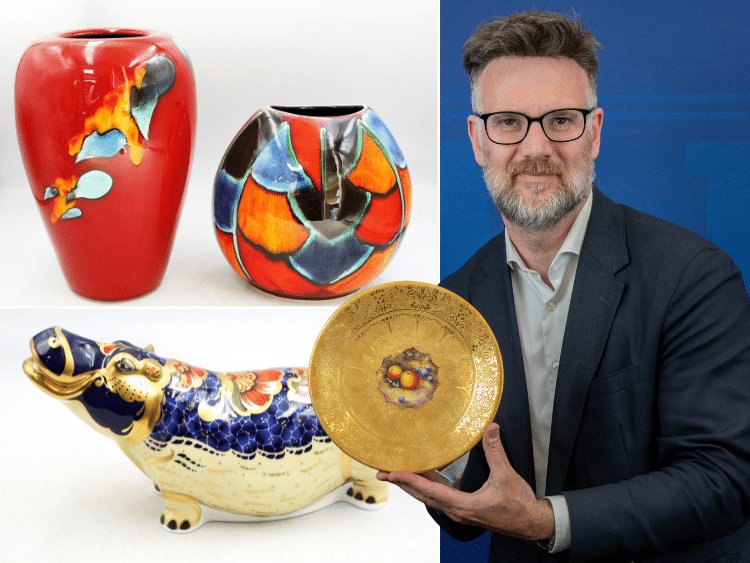
I’m going to issue a little call to arms: what pots are knocking around in your cupboards, attics, lofts and spare rooms?
Have a rummage. Open the china cabinet. Take a look at that vase you’ve had for years. You never know what might turn up – and it could be time to give that old pot a little more thought.
We’re very lucky at Hansons to be based in Derbyshire, right on the doorstep of the Potteries and close to Derby, the home of Royal Crown Derby. Ceramics are something we really thrive on selling, whether it’s Royal Crown Derby, Imari, Moorcroft, Royal Doulton, Beswick or Royal Worcester.
But here’s the funny thing: we’re actually rather quiet for ceramics at the moment.
And I don’t believe that means there aren’t any good pieces out there. I think they’re simply hiding.
Perhaps they’re tucked away at the back of a cupboard, sitting in an attic under a blanket or gathering dust in a spare room. Maybe they’ve been passed down through the family and nobody has stopped to ask what they actually are.
We’ve recently sold some fantastic, great big pieces of Royal Crown Derby Imari, and seeing them go through the saleroom got me thinking: what else is sitting in people’s homes?
There are some enormous pieces of Crown Derby 1128 and Imari vases out there, and I’d love to find more of them.
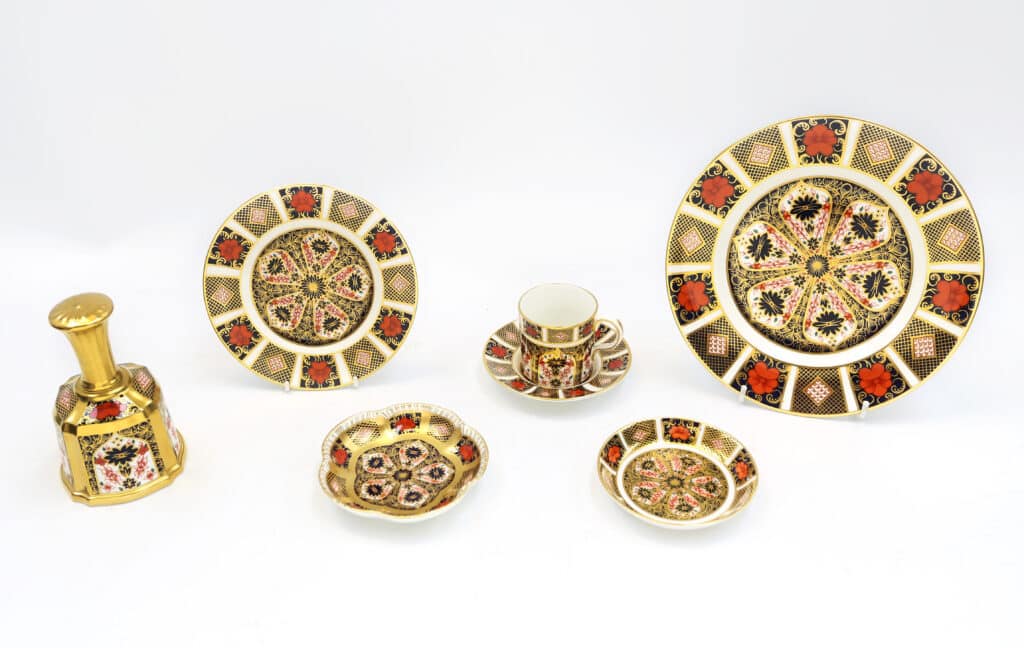
Royal Crown Derby is, to my mind, the gold standard of the ceramics world. It has a remarkable following among collectors, not just here in Britain but around the globe. We see buyers from Italy, America and much further afield competing for the right pieces.
That tells you something about the strength of the market.
If you have Royal Crown Derby tucked away, have a look at the patterns. Numbers such as 1128 and 2451 are ones to look out for.
The story behind the Imari decoration is fascinating, too. The style was inspired by Japan and the port of Imari, from where beautifully decorated porcelain was exported to Europe. The rich reds, deep blues and generous gilding became a defining feature of Crown Derby.
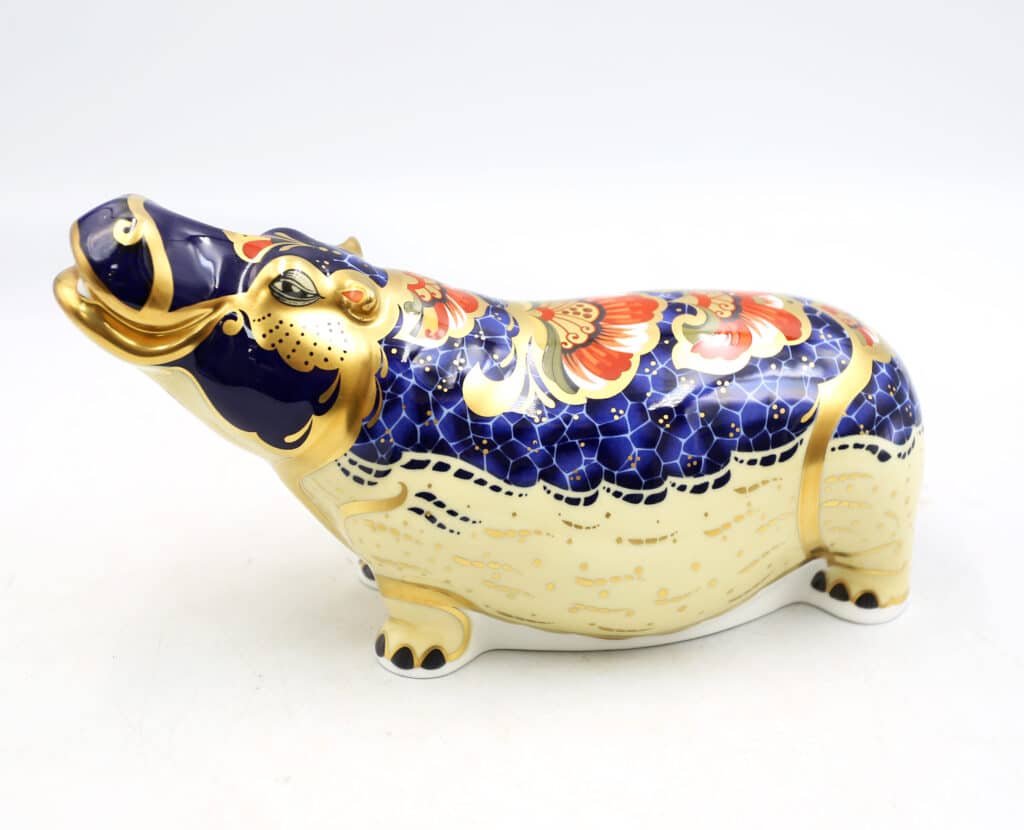
The Imari palette was introduced at the factory by Dewsbury around 1820, during the post-Regency period, and it went on to become a staple of the Crown Derby range. It appeared on plates and tableware, but also on some of those wonderful Crown Derby paperweights which have become hugely collectible in their own right.
And this is what I love about ceramics. You don’t need to be a lifelong collector to own something interesting.
It might be a vase your grandmother kept on the mantelpiece. Perhaps there’s a dinner service that has been sitting untouched in a cupboard for 40 years. Maybe you bought something at a jumble sale simply because you liked the look of it and have never really thought about what it might be.
I’ve seen it time and again: objects can sit quietly in homes for decades before somebody finally asks, “I wonder what this is worth?”
That’s where we come in.
At Hansons, we want people to bring their pots to us. Come and meet Katy Beardmore, our ceramics specialist, and let us take a look. It doesn’t matter whether you have one piece, a few family treasures or an entire collection.
And please don’t worry if something is dusty, slightly battered or you have absolutely no idea what it is. That’s half the fun. Sometimes the most interesting discoveries are the ones that have been overlooked.
We’re based so close to Staffordshire, the home of the Potteries, and we’re fortunate to have enormous experience handling ceramics. Royal Crown Derby and Beswick animals, Moorcroft, Doulton figures, Royal Worcester – they’re all very much part of our world.
I often describe Hansons as the royal household of salesrooms, and ceramics are very much part of that household.
So I’m making a genuine appeal: have a look around your home.
What pots are knocking around?