





As a lifelong Derby County supporter, I have accumulated plenty of memories of the Rams over the years. Some are glorious, some are best forgotten, but all are part of the rollercoaster that comes with supporting our club.
Every so often, though, something comes along that connects you with Derby County’s past in a rather different way. And recently, a rare enamel badge dating from 1924-26 did just that.
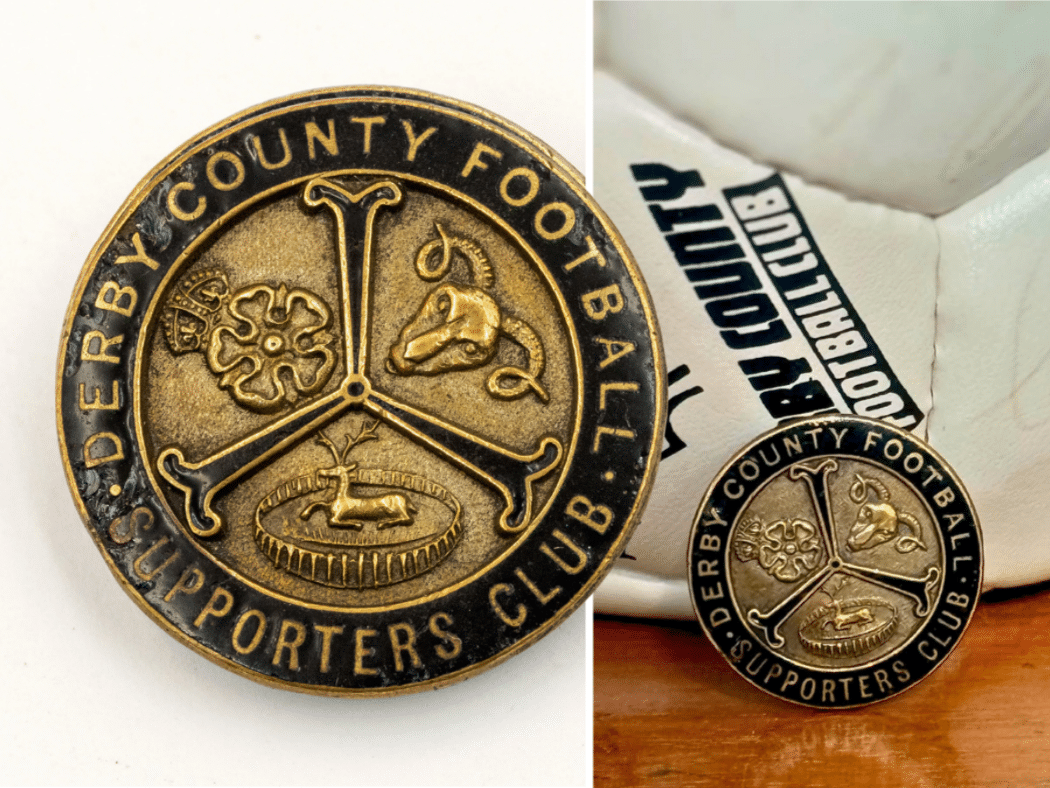
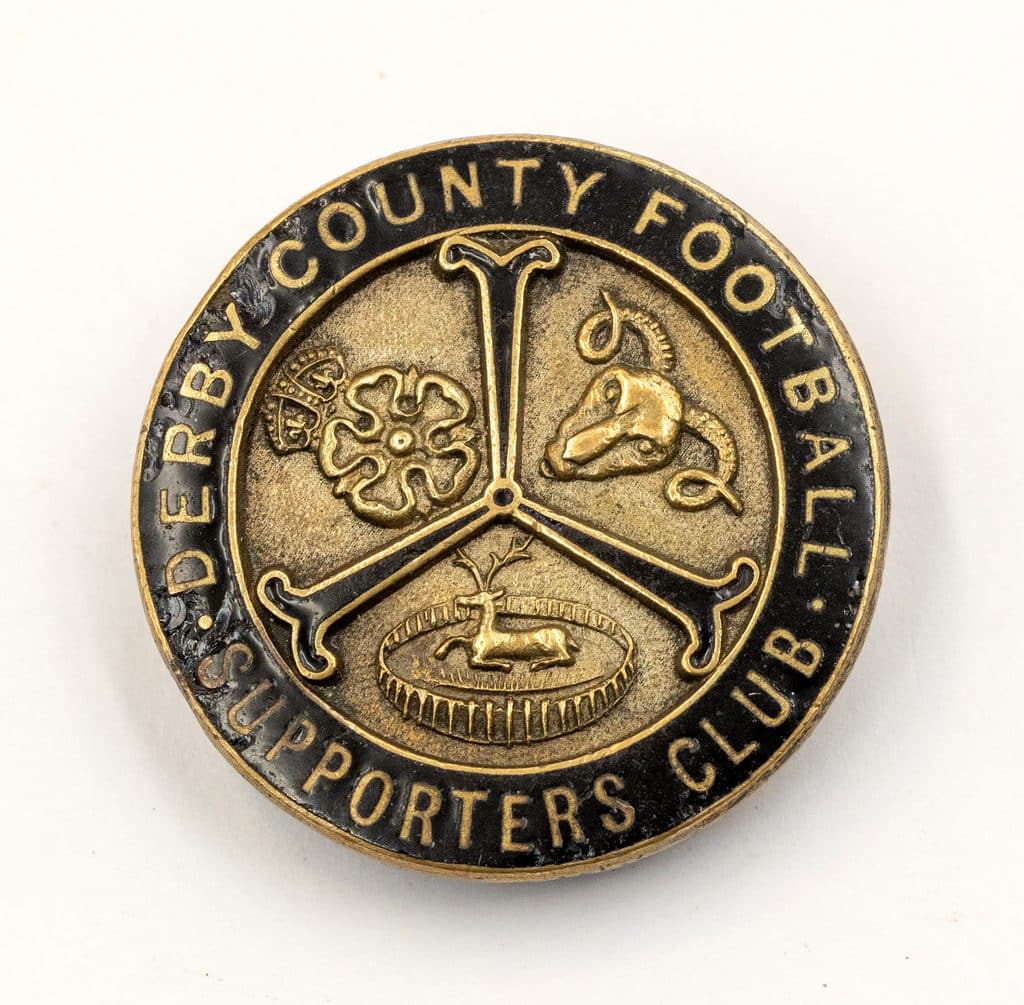
At first glance, it might not look like much. Measuring just 3cm in diameter, it is a Derby County Supporters’ badge in gold and black lettering. But look a little closer and there is a remarkable amount of local football history packed into it.
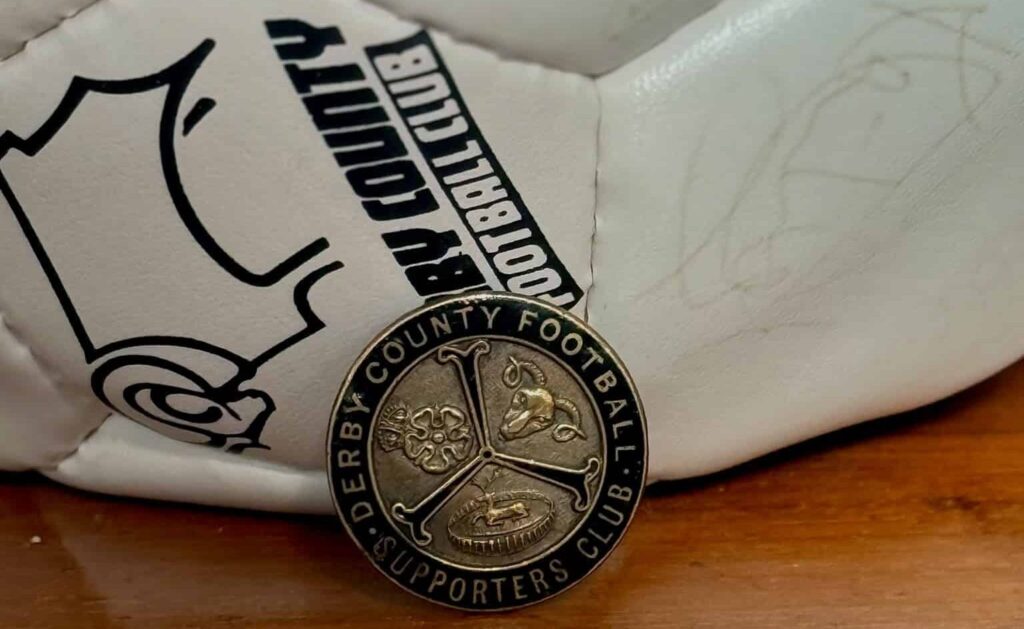
The design is split into three sections. One features the Derbyshire county badge, with its rose and crown. Another depicts the buck in the park associated with the Borough of Derby. The third carries a ram’s head, viewed face-on.
In other words, this little badge brings together Derbyshire, the borough and the football club in one design. It is a snapshot of local pride from almost a century ago, when supporters were finding ways to show their allegiance to the Rams.
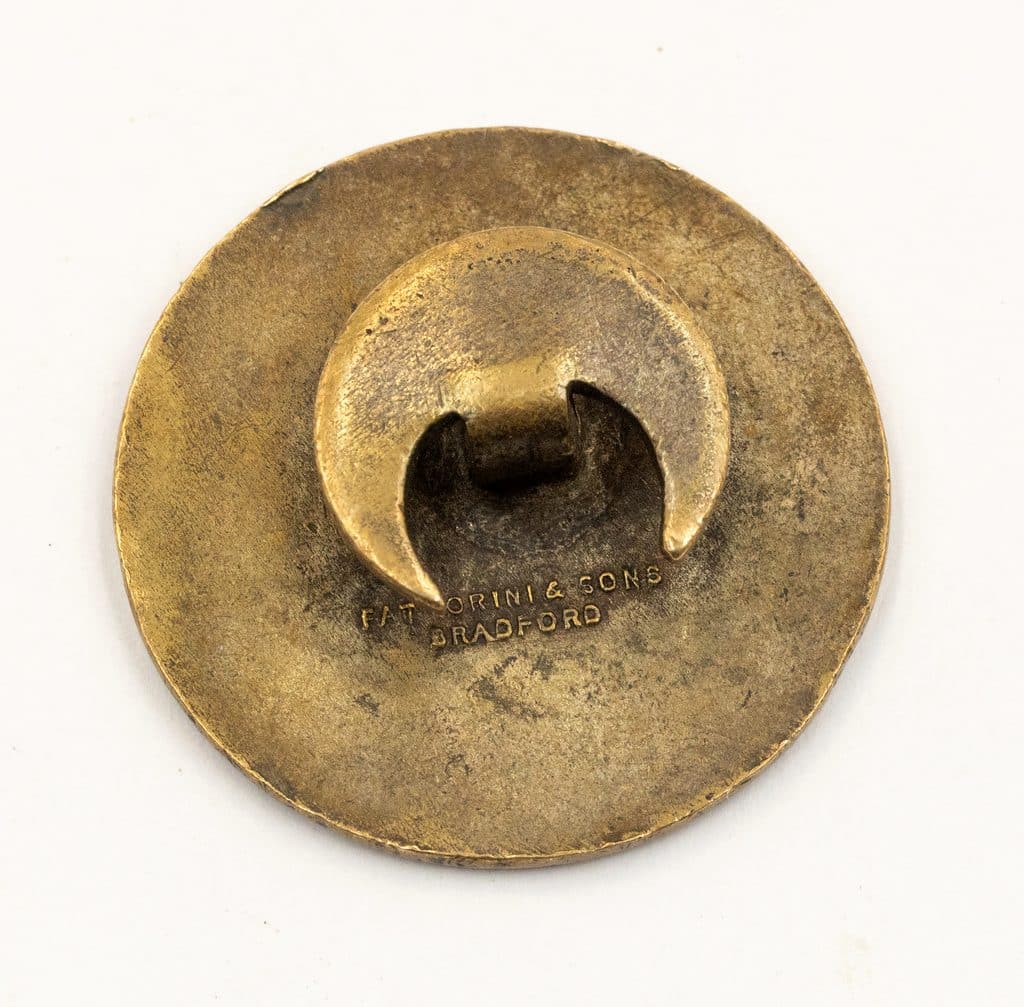
Turn it over and there is another clue to its story. The reverse is inscribed “Fattorini and Sons Bradford”, the name of the maker.
But this badge has a particularly interesting place in Derby County’s history. Our sporting specialist, Andy Ellis, explained that the club did not originally have a badge on its shirts. It was the Supporters’ Club that paid for the shirts to carry a badge, while Fattorini produced the matching lapel badge for fans to wear.
This arrangement lasted for just two years, from 1924 to 1926, before Derby reverted to plain white shirts. The club did not have another shirt badge until after the 1946 FA Cup Final, when the county and borough elements were removed from the design.
That gives this small object an extra layer of significance. It is not simply a badge for supporters; it is connected to a brief and distinctive chapter in the club’s history.
Andy knows his sporting memorabilia and has followed this particular badge for more than 20 years, although until now he had only ever seen photographs of one.
He said: “I have been aware of this badge for over 20 years and have only ever seen photos, but never seen one in person. They are extremely rare and to find one in this condition is amazing.”
That really caught my attention. When someone with Andy’s knowledge has spent two decades knowing about an object without ever seeing one in the flesh, you begin to appreciate just how special this discovery is.
As an auctioneer, I spend my working life handling objects that can appear ordinary until you start asking questions. Who owned them? Where have they been? What did they mean to the person who treasured them?
With this badge, we can imagine a Derby supporter proudly wearing it on their lapel in the 1920s, perhaps on the way to a match or while meeting fellow fans to discuss the fortunes of the team. We cannot know its original owner’s story, but the badge has survived in remarkable condition and still has the power to connect us with that time.
Football has changed enormously since the 1920s. The game is bigger, faster and more commercial than ever, and supporters can follow their team from almost anywhere in the world. Yet the fundamental attachment remains the same. We wear the colours, share the highs and lows, and pass our stories on to our children and grandchildren.
Supporting Derby has never been simply about the 90 minutes on the pitch. It is about the conversations before kick-off, the familiar faces in the stands and the memories made along the way. It is about the people who followed the Rams decades ago and those who now take their own children to Pride Park, hoping they will develop the same affection for the club.
That continuity is part of what makes an object like this badge so appealing. The supporters who wore it in the 1920s might have recognised the same pride in today’s fans, even if almost everything else about the matchday experience had changed.
I have always felt that sporting memorabilia can be so special because it is not simply about the object itself or what it might fetch at auction. It is about the memories and emotions attached to it. A battered programme, an old photograph, a signed ball or a small badge can take someone straight back to a particular match, a favourite player or a treasured day spent with family.
It is also a reminder that local history does not always need to be grand or imposing. Sometimes it is contained in something small enough to fit in the palm of your hand.
The badge will feature in our sporting memorabilia auction on 12th November, alongside a signed football. I am looking forward to seeing the interest it attracts and, hopefully, finding it a new home with someone who appreciates its place in Derby County history.
And if you have old sporting items tucked away at home, it may be worth taking another look. That old badge, programme or photograph you have kept for years could have a story waiting to be uncovered.
As for me, I will always have a soft spot for anything that celebrates the Rams. A badge that brings together Derbyshire, the borough and our football club and offers a glimpse into a short-lived chapter of the club’s history – is a particularly lovely discovery.
Come on you Rams!
Auction Details
Auction: Hansons Sporting Auction
Auction date: 12th November 2026 | 10am
Location: Hansons Derbyshire Saleroom
Auction contact: [email protected]
Catalogue/bidding: www.hansonslive.co.uk | www.the-saleroom.com