








A worldwide collection of tribal art from countries as far afield as Borneo, Cameroon, Australia and Papua New Guinea, is set to make more than £15,000 at auction next week <feb 16>.
Curated by a retired antiques dealer from Disley in Cheshire, many of the finest pieces come from North American native tribes, mostly from the Great Plains, including the Sioux.
Adam Schoon, a consultant for Hansons Auctioneers, where the collection goes on sale at its Etwall saleroom on February 16, said: “This is a superb collection formed with expertise and experience combined. The tribal art market is currently strong but only for genuine antique pieces. Known in the trade as the “Ket” collection, it covers a wide range of world cultures and will attract buyers from a similarly wide global range.”
The owner, who doesn’t want to be named, started collecting after he retired eight years ago.
He said: “I have been diagnosed with terminal cancer and have decided to sell the collection. If it was up to me, I would keep it to my dying day but, sadly I know when that will be and it makes sense to sell it before I go.”
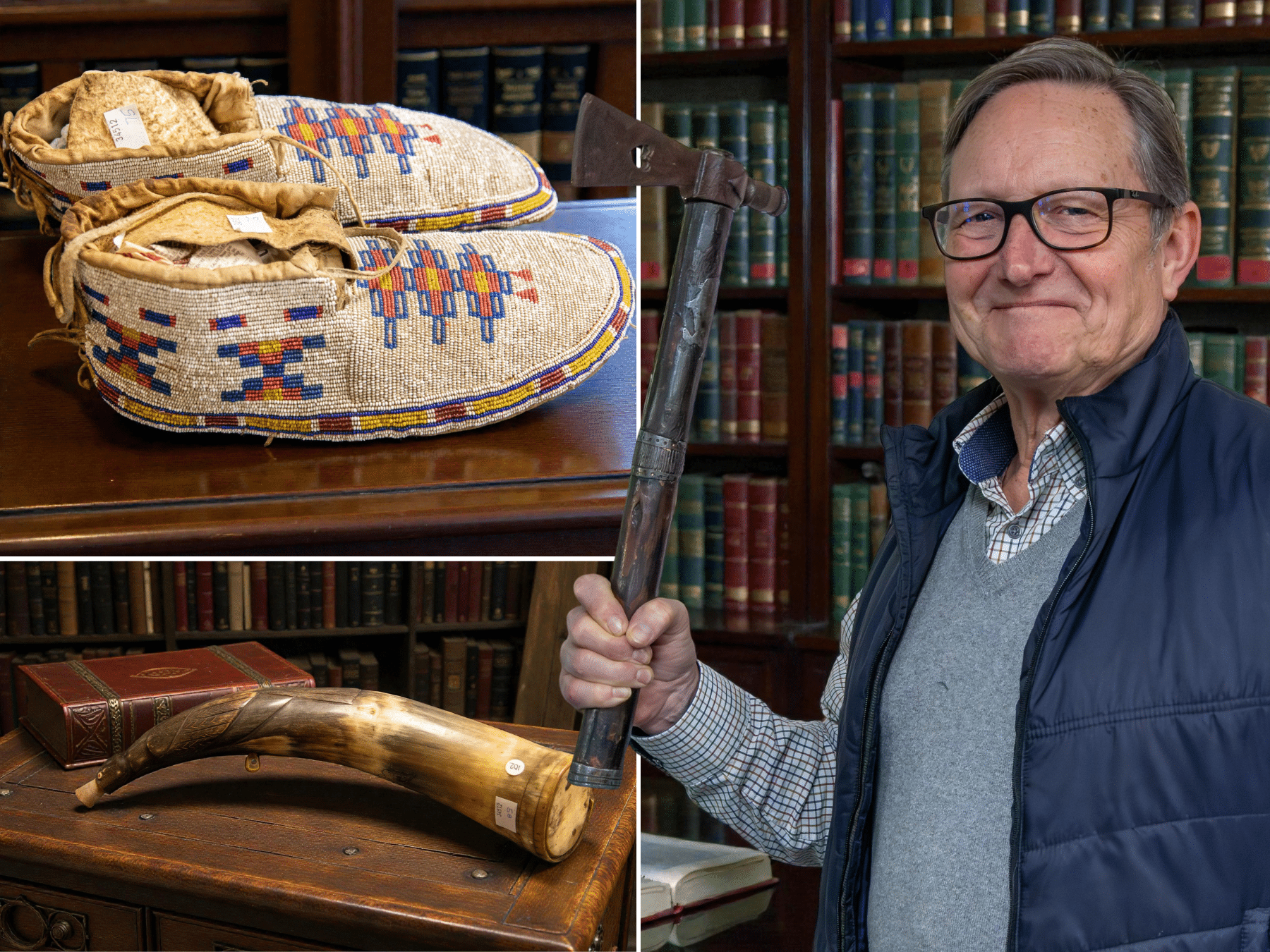
One of the highlights is a native American pipe tomahawk, pierced with a heart motif on its iron blade and decorated with two bison on its wooden shaft, which is expected to make £1,200-£1,500.
Pipe tomahawks were designed to be multi-purpose, including a bowl for tobacco opposite the blade with the shaft used as the pipe stem.

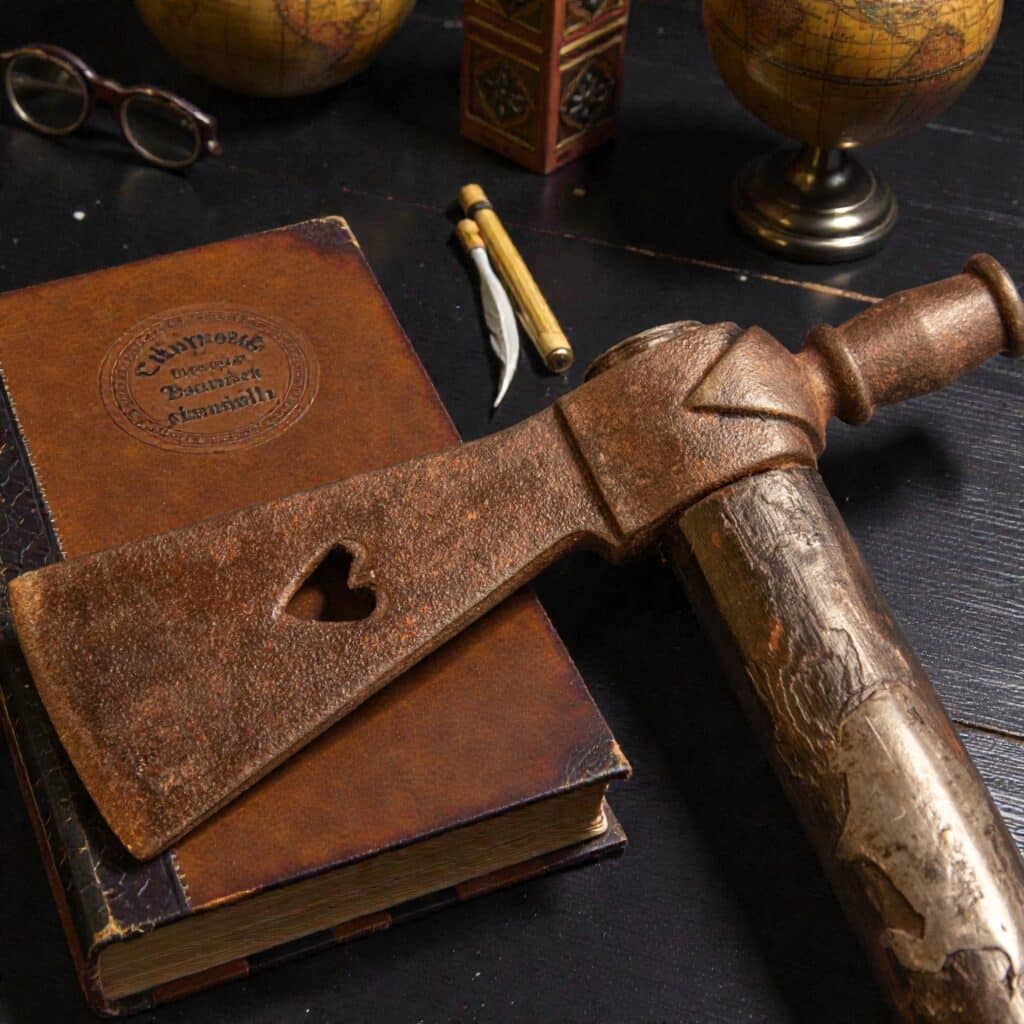
The blades were European in origin, with thousands made in Sheffield, and taken to America by colonialists or early traders as gifts, or to ease negotiations – with the heart motif intended as a sign of peace.
Charles Hanson said: “Sharing smoke meant truth was being spoken and agreements were spiritually binding, so pipe tomahawks played a central part in negotiations – hence our term today ‘bury the hatchet’.”
“Once acquired, the new owners would fit or replace the wooden shaft and add their own symbolic imagery, such as the bison we see here.”
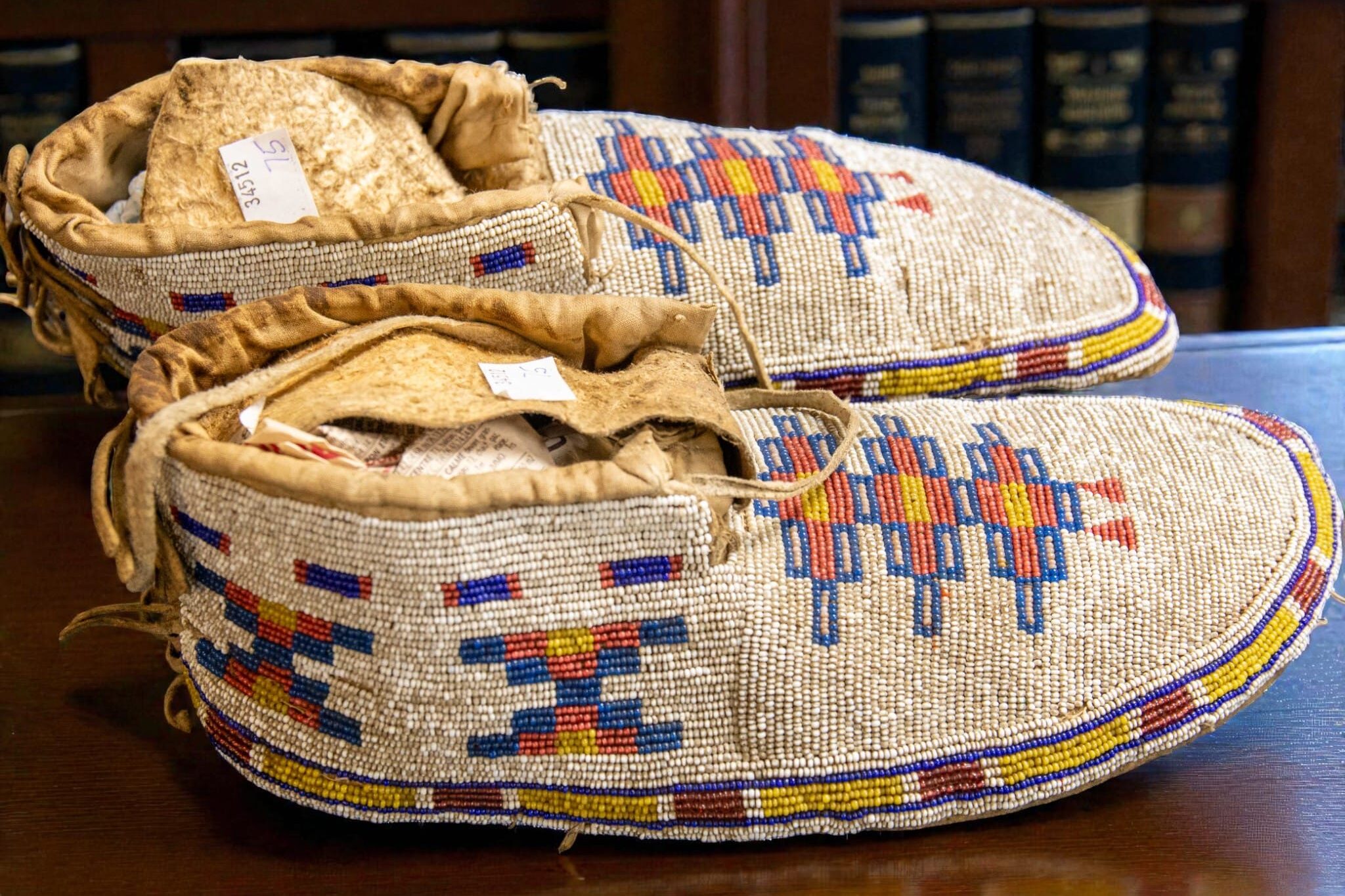
A pair of Native American moccasins, c. 1850, made of buckskin and rawhide is another highlight, expected to make £2,000-£3,000.
Charles Hanson said: “The quality of these fully-beaded Plains-style moccasins suggest they would have been used for a ceremonial occasion. They are made of traded glass seed beads,and the colours used – white, red, blue and yellow are characteristic of Plains tribes such asthe Sioux.”
Other North American highlights include a beaded leather belt, from the Crow tribe, decorated with three beaded X panels, which is expected to make £1,200-£1,500.
A pair of native North American 19th-century beadwork gauntlets, dubbed by Schoon as “a particular rarity”, has a guide price of £400-£500.
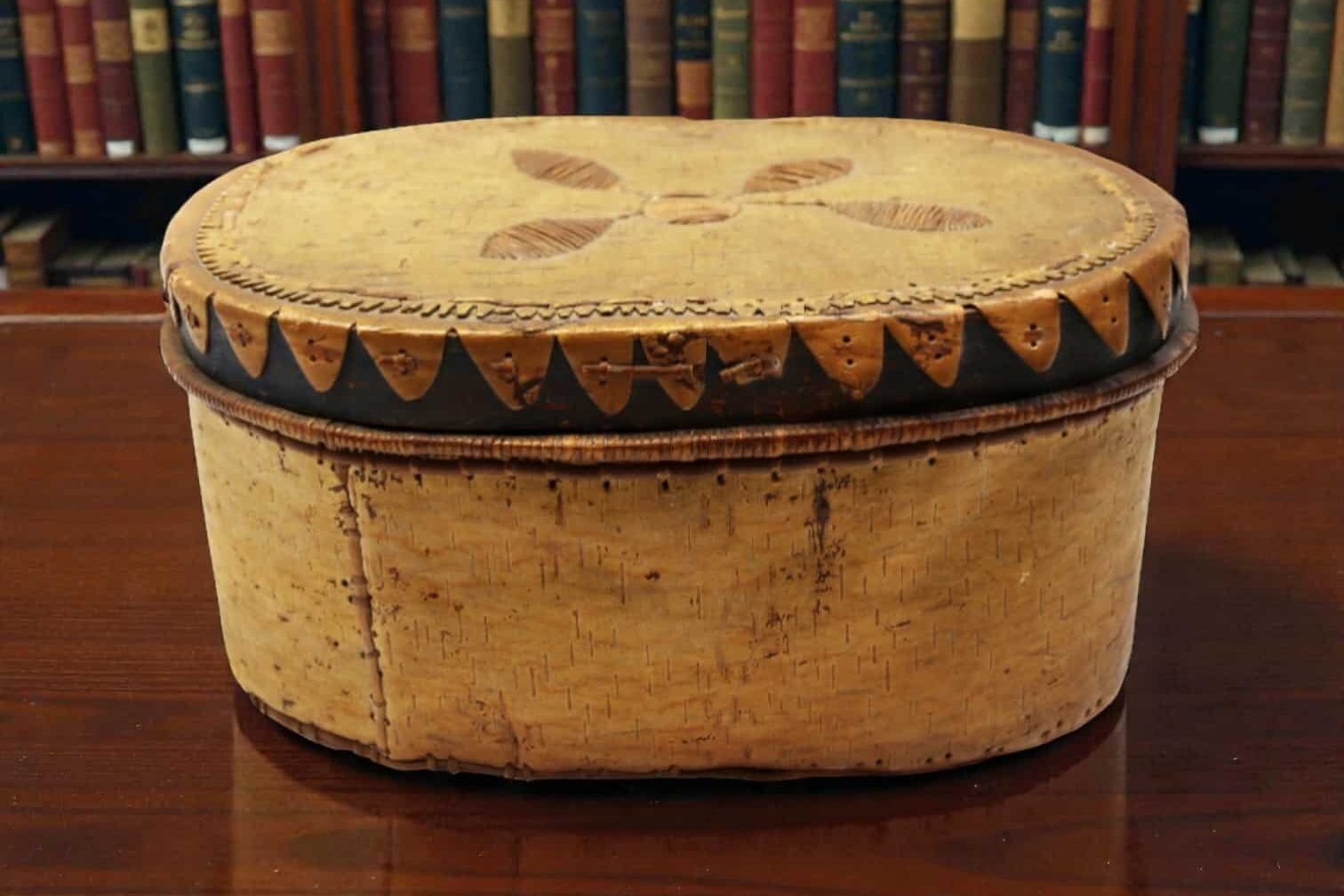
And a North American birchbark box, described by Schoon as “gorgeous for its simplicity – in both decoration and construction”, is expected to make £500-£700.
From the same continent an engraved powder horn, which would have been used byAmerican colonists, hunters, and soldiers during the 18th and early 19th centuries, has an estimate of £80-£100.
Charles Hanson said: “American settlers, who depended on firearms for much of their food and often for their lives, needed a ready source of bullets and gunpowder.
“These powder horns were attached to a hunting bag and engraved with the owner’s name, or date, or sometimes a map.”
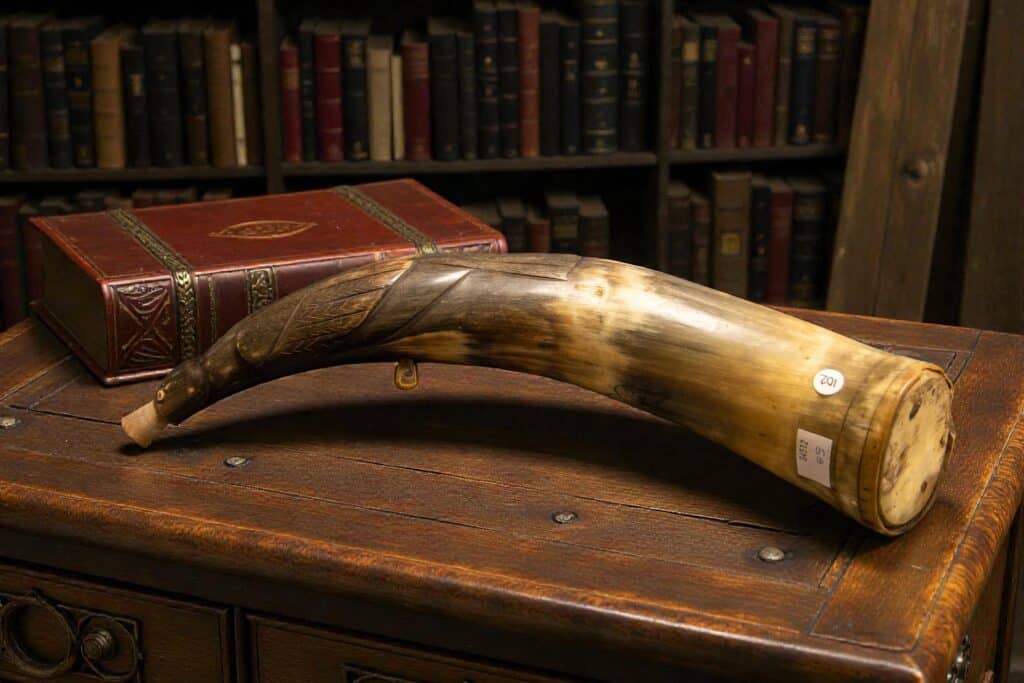
In times of peace both horn and musket usually hung over the kitchen fireplace, as a constant reminder of fighting days, he added.
As well as treasures from North America, the collection also boosts rare and sought-after tribal pieces from around the world, including Africa.
Adam Schoon said: “Colourful and very “art deco abstract” in style, are the large numbers of African beadwork items such as belts, panels and bags – including some fine examples from the Zulu tribe, South Africa, as well as the Masai.”
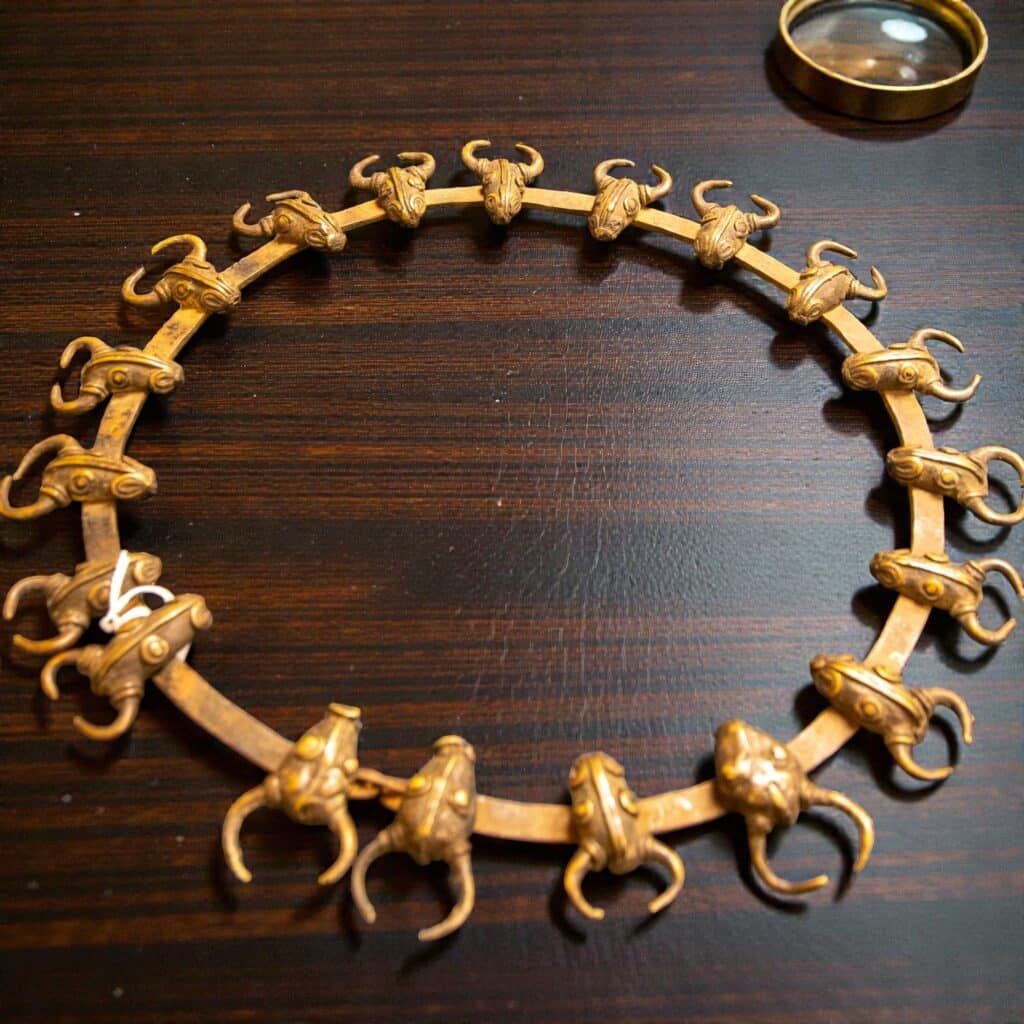
A Cameroon prestige necklace, made of bronze and showing the heads of 19 wildebeest, has an estimate of £250-£350.
Called a mbangha, the torque would have been made by either Bamum or Bamilekekingdoms and worn by royalty (fon) or dignitaries to signify wealth, power and rank.
A Zulu war shield, known as an isihlangu dating from the Anglo Zulu wars and conflicts including Rorke’s Drift has a guide price of £200-£300.
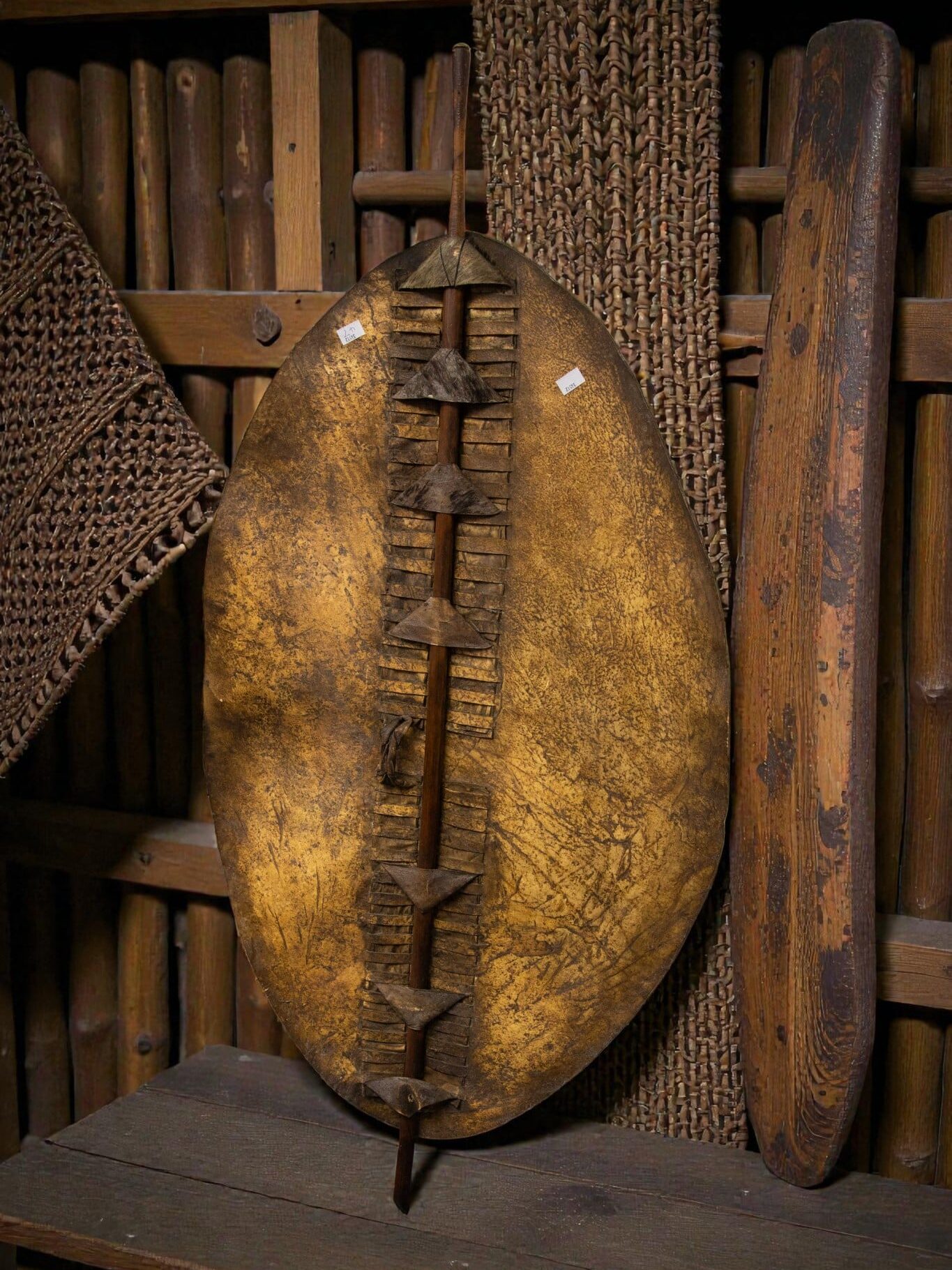
The vendor, who used to run an antiques shop in Levenshulme, said: “Zulu shields differed depending on the regiment the warrior belonged to. They also came in different sizes including full body shields, some 5ft tall, like this one.”
The sale also includes a number of Zulu spears, known as assegais from the same period.
Other highlights include a 19th-century Australian Aboriginal fighting boomerang designed to fell enemies and game.
It is being sold with an Aboriginal throwing club and a rare early light-coloured stone cut boomerang. Together the lot has an estimate of £200-£300.
Charles Hanson said: “Whether you are a seasoned collector of tribal art, or a newbie to this exciting field, this superbly curated collection has something for everyone. It is rare we have a collection of this geographical breadth spanning so many centuries appearing in the saleroom and we are thrilled to see how much it will achieve.”
Auction Details
Auction: Derby February Two-Day Antiques & Collectors Auction
Auction date: 13th – 16th February 2026 | 10am
Location: Hansons’ Derbyshire Saleroom
Auction contact: [email protected]
Catalogue/bidding: www.hansonslive.co.uk | www.the-saleroom.com