




There’s no doubt about it, it’s beginning to feel a lot like Christmas.
Especially with the switch on of the festive lights and the sparkling trail from St Peter’s Cross to Irongate.
When we think of Christmas it’s usually gold that springs to mind. It was, after all, bestowed on baby Jesus by the Three Wise Men, and we love to sing about five gold rings in the carol The Twelve Days of Christmas.
But I’m going to let you know why silver is the precious metal you should really have in mind in the run up to December 25 and beyond.
Especially if, like most of us, you would appreciate a bit more spending money at a very expensive time of year.
Global silver prices are reaching an all-time high, so it’s not surprising we are seeing great results for it in the saleroom.
In fact the value of silver has soared more than 78 percent this year even surpassing an all-time high set four decades ago.
At times when the world is looking unstable, investors look for safe places to put their money and precious metals aways come out on top.
Which is great news if you have any old bits tucked away.
In the auction world we divide silverware into three categories: flatware (made up of utensils like forks and spoons); hollowware – functional domestic items like trays, candlesticks or teapots, and smallwork – items which can fit in a pocket, like a snuffbox or nutmeg grater.
A bit of science. Sterling silver is the standard for high-quality silver objects.
It is a durable alloy made up of 92.5 percent pure silver and 7.5 percent other metals, typically copper.
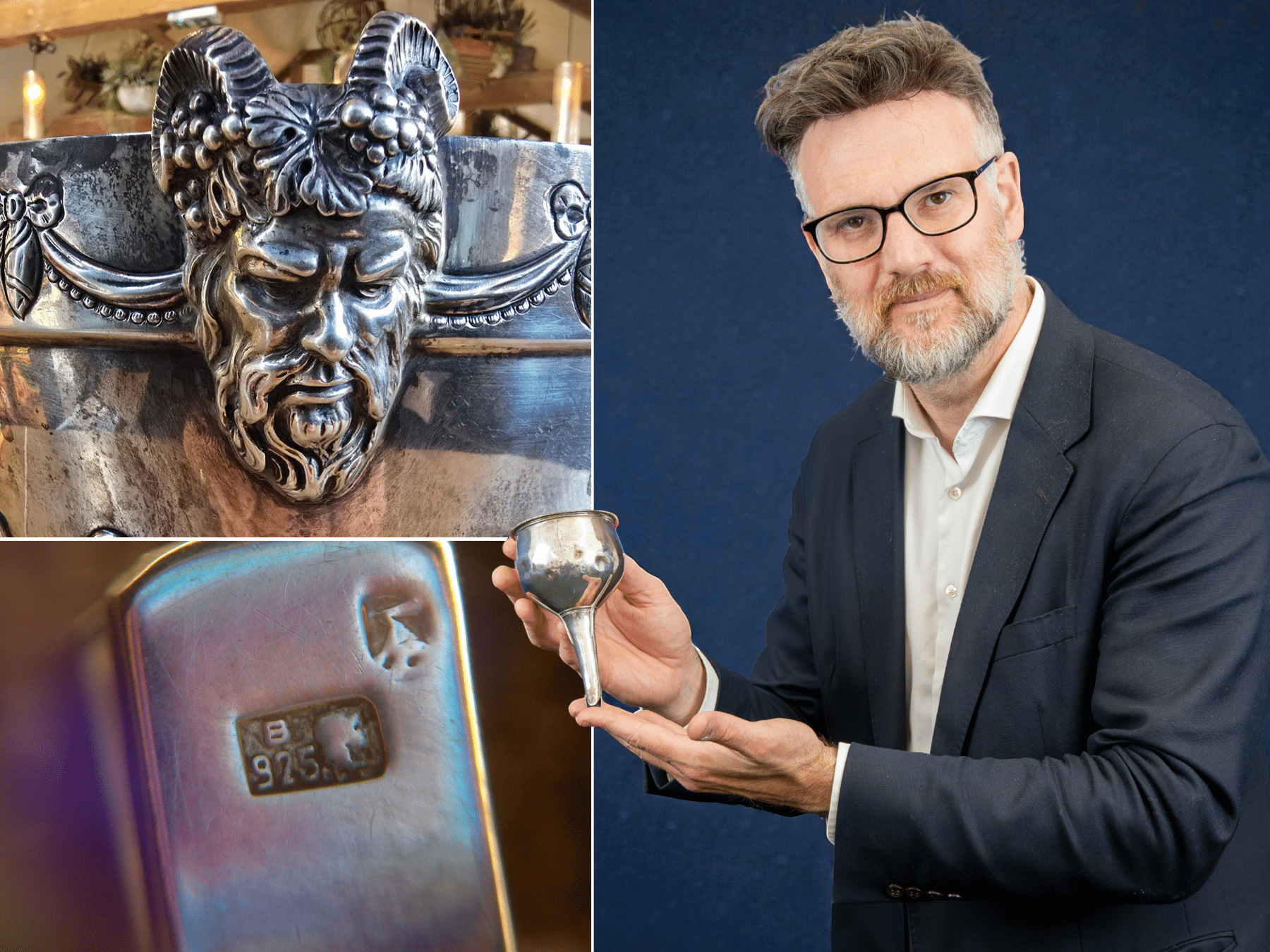
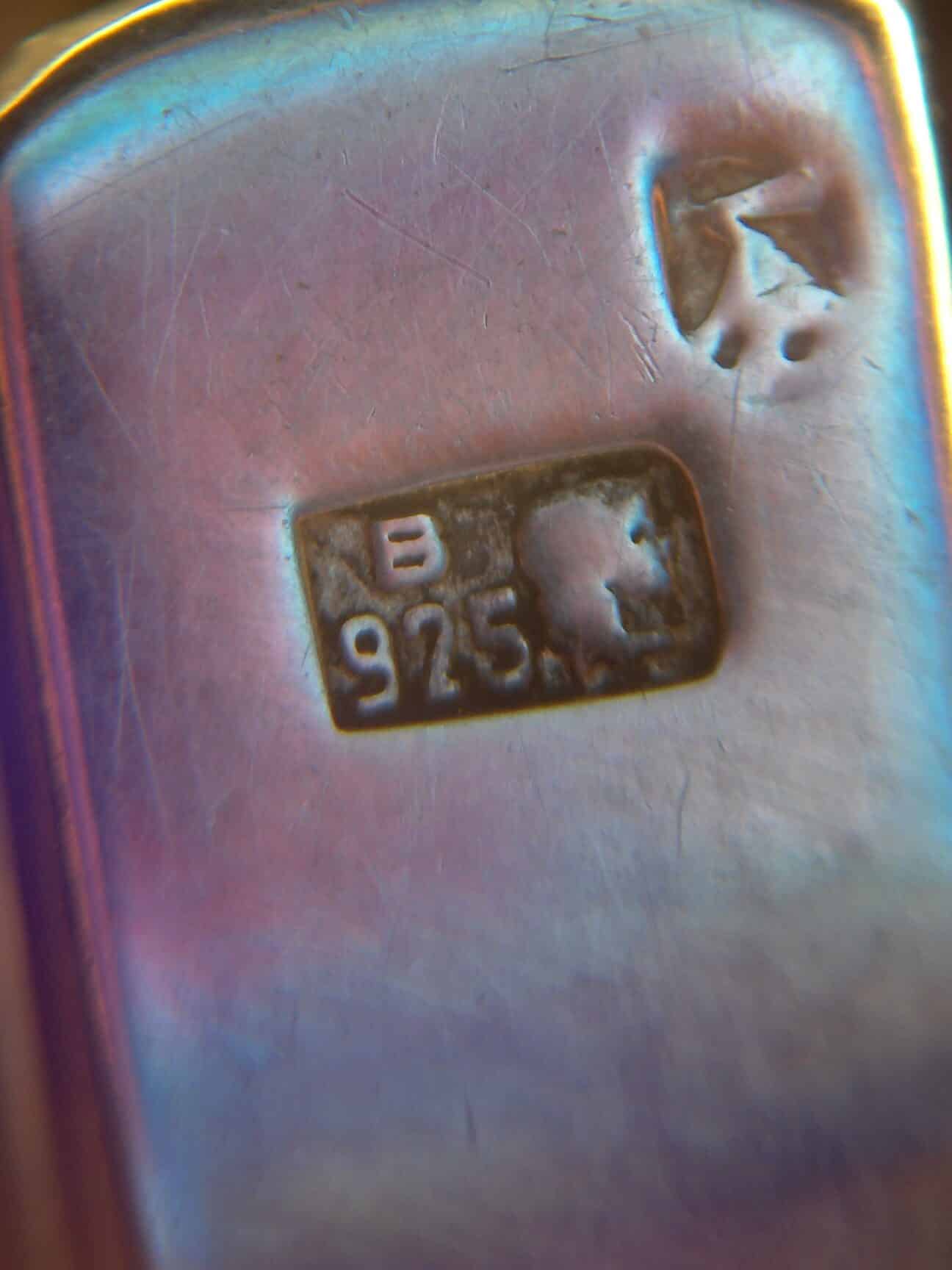
So look for the hallmark ‘925’, or the sterling hallmark of a ‘lion passant’ a striding lion with raised paw.
But while silver has an inherent value as a metal, it can achieve significantly more than at auction boosted by factors such as age, workmanship, condition, maker and patina.
Take this magnificent sterling silver punch bowl weighing 2.3kg which sold for a magnificent £2,500 at our Newark saleroom last month.

Featuring four magnificent Bacchus heads and mounted on four claw feet, it is nothing short of breathtaking. Made by the renowned London silversmiths William Gibson and John Lawrence Langman, it was sure to sell for more than its metal worth alone.
And it’s not just silver reaching giddy heights, the price of gold also hit a record high of more than £2,985 an ounce – the highest price since the 1970s.
When people bring in what they think are worthless trinkets or bits of costume jewellery their jaws drop when I tell them what they are really worth. It’s something I love to see.
I always say every house has one great valuable squirreled away and nothing gives me more pleasure than unearthing them.
As the dust settles on our last sale of 2025, we inevitably start to focus on what 2026 might bring.
If I had a pound for every time someone asks me what the next big thing in antiques will be, I’d be a very rich man.
Like all trends, various antiques come in and out of fashion.
When it comes to interiors, whatever our parents decorated their homes with we tend to go for the opposite – chintz to minimalism and then back again.
Which might explain today’s return of skip-a-generation ‘granny chic’.
Forget all the Scandinavian modernism that used to be in vogue, Gen Z loves nothing more than cosy over-furnished rooms with patterned wallpaper and floral sofas.
The reason, as you might expect, is that bright colours look good on social media.
It might also explain why patterned china is back in vogue and be the reason why our recent ceramics sale was the best we’d had in years.
So, along with digging out tucked away pieces of silver in 2026, make sure you unearth your old plates and dinner services, especially Royal Crown Derby’s Imari pattern, because it is going to stay big in 2026.