









As a boy I have very vivid memories of my grandmother not teaching me to how to suck eggs but how to blow them.
Let me explain. Every Easter she would get a couple of hen’s eggs and carefully pierce the top and bottom with a needle before blowing the contents into a cup.
She would carefully wrap the shells in onion skins, tie them with string, and boil them in a pan for about five minutes.
When we unwrapped them, the eggshell was stained with the most beautiful mottled red dye.
I later learn this tradition dates to the 17th century with the red colour said to represent the blood of Christ.
Simple pleasures, but a wonderful memory. You should give it a go with your children or grandchildren.
Of course, this was long before the days when Easter was overtaken by the juggernaut of commercialism. I read recently of a Doritos-inspired hot cross bun.
I also remember rolling chocolate eggs in the garden (also an ancient tradition said to represent rolling the stone away from Jesus’s tomb).
Eggs have long symbolised fertility, rebirth and renewal in many ancient cultures.
It got me thinking about how important eggs have been to designers over the years and how prized they can be to collectors.
The most famous, by a country mile, were those commissioned by the Russian imperial family, particularly tsars Alexander III and Nicholas II.
Some 50 imperial eggs were made by Fabergé between 1885 and 1917 and rather thrillingly the whereabouts of five of them remain unknown.
Each was a masterpiece of craftsmanship, made from gold, enamel and precious stones, and contained a hidden “surprise” inside – such as a miniature portrait, a mechanical bird, or tiny carriage.
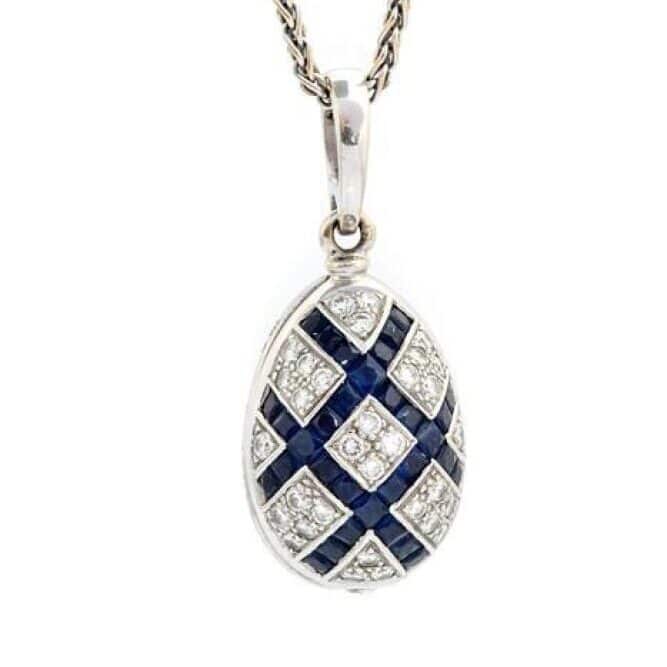
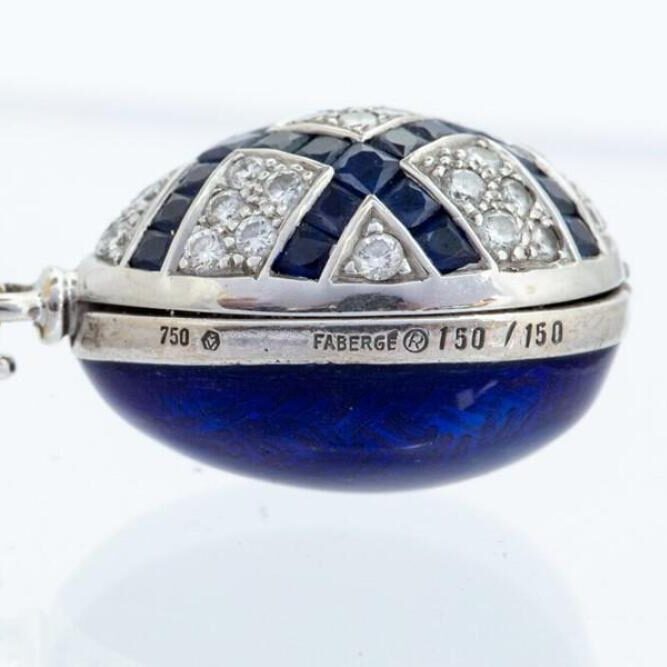
From a collector’s perspective, Fabergé eggs represent the pinnacle of rarity and artistry with the majority housed in museums or private collections.
Today, they command extraordinary prices at auction and are among the most coveted decorative objects in the world.
Last year a record auction price for a Fabergé egg was set at Christie’s when one, including 4,500 diamonds, sold for £22.9m.
Of course, none of us will ever own a Fabergé egg.
But there is a more affordable Easter collectable – also in the shape of an egg and also housing a surprise – that is fast becoming popular among collectors.
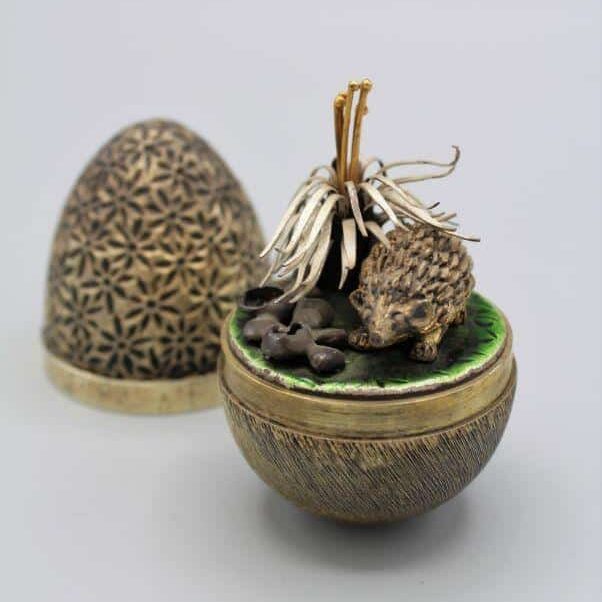
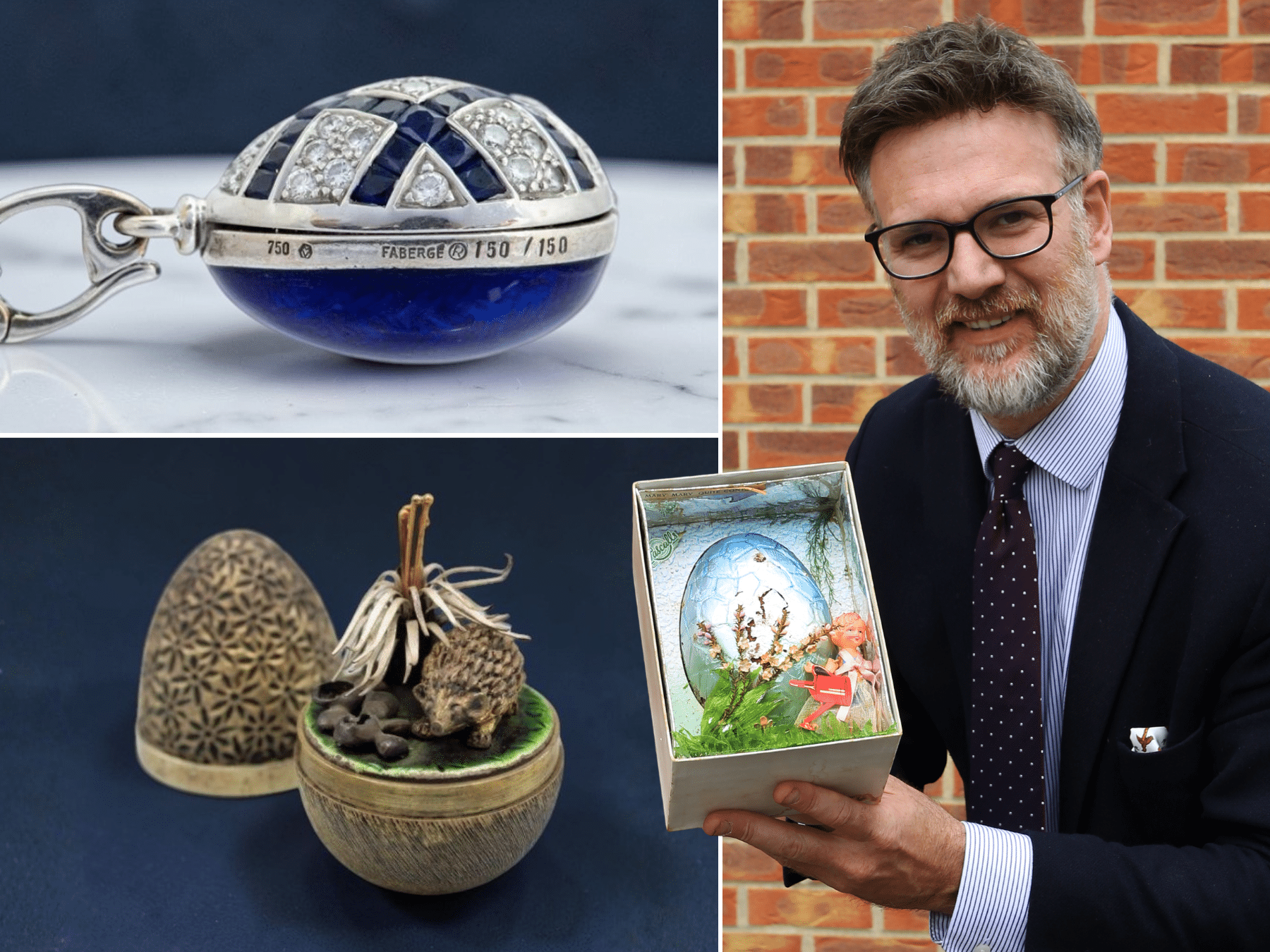
In the 20th century, the Australian-born gold and silversmith Stuart Devlin became known for reinterpreting Fabergé’s famous creations.
His limited-edition ‘surprise’ eggs, made in the ‘70s and ‘80s, open to reveal a hidden trinket in the form of a gem crystal, figural scene, or flower.
Each embraces the humour of their famous maker – who incidentally was the mentor of our own jewellery expert, herself a silver and goldsmith – Helen Smith.
He called them: “Objects which have no function whatsoever, except to delight, to surprise, to intrigue – made entirely for enjoyment.”
Talking of enjoyment brings us bang up to date with one of the more recent iterations of the Easter egg – its chocolate version.
The 19th century saw the rise of chocolate Easter eggs, particularly in countries like France and Germany, partly due to advances in chocolate-making techniques.
Companies such as Cadbury played a major role in popularising them in the Victorian era.
From a collecting standpoint, vintage Easter eggs, especially those from the early 20th century, are highly collectable.
We have a pair of rare, vintage Pascall’s chocolate Easter eggs from the 1930s, in this month’s antiques and collectors’ sale.
One, dating to 1939, is labelled the “Little Miss Muffet” edition, with both still including a foiled-wrapped chocolate egg and tiny doll.
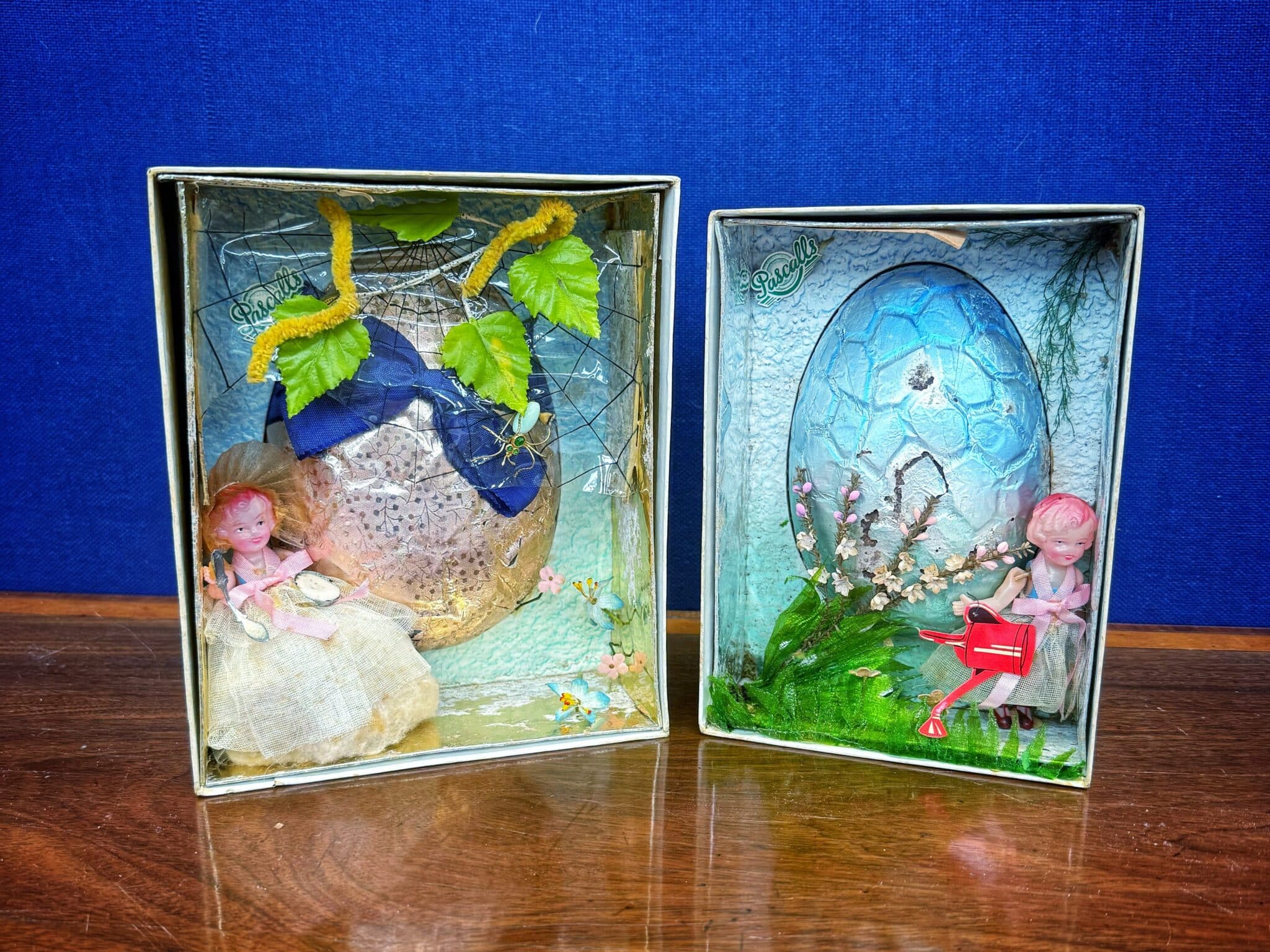
The eggs were manufactured by James Pascall Ltd, founded in 1866 by former Cadbury employee James Pascall.
It relocated to larger premises in Blackfriars before moving to Mitcham in Surrey in 1897. As popularity for its sweet treats grew, the factory was visited by the queen and Princess Mary in 1921, with the Prince of Wales awarding it a royal warrant a year later.
So if you are chomping on a chocolate egg as you read this, you are following in a long and noble tradition.
And if you have a Devlin ‘surprise’ egg, or piece of Fabergé hidden away, why don’t you bring it to one of our free valuations, with silver sessions every Tuesday from 10am-2pm and jewellery assessed every Wednesday from 10am-4pm. You could be sitting on a tasty nestegg.

Auction Details
Auction: Derby April Four-Day Antiques & Collectors Auction: including Silver, Jewellery & Watches
Auction date: 16 -21 April 2026 | 10am
Location: Hansons’ Derbyshire Saleroom
Auction contact: [email protected]
Catalogue/bidding: www.hansonslive.co.uk | www.the-saleroom.com