










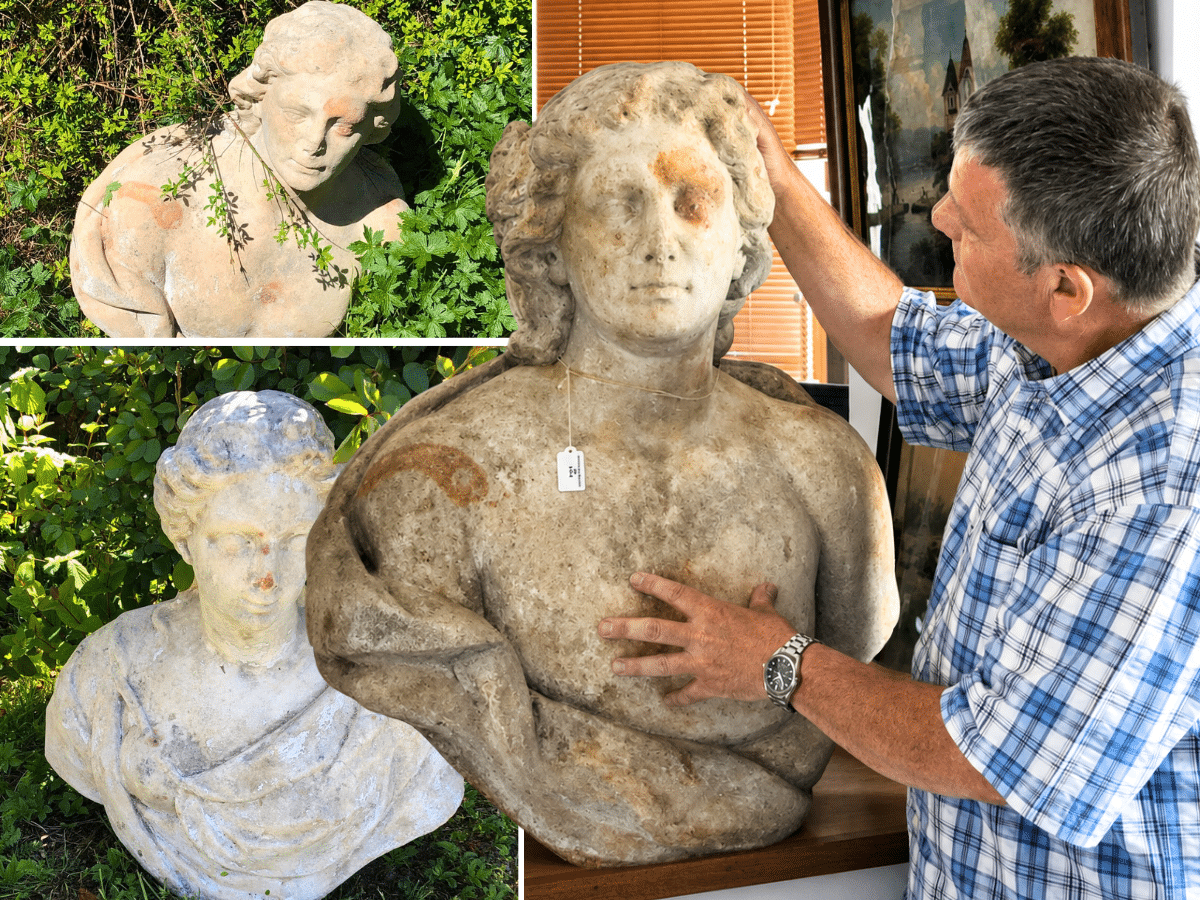
Two weathered garden ornaments found in a Kent garden, and thought to be made of concrete, sold for close to £5,000 after it was discovered they were rare classical Italian marbles.
Hansons Auctioneers’ regional director Justin Matthews stumbled on the pair at a routine house valuation in Boughton Monchelsea.
He said: “The owner thought they were mass produced and made of concrete and was surprised when I told him I thought otherwise.”
On closer inspection the pair, one of Apollo and the other of Diana, turned out to be the work of Florentine craftsmen from the early 18th century.
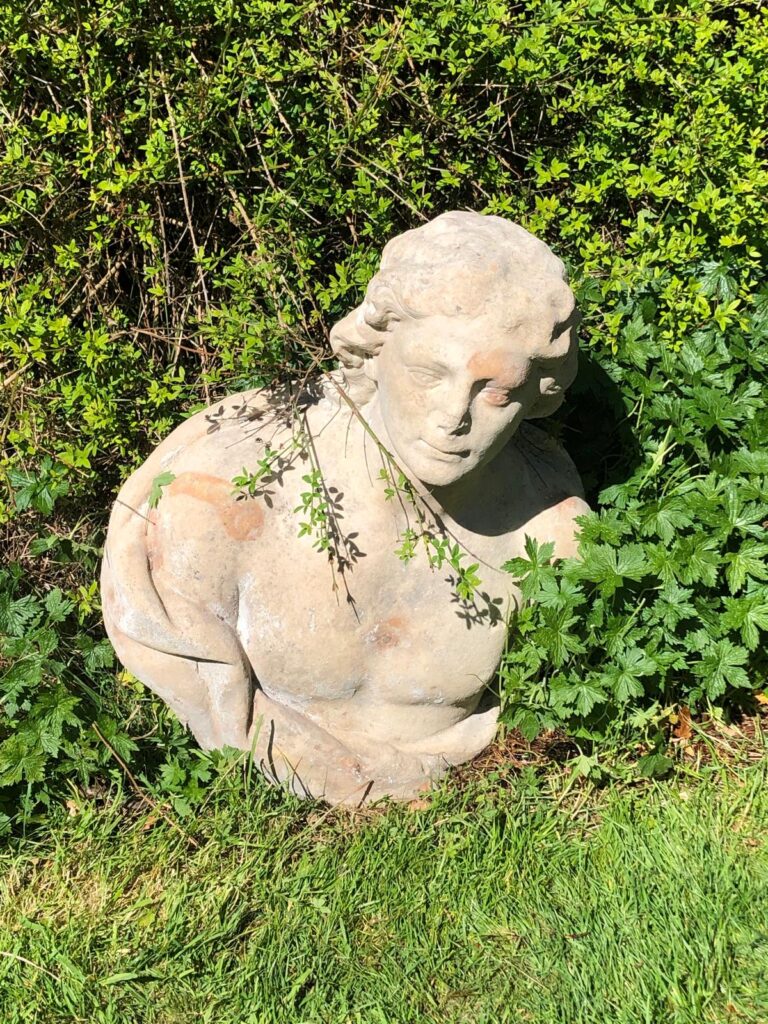
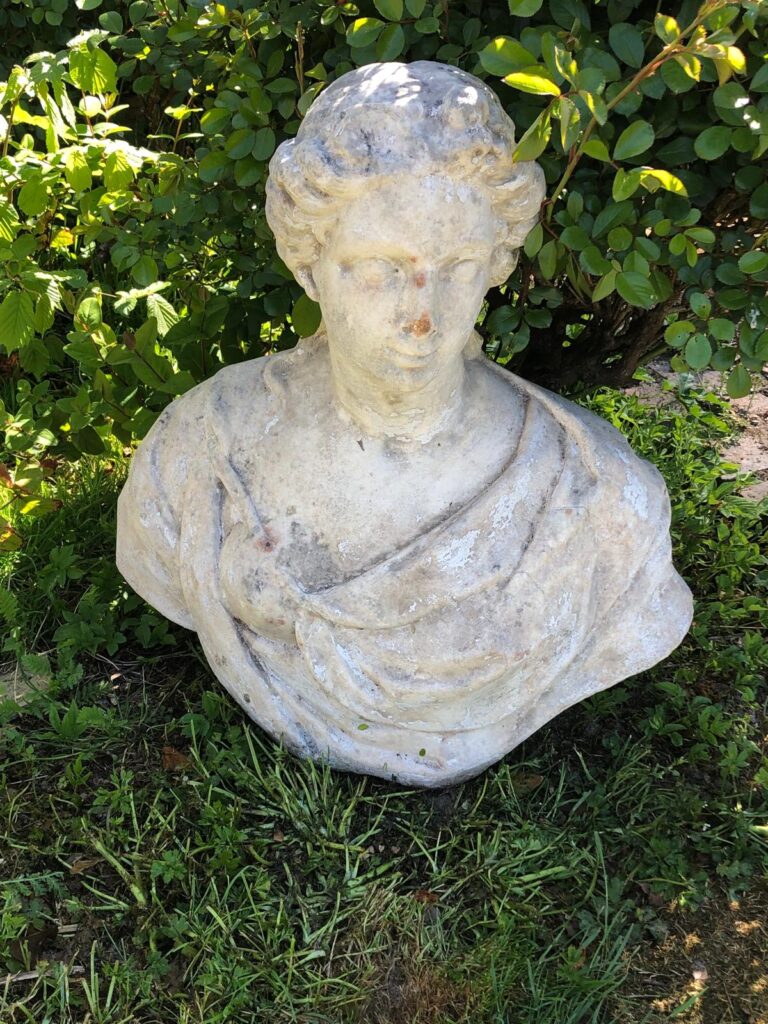
The pair sparked fierce bidding from collectors and architectural salvage specialists before Apollo sold for £2,500 and Diana fetched £2,400, with the hammer falling to a round of applause.
The sculptures, which each had an estimate of £400-£600, dated to the 1720-1730 and likely originated in Italy during the great age of the Grand Tour – the 18th-century tradition which saw wealthy British travellers journey across Europe collecting classical antiquities.
Justin continued: “It’s incredible to think of the journey the pair must have made almost 300 years ago from Italy to the Home Counties.
“Both may once have formed part of a much larger architectural scheme, perhaps decorating a grand staircase, formal garden, orangery or classical façade before eventually making their way to England.”
Their heavily weathered appearance initially led the Kent homeowner to believe they were simple concrete garden ornaments.
But specialists soon identified hand-carved marble beneath centuries of erosion, lichen and surface deposits.
The subjects themselves would have been instantly recognisable to Georgian collectors steeped in the culture of the ancient world.
Apollo, the god of music, poetry and the sun, appears bare-chested and draped in the classical Roman manner, while Diana, goddess of the hunt and moon, is depicted with elegantly flowing robes in the neo-classical style fashionable throughout Europe in the early 18th century.
Justin continued; “The survival of the pair is remarkable. Many comparable pieces imported to Britain during the Georgian era were lost, broken up or dispersed as country house collections were dismantled over the centuries.”