











What a tantalising few months of footie await us starting next month in Dallas with England’s opener against Croatia on June 17.
Will Thomas Tuchel’s 26-man squad achieve what no one else has done in 60 years of trying?
But before that, at the end of the domestic season, like any Rams fan, I am in reflective mood.
How much better might we have fared if we’d had the likes of, say, Steve Bloomer on the team?
For anyone not familiar with the history of Derby County, Steve Bloomer (1874-1938) was one of the greatest footballers of the Victorian and Edwardian eras.
Think of him as the Harry Kane of his day.
With his powerful, low-driven shots – known as “daisy cutters” – he scored an astonishing 332 league goals for Derby and remains one of English football’s greatest forwards.
What made him special was not just volume of goals, but his timing: he seemed to know exactly where the ball would land before anyone else.
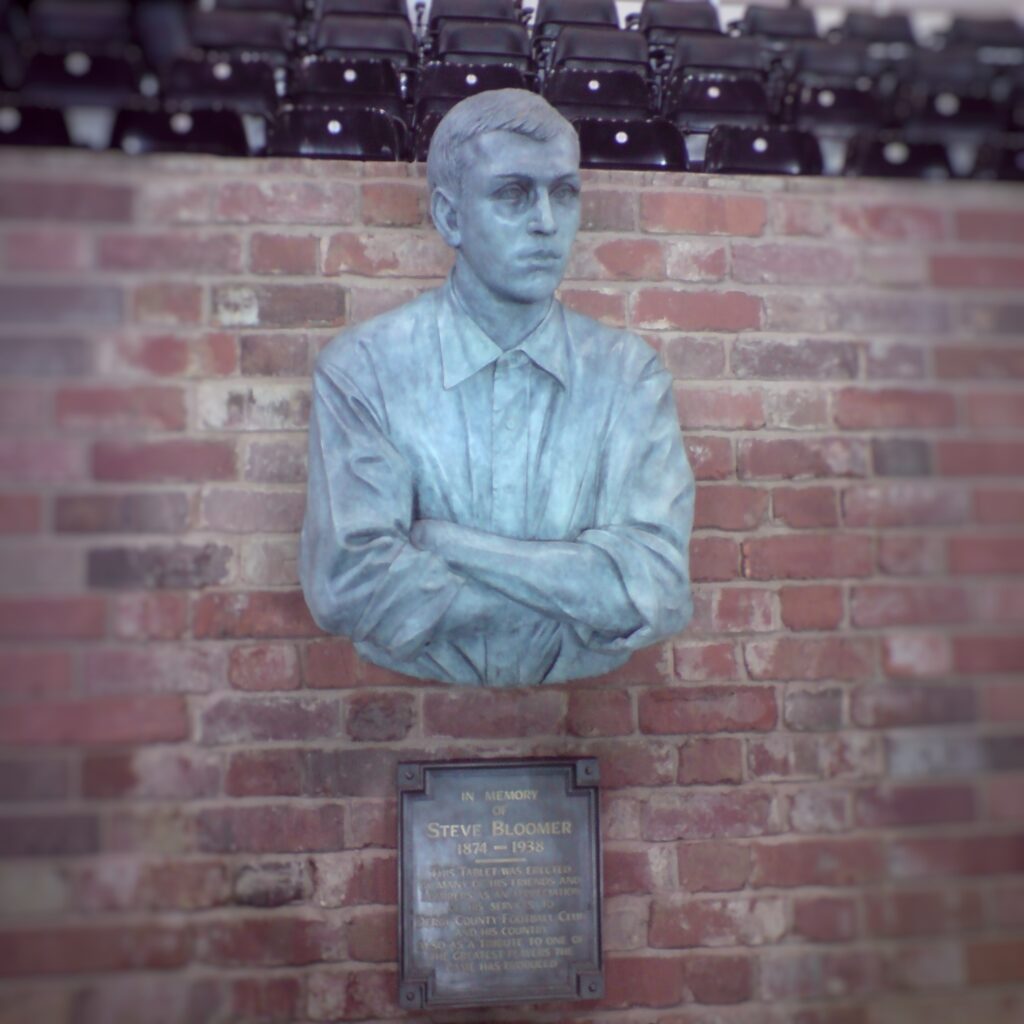
Bloomer is woven into Derby’s history – from the statue at Pride Park to the club anthem “Steve Bloomer’s Watching” which regular resounds around the stadium.
Even mentioning him today evokes pride and the idea of Derby as a sleeping giant capable of greatness again.
So when a rare cigarette card depicting his youthful good looks, dating to the turn of the century, came to light my spine tingled.
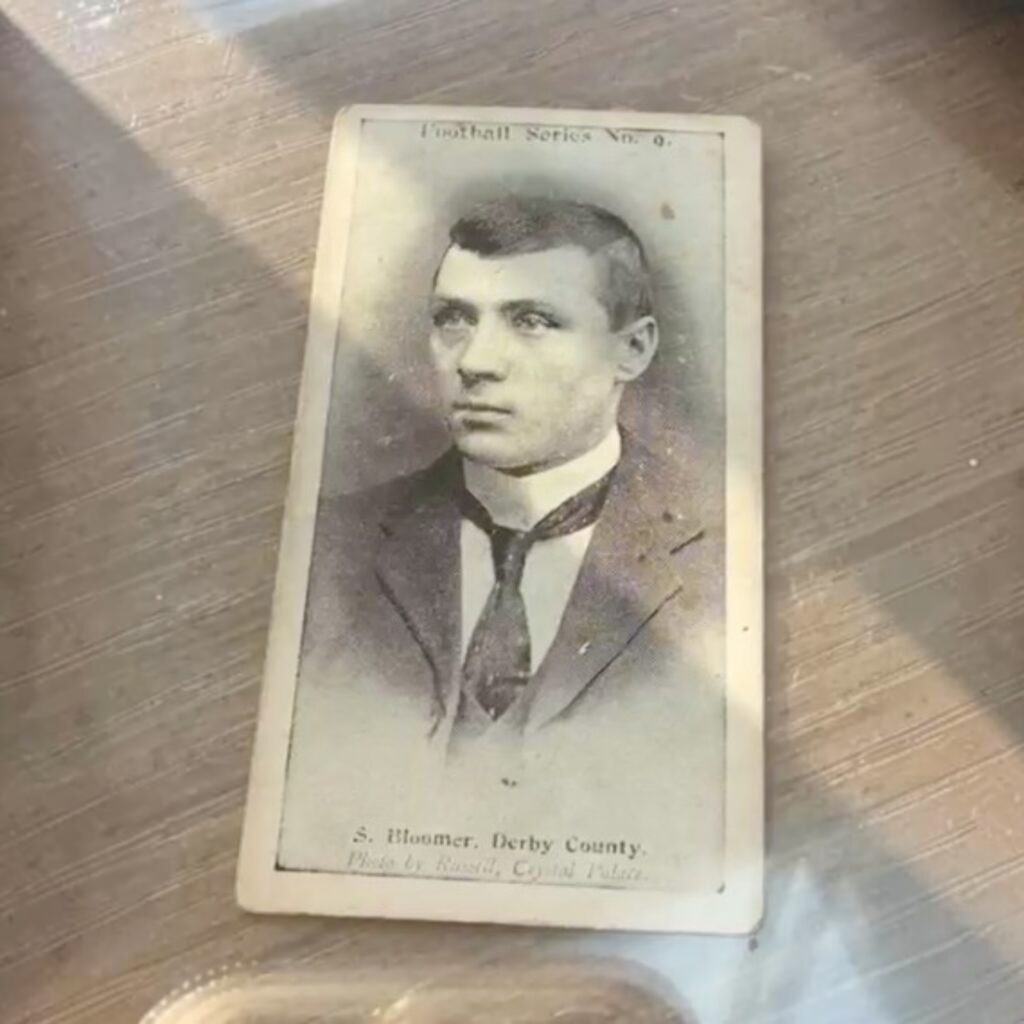
Long before Panini cards, there were cigarette cards, every bit as sought after by youngsters and even grown-ups.
In the 1870s and 1880s, cigarettes were sold in soft paper packets that crushed easily. Tobacco companies inserted small pieces of cardboard called “stiffeners” to strengthen the packet and protect the cigarettes inside.
Very quickly, manufacturers realised these little cards could also be used for advertising and brand loyalty.
Instead of plain card, they began printing company logos, or pictures of actresses, military heroes, or – like this one – sportsmen.
Children became obsessed with them – even though they couldn’t legally buy their contents.
Many reportedly waited outside tobacconists asking adults for discarded cards.
Imagine the joy on a youngster’s face as he came across this card from a pack of Wild Woodbines, depicting Derby County legend Steve Bloomer.
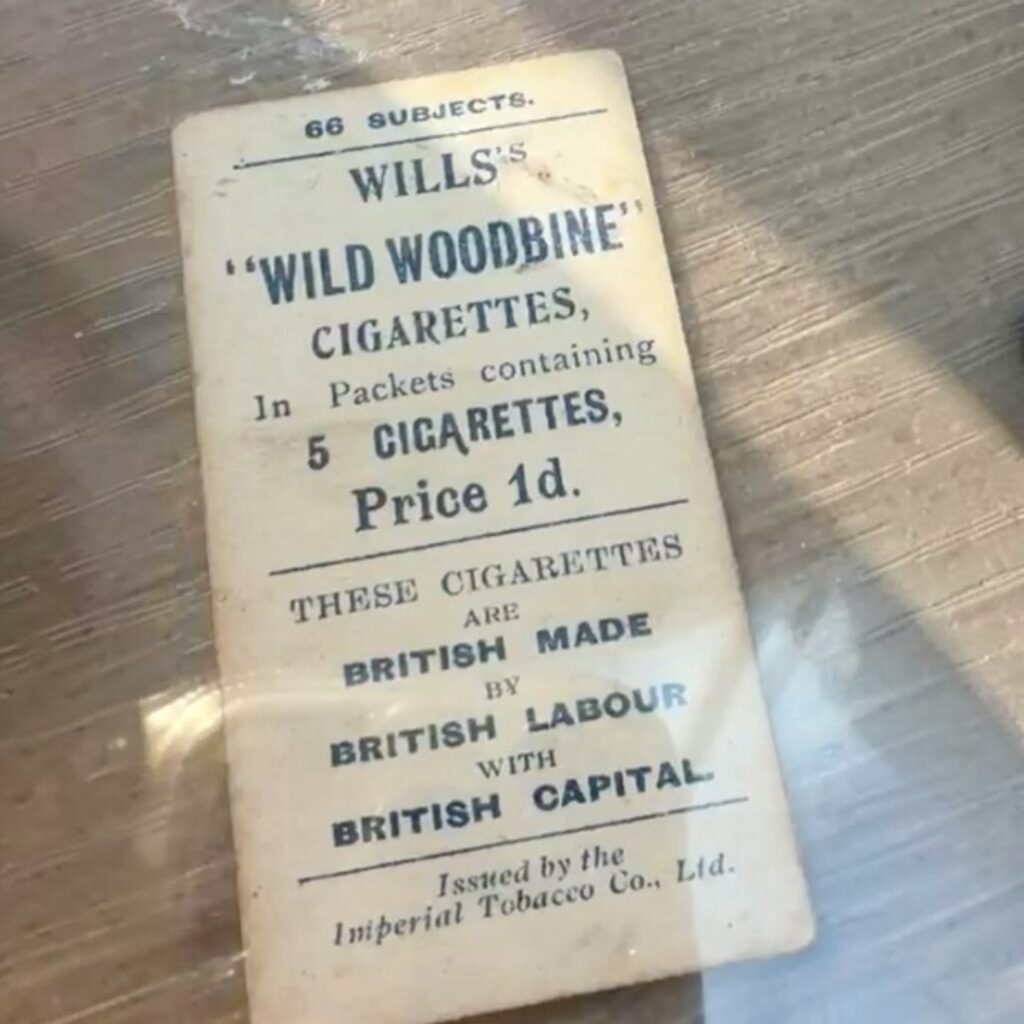
Today, such cards are prized by collectors because they capture the dawn of professional football and, in this case, celebrate a local hero.
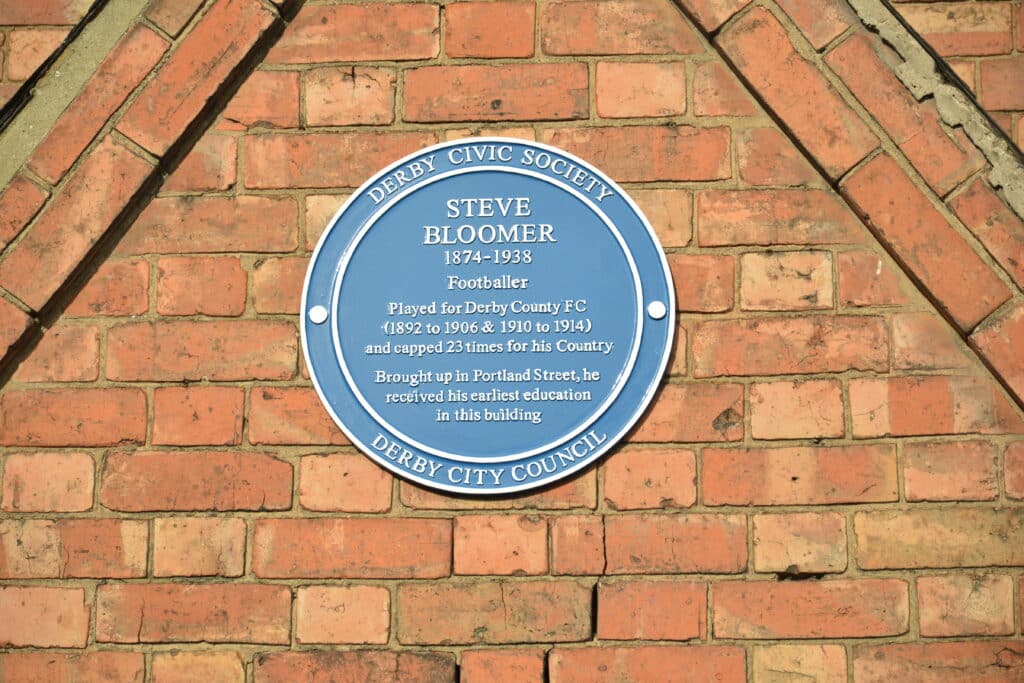
Born in 1874 in Cradley, Worcestershire, Bloomer’s father worked as a blacksmith and foundry labourer.
After moving to Derby, Bloomer Snr worked at Ley’s Malleable Castings where on leaving school his son joined him as an apprentice blacksmith.
That heavy manual labour was said to have helped build the leg strength that later made his shooting so feared.
Even as a lad he was known on the pitch for his outrageous goal scoring. One report attributed14 goals to him in a single school match.
By the 1890s, Bloomer had become footballing phenomenon.
At the time footballers were working-class labourers, with Bloomer one of the sport’s first true national celebrities.
Newspapers nicknamed him “Destroying Angel”, “Prince of Football” and “The Napoleon of Football”.
But one of his most remarkable chapters of his life came during WWI.
Bloomer was in Germany, aged 40, in 1914 coaching football.
When war broke out, he was trapped there as an enemy civilian and interned in Ruhleben camp near Berlin for several years.
The camp contained between 4,000 and 5,500 prisoners who gradually formed a mini society with detainees organising their own police force, magazine, library and postal service.
Football was a popular activity with the Ruhleben FA responsible for cup and league competitions with as many as 1,000 attending the bigger games.
It is one of the strangest and most poignant stories in football history: England’s greatest striker spending the war imprisoned in Germany.
When the conflict ended, Bloomer continued to coach and pioneer football abroad.
His greatest coaching achievement came in Spain, where he guided Real Unión to the 1924 Copa del Rey – the Spanish national championship.
Dubbing him “San Esteban” (Saint Stephen) even a century later, the Basque club continues to treat him as one of the most legendary figures in their history.
But despite his fame in the UK and abroad, Bloomer’s later life was modest.
He eventually returned to Derby and worked quietly as a groundsman and club assistant at the Baseball Ground.
He died in Derby in 1938 aged 64 from bronchitis.
Now, more than 120 years after the card was first tucked into a cigarette packet, this tiny piece of footballing history offers a poignant reminder of Derby County’s glorious past and, fingers crossed, a glory we will achieve again.

Auction Details
Auction: Derby June Four-Day Antiques & Collectors Auction: including Pre World Cup Football Sporting Items
Auction date: 18th – 22nd June 2026 | 10am
Location: Hansons’ Derbyshire Saleroom
Auction contact: [email protected]
Catalogue/bidding: www.hansonslive.co.uk | www.the-saleroom.com