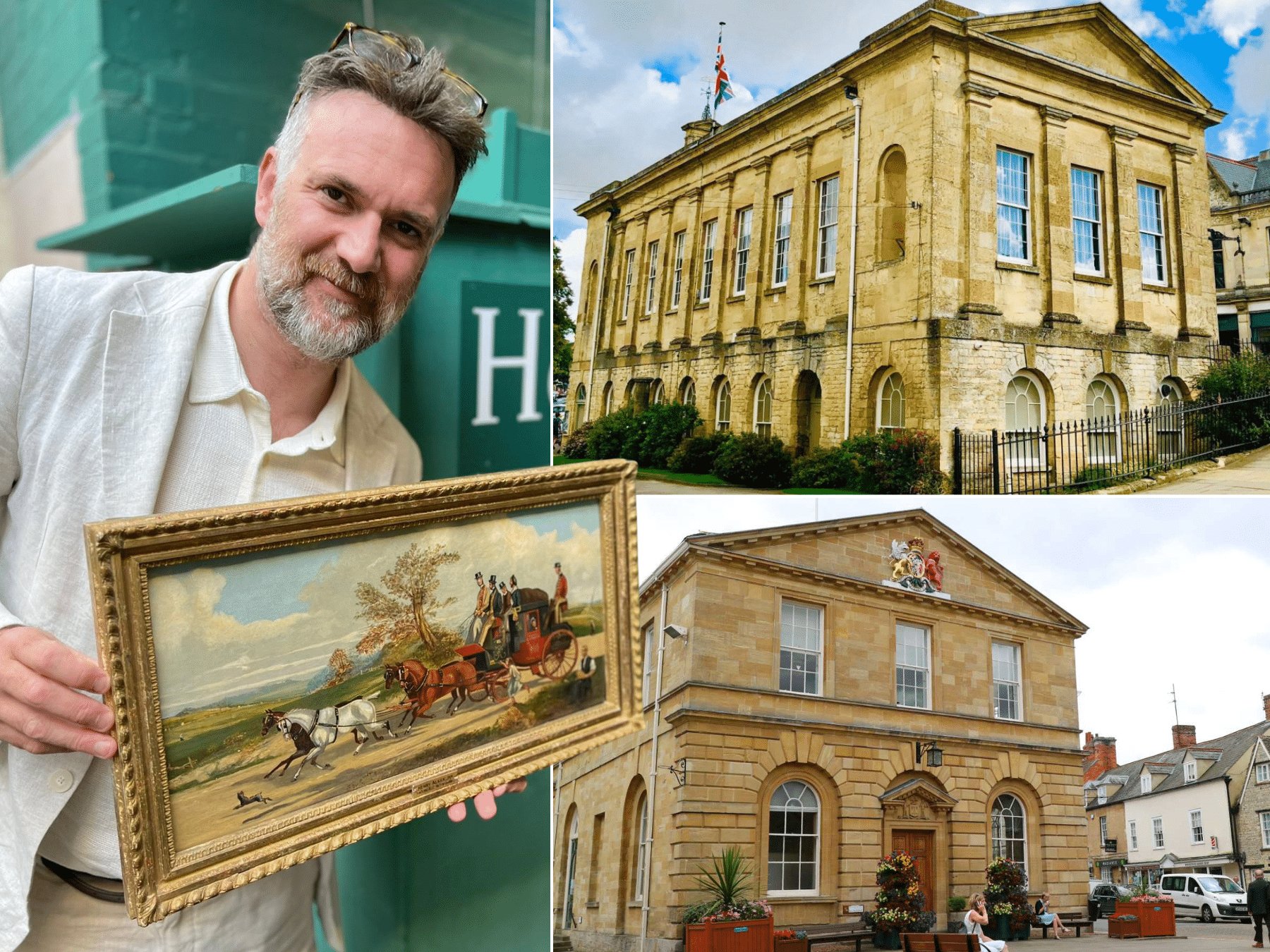







For me there is nothing quite like the thrill of the auction room. I love wielding the gavel from the rostrum, orchestrating bids from around the world online, on the phone and in the room.
But there is one thing you can be sure of – you never really know what is going to happen, which is, of course, part of the attraction. Valuers put what is called an estimate on a lot – what they think it might sell for – but if there’s a bidding battle, then the sky is the limit. It is all part of the most fascinating job in the world. Some of the pieces we are entrusted to sell are hundreds, if not thousands, of years old.
It is such a privilege to be part of their onward journey to new owners and new homes.
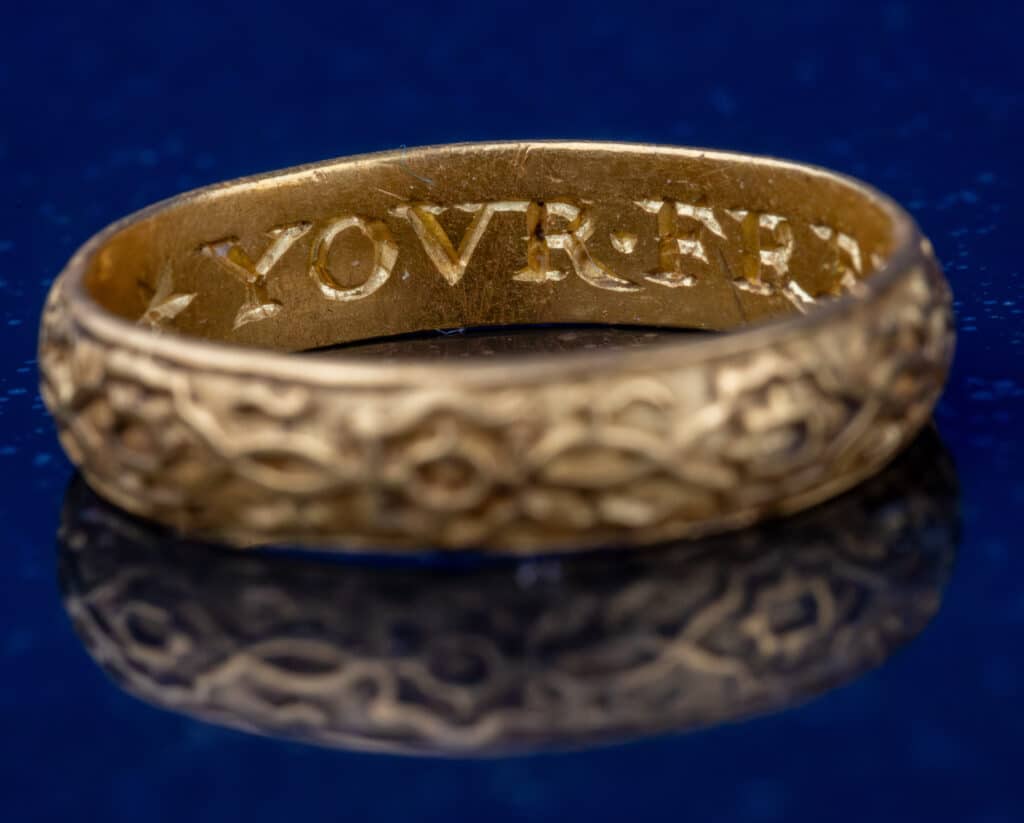
A Gunpowder plot ring ignites bidding interest
I was reminded of this last month when we were consigned for sale a very special 16th-century gold ring.
Bearing the rare, and sinister, inscription Yovr Frende in Deede (Your Friend in Deed), it was discovered by Birmingham metal detectorist, Andrew Rose, next to the moated Warwickshire birthplace of Robert Catesby – the mastermind of the Gunpowder Plot.
(Forget Guy Fawkes, he was just a hired hand with a penchant for gunpowder.)
The inscription may refer to the close bond between the conspirators, as well as the “deed” of blowing up parliament on November 5, 1605.
Bushwood Hall in Lapworth where Catesby was born in 1572 can only be accessed down a track, increasing the chances the ring was connected to someone who lived there.
Could it have been worn by one of the famous conspirators who often plotted in the Midlands away from prying London eyes?
Bidders certainly thought so, the auction blew up when the ring went on to sell for £10,200.
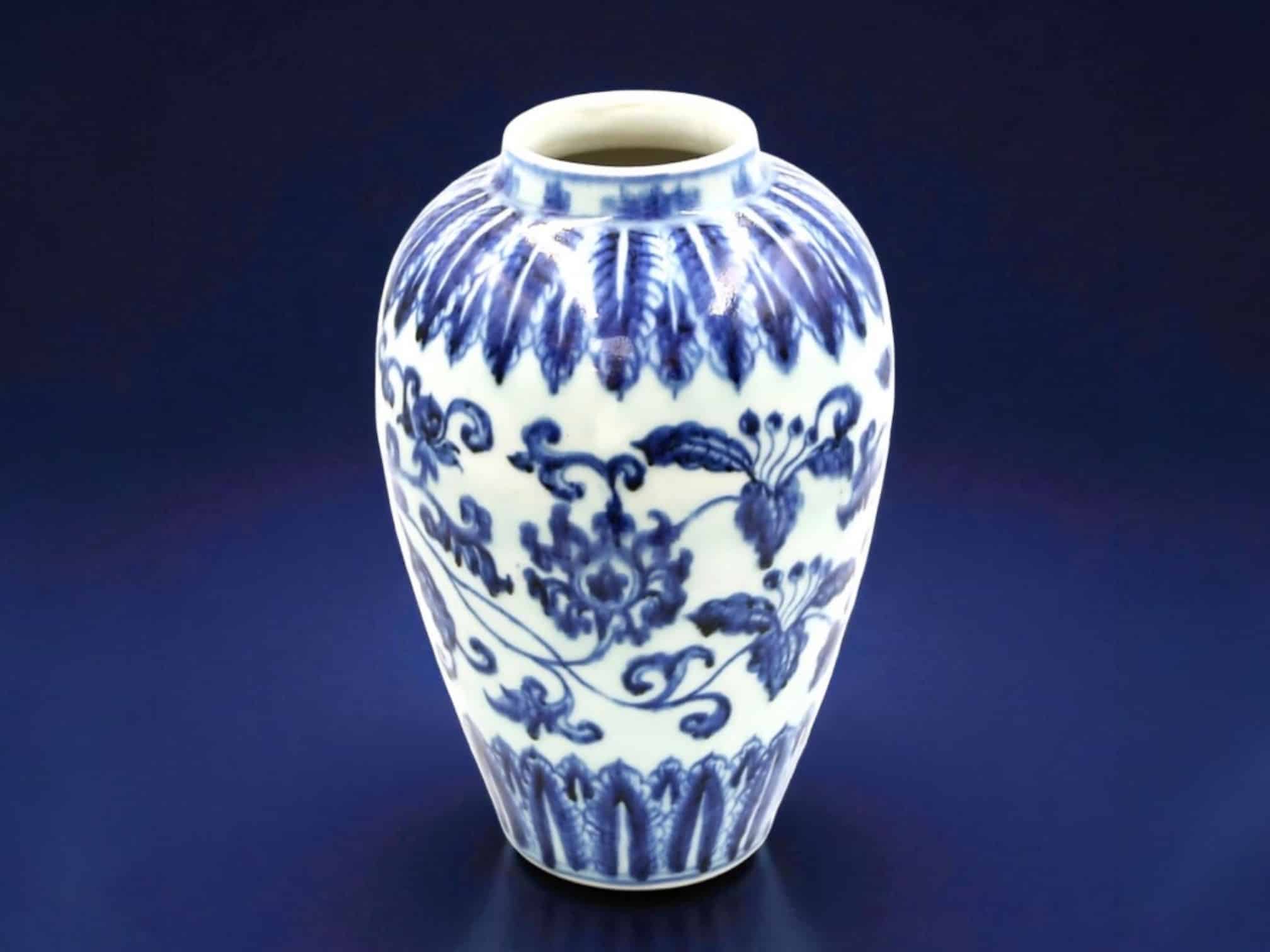
Cracked Ming vase sells for £130,000
You have no doubt read the headlines when an undervalued Chinese artwork sells for thousands.
We have had several such successes over the years, including ‘Aunt Beryl’s vase’ which was used as a doorstep and sold for close to £700,000.
The buyers producing these eye-watering results are often well-off Asian collectors keen to repatriate their country’s historic treasures.
This year a cracked vase kept in a loft, expected to make £100, sold for £130,000 after it was discovered to be a rare Ming treasure.
Experts believed the 26cm (10in) vase was a later copy, rather than dating from the Xuandeperiod (1426–1435) of the famous Ming dynasty.
The vase was part of a collection inherited by two London sisters from their great grandfather who worked in China in the early 20th century.
They kept it in the attic. Now, bought by a collector in Shanghai, it back in the country ha gave life to it.
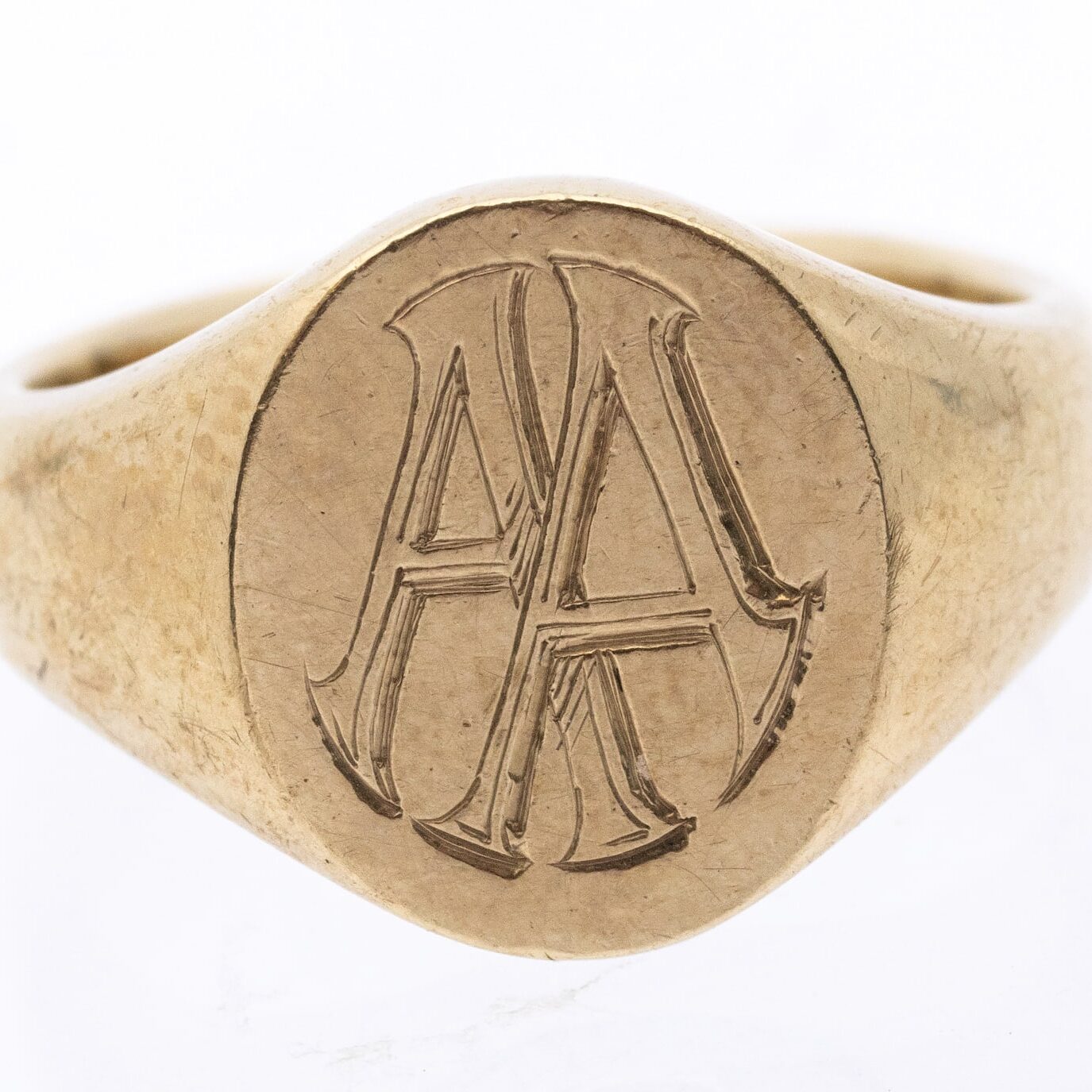
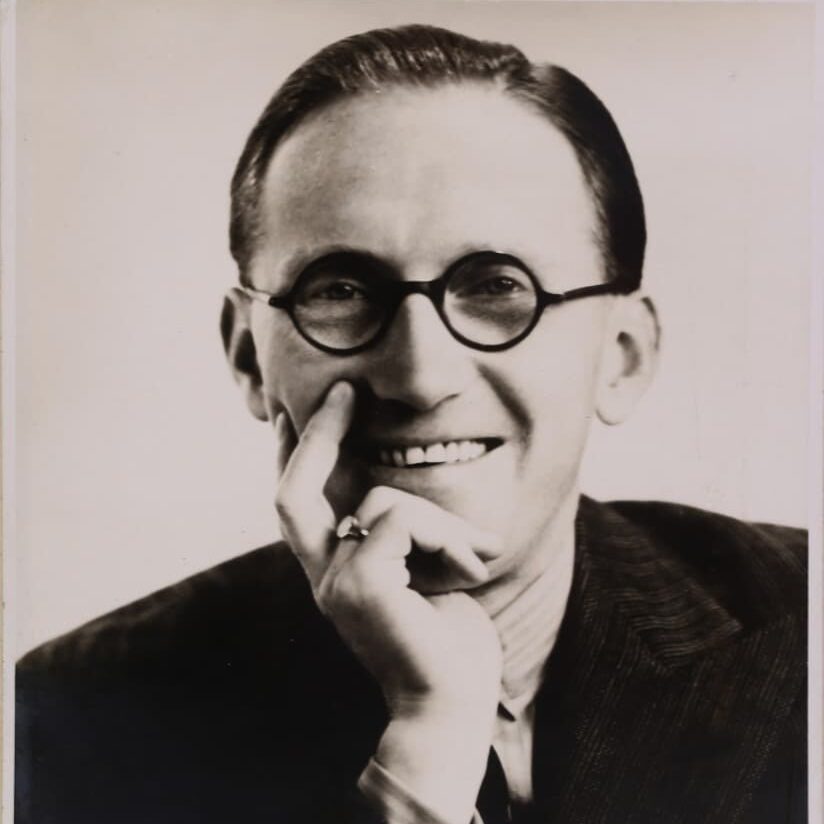
Big returns for pint-sized comedian
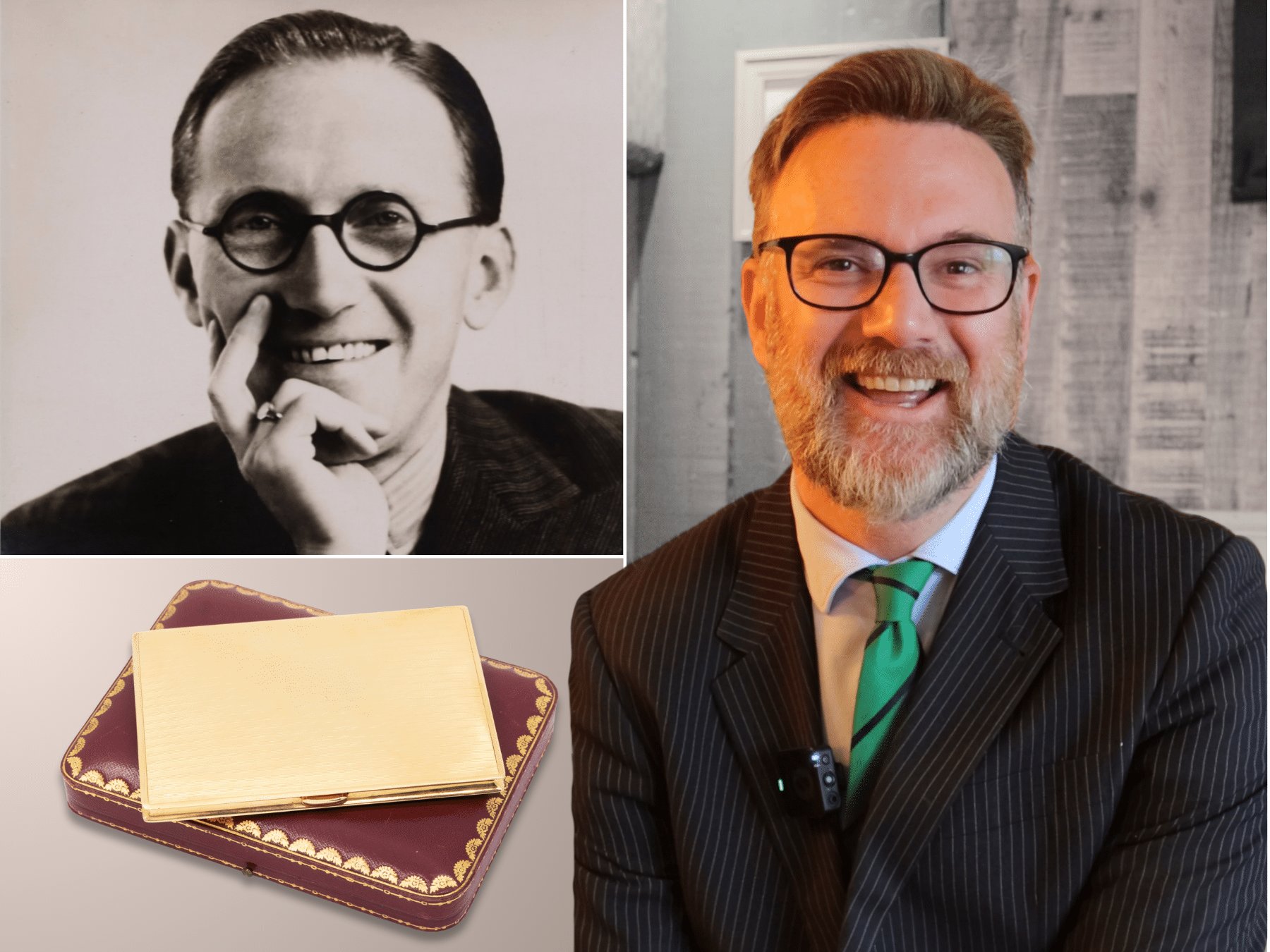
After being entrusted to sell the collection of the legendary comedian Eric Morecambe in 2024, we were thrilled when the personal archive of another celebrated funnyman came our way.
The collection of ‘big-hearted’ Arthur Askey was consigned for sale by the comedian’s three grandchildren, Jane, William and Andy Stewart.
Askey’s 9ct gold signet ring, with his AA monogram, sold for £1,600 trouncing its estimate of £250-£350.
Bidders from China, Canada, Dubai, Belgium, Greece and America took part in the sale, as well as fans from Askey’s hometown of Liverpool – all pushing lots well past their pre-sale estimates.
The “Big Red Book” from Askey’s second appearance on This is Your Life, which was broadcast on Christmas Day 1974, sold for £1,100 almost three times its low estimate of £300.
The whole collection sold for £57,000 – a mighty sum for which the funnyman would have said “Aye thang you”.
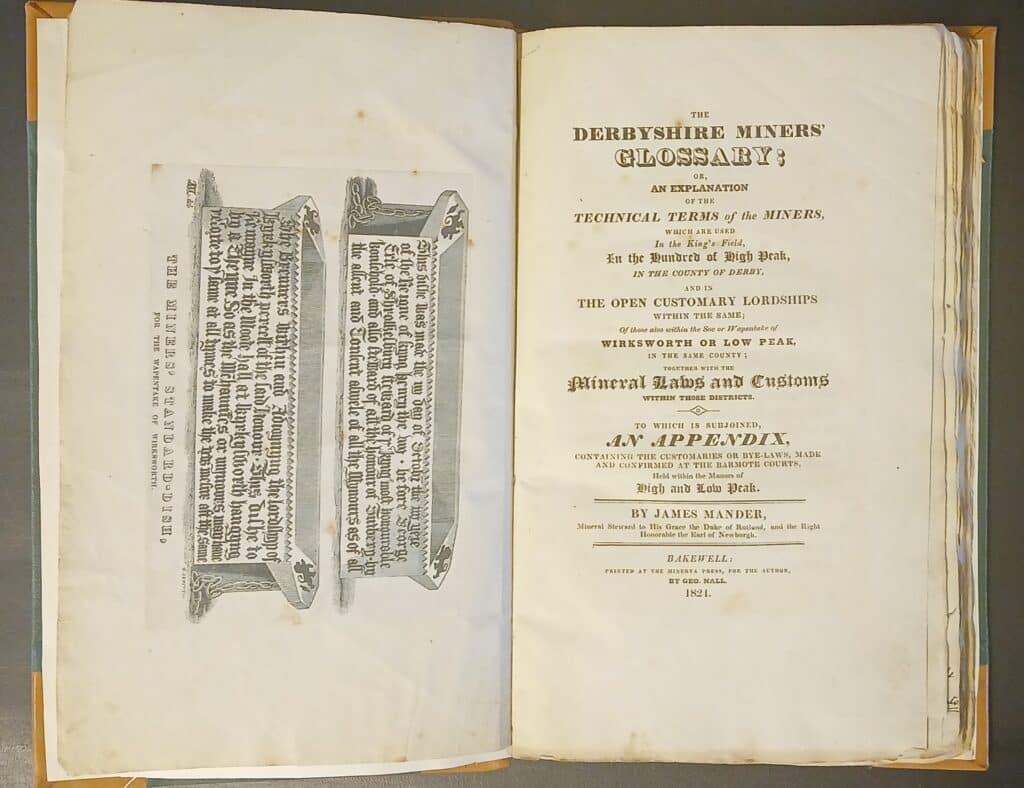
Earth shattering result for rare mining dictionary
Our Staffordshire saleroom at Bishton Hall near Wolseley Bridge saw one of my favourite sales of the year.
It came in the shape of an obscure dictionary of Derbyshire mining terms from the 1800s which had been expected to make £300-£600 but sold for a ground-breaking £17,000 this week.
Jim Spencer from Lichfield-based Rare Book Auctions, who sold the glossary, was as gobsmacked as the rest of us. With auction fees, the buyer paid almost £22,000 for the lexicon.
It was written by James Mander who titled the work A Mineral Dictionary of Words, Or Terms Used By The Miners In Derbyshire 1821.
The mainly handwritten manuscripts, dated 1821, including definitions such as grace o’ godmeaning “the lucky finding of Ore by accident”.
For eager budders it provided a fascinating glimpse into the forgotten language and ancient customs of lead-mining in 19th-century Derbyshire.
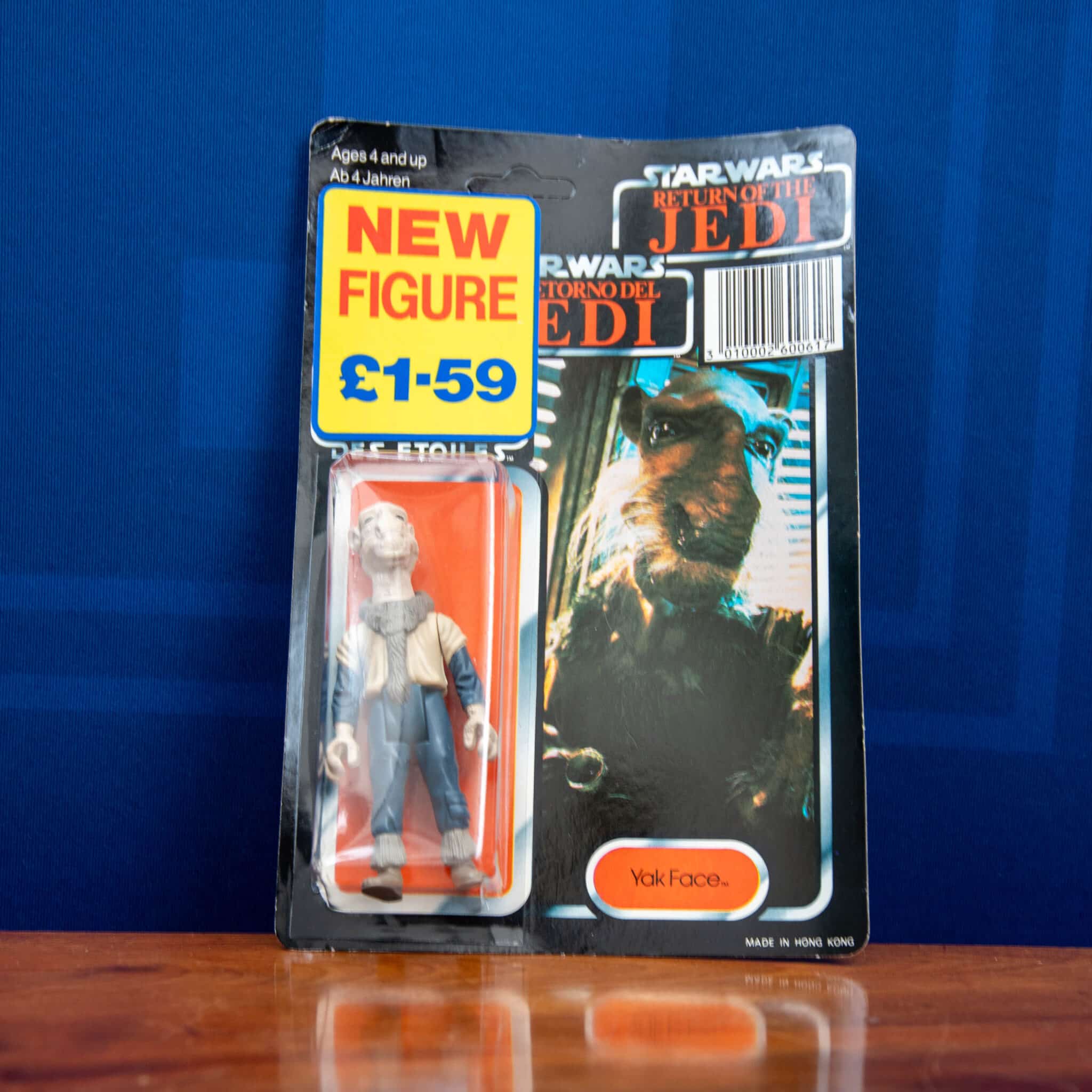
The Star Wars figure that made a sky-high sum
Nothing connects with buyers like a treasured childhood toy. Today the popularity of post-war toys and dolls knows no bounds with buyers worldwide keen to bid on childhood treasures brimming with nostalgia.
This was the case this summer when a rare Star Wars figure, found in a Northampton loft with its £1.59 price tag still attached sold for £2,100.
Although the character Yak Face only appears for a few seconds in the 1983 film, Return of the Jedi, it is a ‘holy grail’ to collectors.
The figure, one of 15 others which had languished unopened for more than 40 years in a Wellingborough loft, made a total of £6,880.
Yak Face, a member of Jabba the Hutt’s entourage, is ultra rare and famous for being one of the ‘Last 17’.
These were a final, and much sought-after group of figures, produced between 1984 and 1985, as interest in the original Star Wars trilogy had begun to wane. Check out your old toy cupboards, in case you own one.
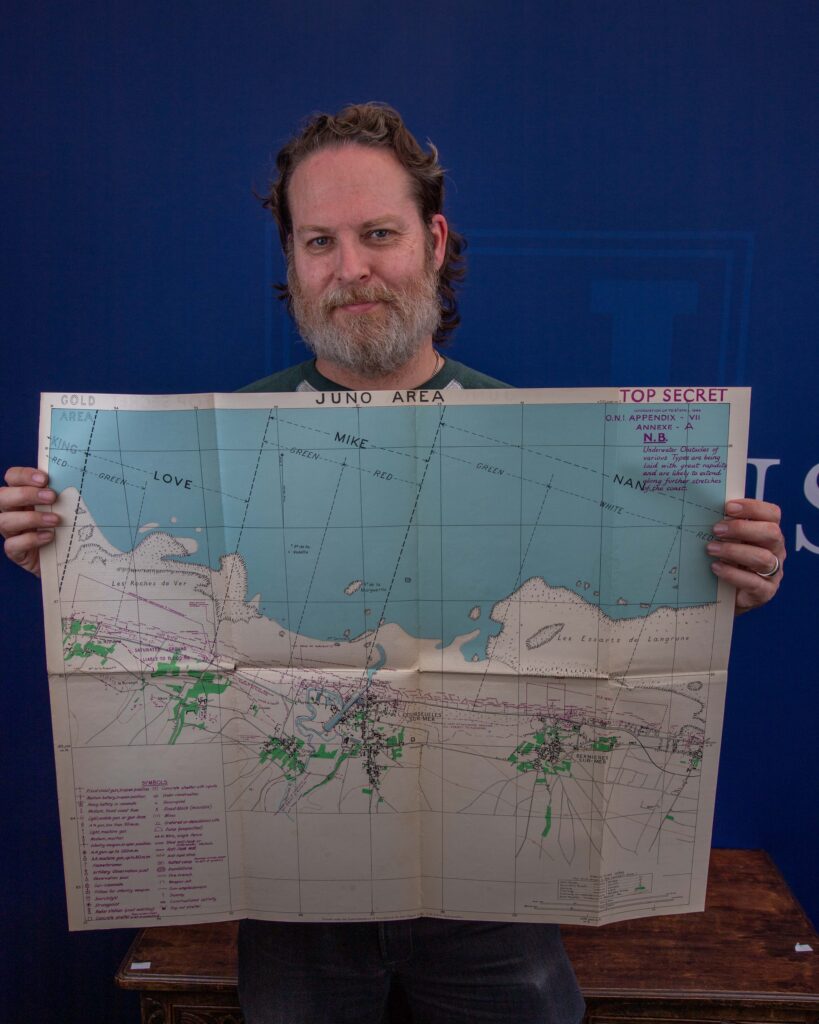
Top secret D–Day maps found in a cardboard box spark bidding war
If you’ve ever been to a pre-auction viewing day you will have spotted canny buyers with their noses in boxed lots of dusty miscellanea.
They know the contents of these overlooked containers can house treasures which can sell for thousands.
This was the case with a very special lot, found discarded in one such box, was picked up fornext to nothing.
But hidden among it was a remarkable collection of six “top secret” maps used by Allied troops on the famous D-Day beach invasion of 1944.
They detailed the five landing beaches – Utah, Omaha, Gold, Juno and Sword – and went on to sell for a total of £23,400.
The maps were in the possession of Royal Naval sub-lieutenant Walter Page who was aboard one of the 900 Landing Craft Tanks taking part in the Normandy landings.
It is incredible to imagine the role these maps played in the largest amphibious assault in human history.
Also amazing to think, had it not been for the eagle-eyed vendor these maps would likely never have seen the light of day.
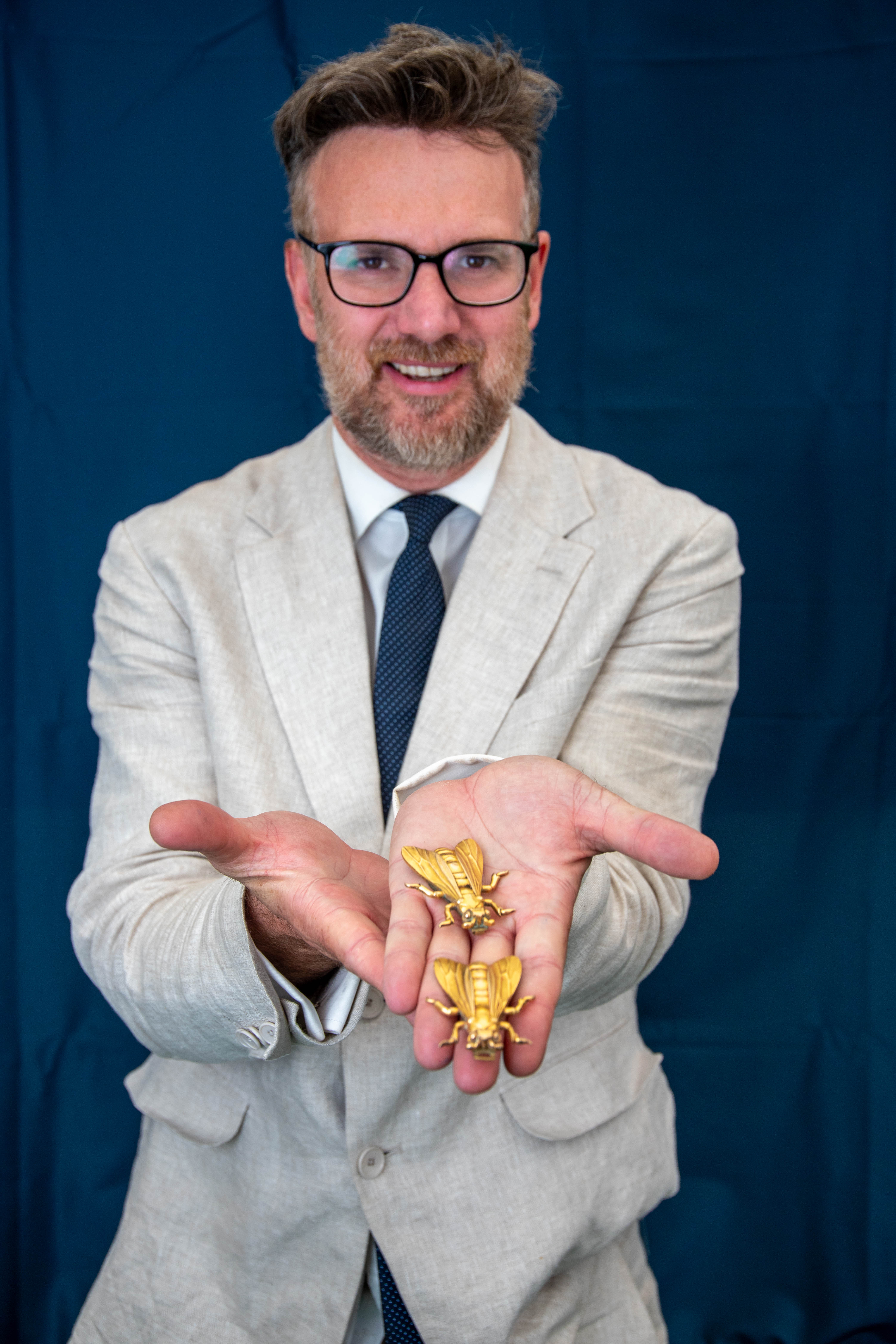
Napoleon’s bee buckle created a buzz
In my job I am lucky to come across items owned or worn by some of the most famous people who have ever lived.
Such was the case with this rare cloak buckle in the shape of two bees which was owned by Napoleon Bonaparte and sold for £10,000 in August.
It was taken as a souvenir from Napoleon’s heavily-guarded apartment on the remote island of St Helena after his death in 1821, aged 51.
The gilded clip features two bees facing each other – an emblem the French leader used to represent his status as emperor.
It came from the descendants of a member of the 66th Berkshire Regiment of Foot, which was tasked with guarding the French emperor on the South Atlantic territory.
The cut leather straps on the back of each clasp suggested they were cut off a garment by a knife or bayonet. There was no doubt it created a real buzz in the saleroom.