







The start of the year has been buzzing with amazing finds and it’s intoxicating for anyone who loves antiques as much as I do – writes Charles Hanson
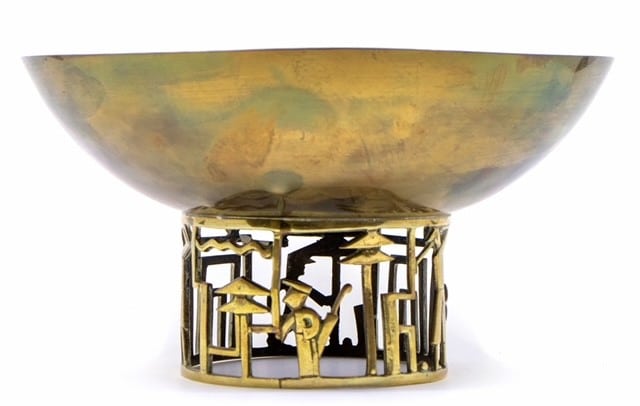
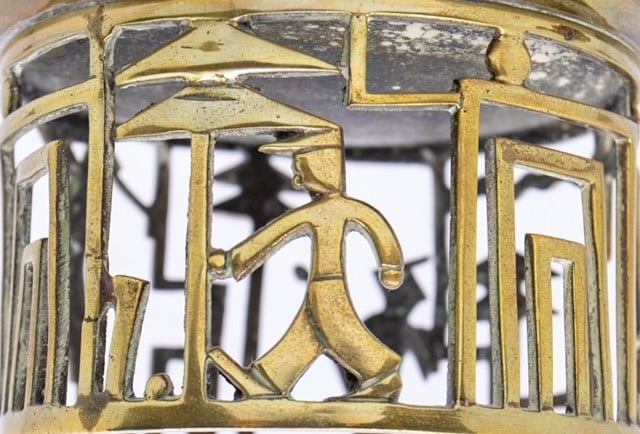
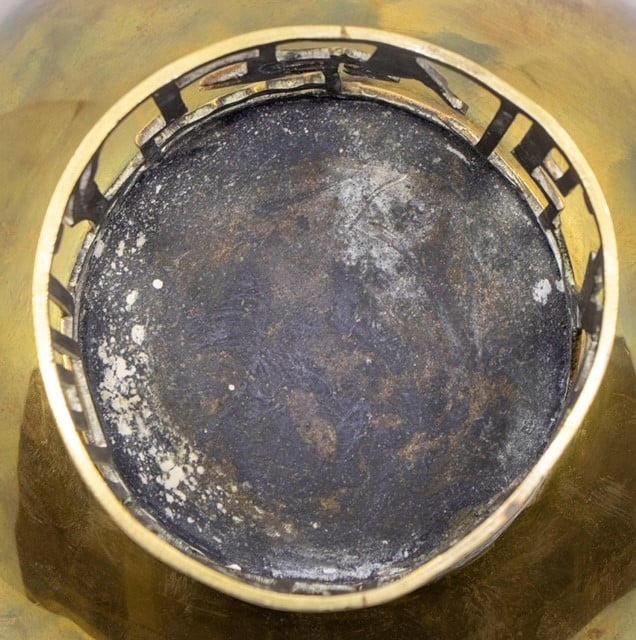
One fascinating object that caught my eye was a rigid, workmanlike 1930s cubist brass bowl made by Austrian Art Deco designer Karl Hagenauer (1898–1956) for the Werkstatte Hagenauer.
It features figures of golfers among pine trees. Though decorative its simple straight lines cultivate a utilitarian look, fittingly so as many of his objects are useful as well as ornamental. Candlesticks, corkscrews, ashtrays and cigar cutters are among items which benefit from his distinctive style.
His work became popular in the artistically rich period following the First World War, and it’s not hard to see why. There is something intrinsically captivating about his designs.
That should come as no surprise bearing in mind his father was Carl Hagenauer, a celebrated Austrian sculptor and designer. He founded what became the Werkstätte Hagenauer Wien (wHw) in 1898.
This family business in Vienna produced fine, hand-crafted objects for nearly 90 years. The workshop closed in 1987 but the company’s retail premises, opened in 1938 on Vienna’s Opernring, survives today as a museum and shop.
With such artistic genius at the heart of the family, it was important to hone Karl’s talent from an early age. He was enrolled at the Vienna School of Applied Arts at the age of 11.
The plan was for Karl, the eldest son, to eventually lead the family business. Consequently, before he even reached his teenage years he was studying alongside the likes of highly regarded architects and designers Josef Hoffmann and Oskar Strnad. Together they created designs for the Wiener Werkstätte art collective.
The First World War temporarily halted Karl’s creative endeavours but after service in the infantry he resumed his training, qualified as an architect and joined the family business in 1919.
He offered new ideas and a new dynamic. He was responsive to changes in public taste influenced by the popularity of the Vienna Secession, an art movement closely related to Art Nouveau. It was formed in 1897 by a group of Austrian painters, graphic artists, sculptors and architects.
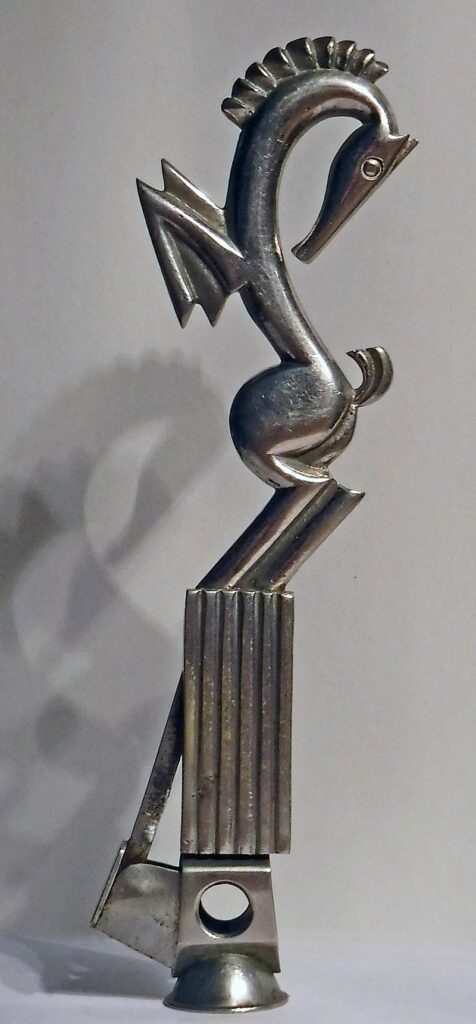
Karl’s stylised animals and whimsical creatures, hand-crafted in brass, had broad appeal in domestic and overseas markets. His work particularly appealed to Americans, partly due to the efforts of New York gallery owner Rena Rosenthal. She featured his sculpture of actress Josephine Baker in a 1935 window display.
Rosenthal’s patronage was critical to the post-Second World War success of the Werkstätte Hagenauer. hostilities caused a delay of several years in her payment for a last container of products shipped in 1938. The subsequent change in exchange rate was advantageous to the Austrian craftsman, supporting rebuilding efforts.
By this time he had been making waves across Europe for two decades. His work was presented at the 1925 Paris Exposition, where he won bronze and silver medals. Several other awards followed.
Often inspired by African art, he explored an aesthetic similar to Pablo Picasso’s early Cubist paintings, which were also influenced by North African masks and figurines.
But Karl really could turn his hand to anything, including the company’s trademark ‘wHw’ (Werkstätte Hagenauer Wien). He designed and registered it in 1927.
In 1928, the year his father died, Karl assumed leadership of the business. He was the principal designer of everyday objects while his younger brother, Franz, specialised in sculpture.
Today, Karl’s works can be found in the collections of the Museum of Art Nouveau and Art Deco in Salamanca, Spain, and The Museum of Modern Art in New York, among others.
The Karl Hagenauer bowl will be offered in Hansons’ March 22 Decorative Arts Auction, estimated £200-£300. Further entries invited until March 1.
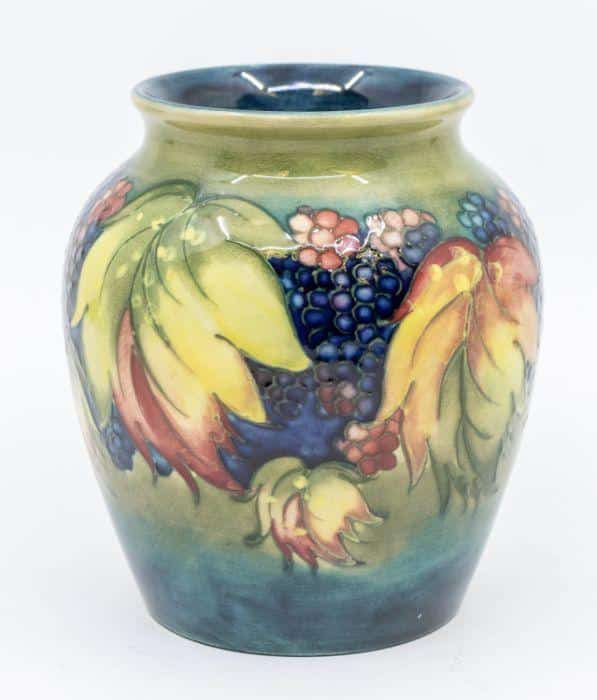
Items that shine in the Decorative Arts sales include glassware, sculpture, Art Deco wares, 20th century furniture and ceramics. For example, a recent sale saw a trio of Moorcroft pottery achieve £320 from a £60-£80 estimate. In similar vein, a Moorcroft leaf and berry pattern vase soared to £200 from a bottom estimate of £40.
The rich red of Royal Doulton Flambe wares also proved popular. A Flambe rhino achieved £210 and a pair of owls £170. A large selection of bold and colourful Lorna Bailey pottery also attracted bidders including an Old Ellgreave Pottery limited-edition coffee pot with Art Deco handle, £110.
One of my favourite lots was an elegant Art Deco figural lamp depicting a woman holding a globe aloft. It sold for £250, well above its £150 top estimate.
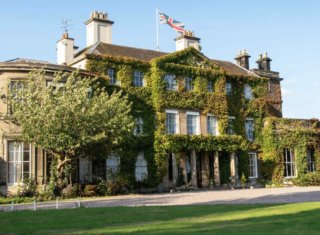
To arrange a decorative arts valuation, email Barry Jones: [email protected]. Hansons’ experts assess all types of antiques, collectables and jewellery from Monday to Friday and Saturday mornings at Hansons, Heage Lane, Etwall, Derbyshire. To book an appointment, email [email protected] or call 01283 733988.