








As the summer entertaining season reaches its height, Charles Hanson reflects on two remarkable pieces of furniture arriving for auction – one fit for keeping the wine perfectly chilled, the other with a direct link to one of Derbyshire’s greatest heroines.
Summer is a wonderful time for entertaining.
Long lunches drift into evening suppers, the garden becomes another room of the house and, if we’re lucky, a chilled bottle of white wine is never too far away.
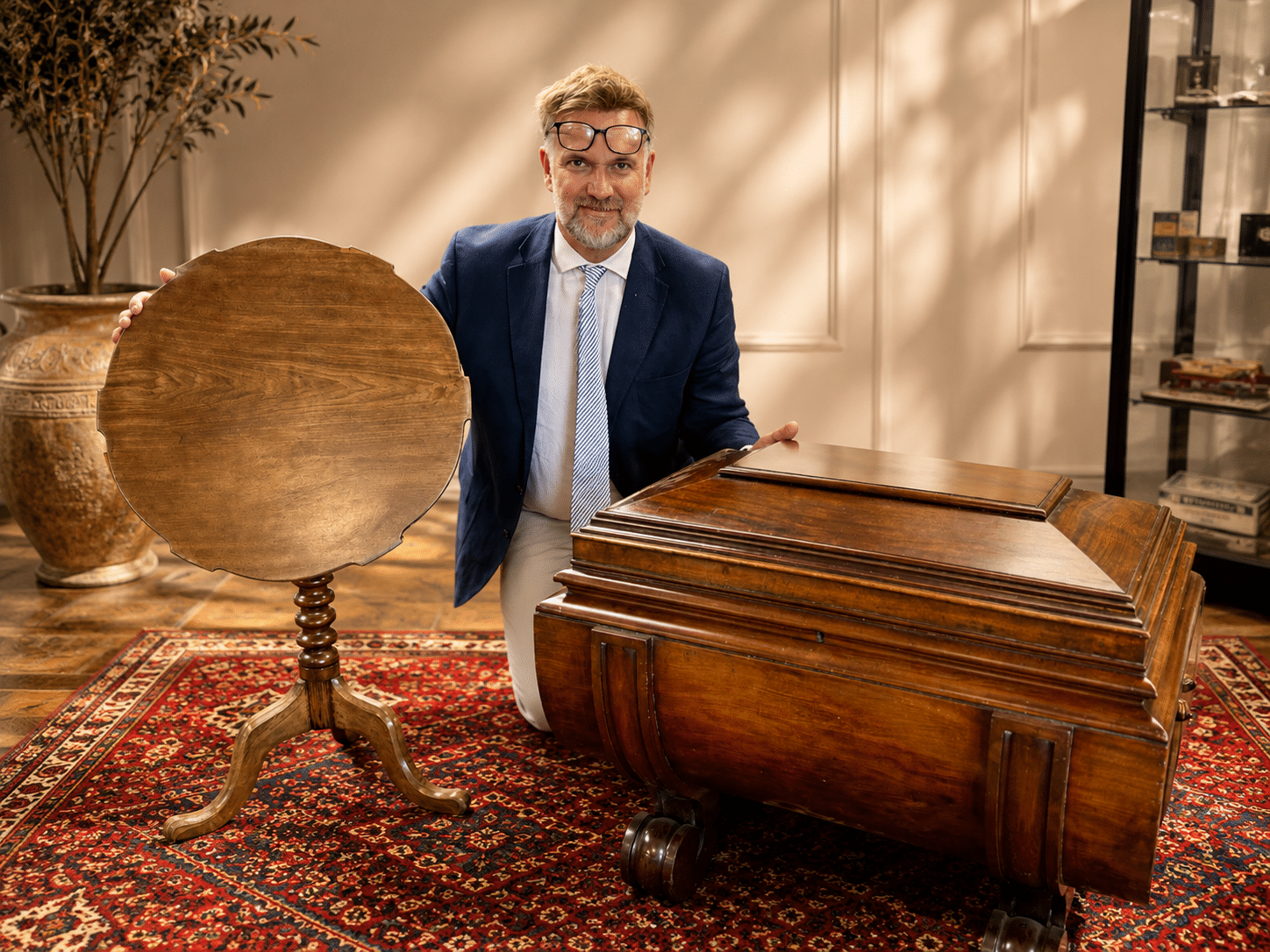
Perhaps that explains why I was immediately drawn to a handsome George IV wine cooler that has recently arrived for our Autumn Fine Art Auction.
At first glance, it almost looks surprisingly modern.
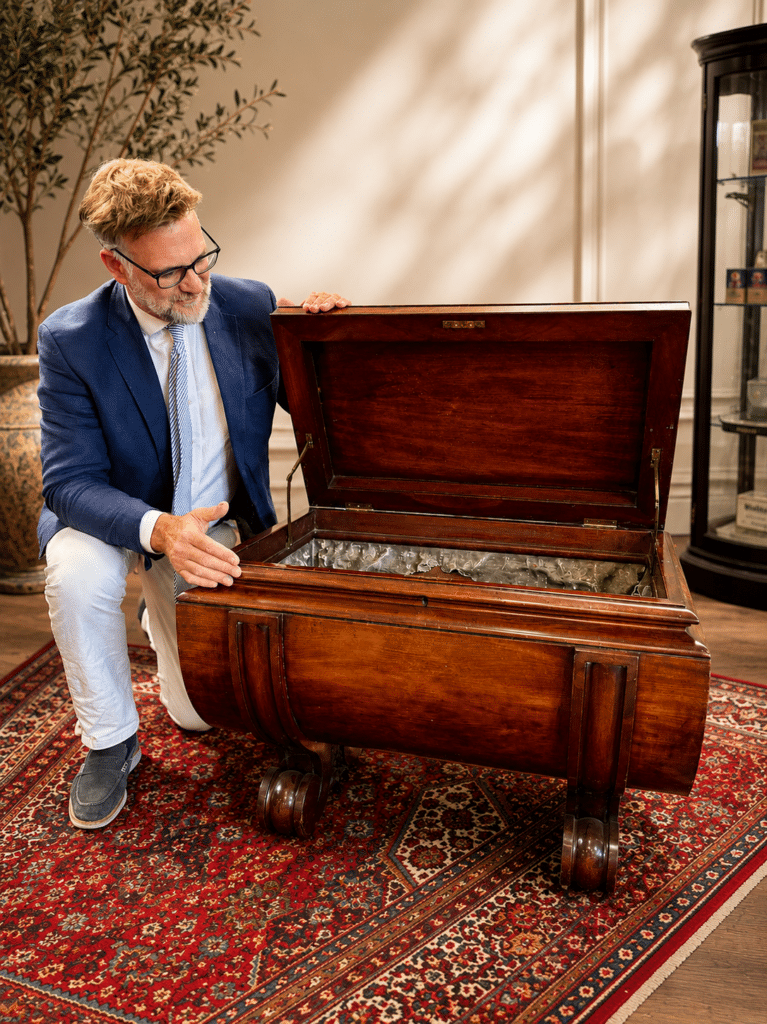
Its clean sarcophagus outline, bold ring handles and restrained elegance would not look out of place in a contemporary interior. Yet this beautiful piece of furniture was crafted around 1830, barely fifteen years after the Battle of Waterloo.
Furniture has a wonderful habit of reminding us how fashions constantly come full circle.
The wine cooler dates from a period when Britain was entering a new age of prosperity. Entertaining became ever more fashionable amongst the growing middle and upper classes, and furniture makers responded by producing elegant pieces designed specifically for dining and hospitality.
Unlike today, there were no electric refrigerators.
Wine had to be cooled using ice, often harvested during winter and stored underground in ice houses before being placed inside lead-lined wine coolers like this example. Internal divisions helped separate the bottles while keeping them surrounded by ice, allowing hosts to serve chilled wines throughout lengthy dinner parties.
This example is particularly appealing.
Crafted from beautifully figured flame mahogany, it has developed the rich patina that only nearly two centuries of careful use can produce. It remains wonderfully practical while also being an attractive piece of furniture in its own right.
Estimated at £600-£800, I think it would make the perfect addition to any dining room or drawing room, particularly during the summer months.
Yet while attractive furniture always catches my eye, pieces with genuine provenance are even harder to resist.
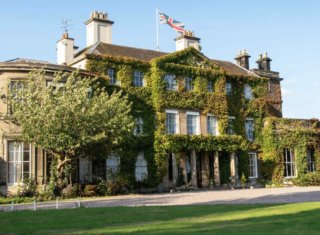
Also appearing in our September Fine Art Auction is a modest little table that once stood in the Derbyshire home of Florence Nightingale.
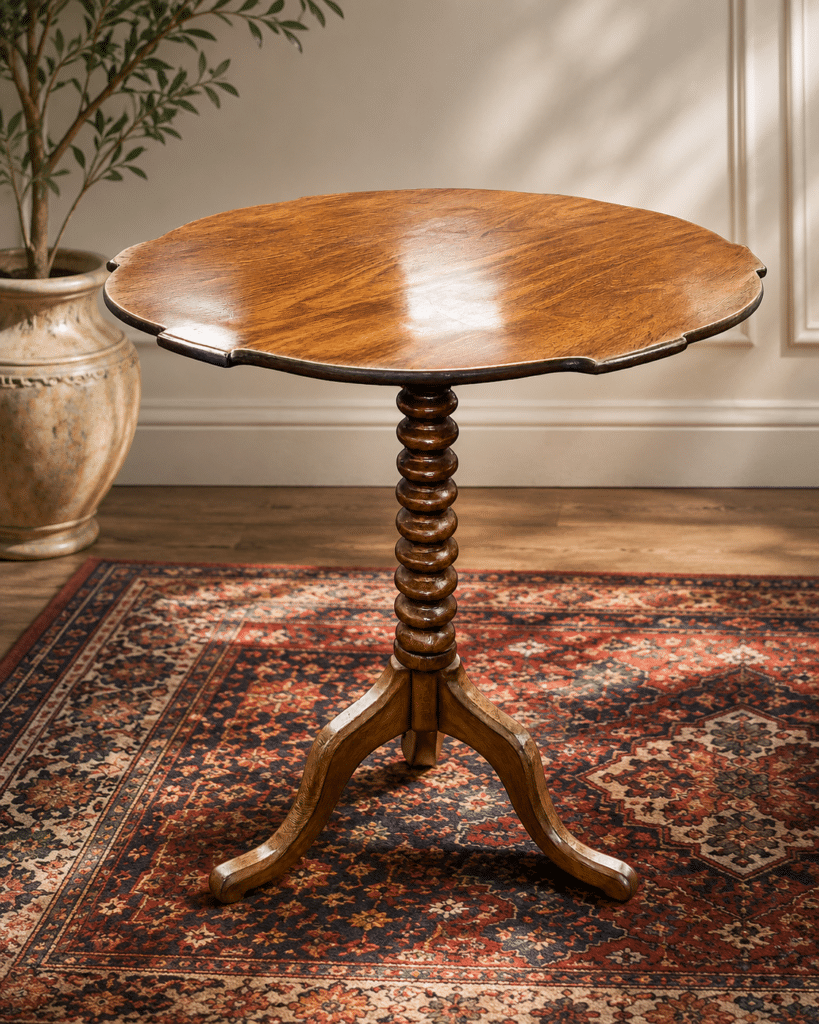
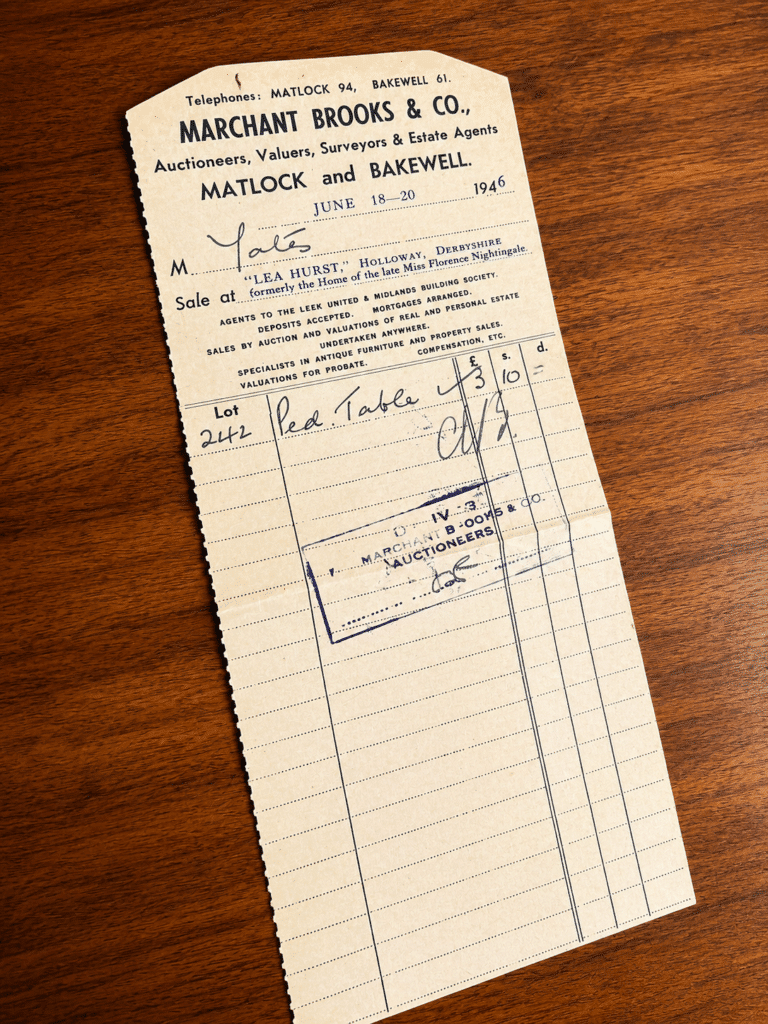
It comes complete with its original purchase receipt from 1946, documenting its sale after leaving Lea Hurst, the Nightingale family home near Holloway.
I always find paperwork fascinating.
Receipts, invoices and old labels can be just as exciting as the object itself because they bridge the gap between history and ownership. In this case, an almost eighty-year-old receipt provides a direct connection between today’s owner and one of Britain’s most remarkable women.
Florence Nightingale hardly needs introducing.
Born in 1820 and named after the Italian city of Florence, she transformed nursing during the Crimean War through her insistence on cleanliness, organisation and compassionate patient care. Her pioneering work dramatically reduced mortality rates and laid the foundations of modern nursing.
Yet Derbyshire was always central to her story.
Lea Hurst served as the family’s summer home, and it was here that the young Florence developed many of the ideas and convictions that would ultimately change medical history.
To discover a piece of furniture with such a tangible connection to her life is genuinely exciting.
It also reminds us that antique furniture is often unfairly overlooked.
People sometimes talk about the market for so-called “brown furniture” being soft, but that overlooks the continuing demand for smaller, well-proportioned pieces with exceptional provenance or outstanding craftsmanship.
Collectors today are increasingly selective.
Rather than filling houses with enormous Victorian sideboards, buyers often seek elegant occasional tables, wine coolers, library furniture and decorative pieces that work comfortably within modern homes.
History never goes out of fashion.
Whether it is a Georgian wine cooler ready to chill this summer’s favourite vintage or a humble table linked to one of Derbyshire’s greatest historical figures, both pieces tell stories that extend far beyond timber and polish.
That, ultimately, is why I continue to love antiques.
Every object has lived another life before ours.
Some witnessed fashionable Georgian dinner parties. Others quietly stood in the home of a woman whose compassion changed the world.
Both will be offered in Hansons Auctioneers’ Autumn Fine Art Auction on September 3, and I have no doubt they will begin fascinating new chapters with their next custodians.