







No matter which stories we put out to the press, the one failsafe to score column inches are the contents of Queen Victoria’s underwear drawer.
Maybe it’s the contrast between the monarch’s austere exterior and the thought of what lay beneath, or more likely it’s our age-old British prurience.
Luckily, over the years, we have become rather associated with the queen’s unmentionables having sold a few pairs.
In 2020, we sold some of Queen Victoria items including a skirt, bodice and stockings and leather boots sold for more than £17,000.
They had been in a Norfolk wardrobe for more than 100 years with most of them secured by Historic Royal Palaces, a charity which looks after London’s Kensington Palace, Victoria’s place of birth. She ruled for 63 years and was in the habit of giving clothes, including underwear to members of the royal household.
It wasn’t that she thought they might use them, or keep them as a souvenir, ever practical, she hoped they might re-use the high-quality fabrics.
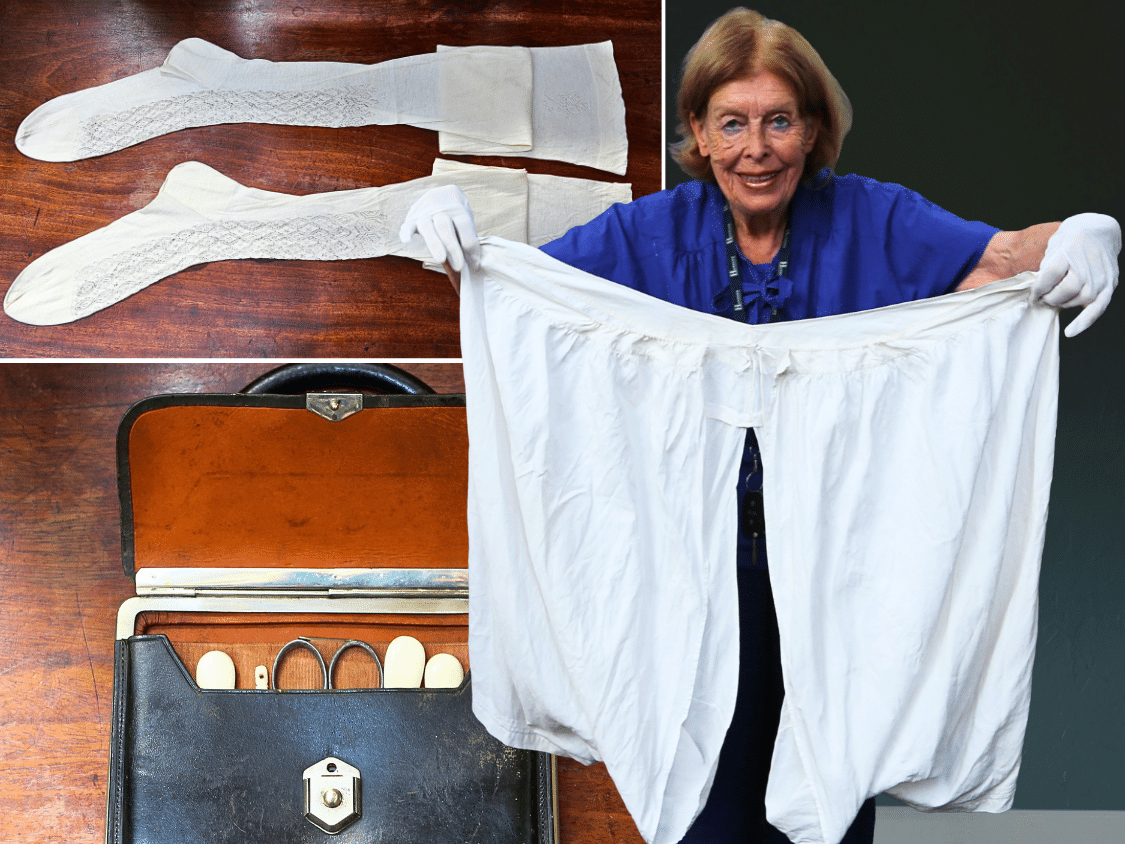
So I was delighted when a collection of her pantaloons, stockings, chemise, silk handkerchief and a lawn dress, dating from the 1850s through to the late Victorian period, was consigned for sale at our Etwall HQ.
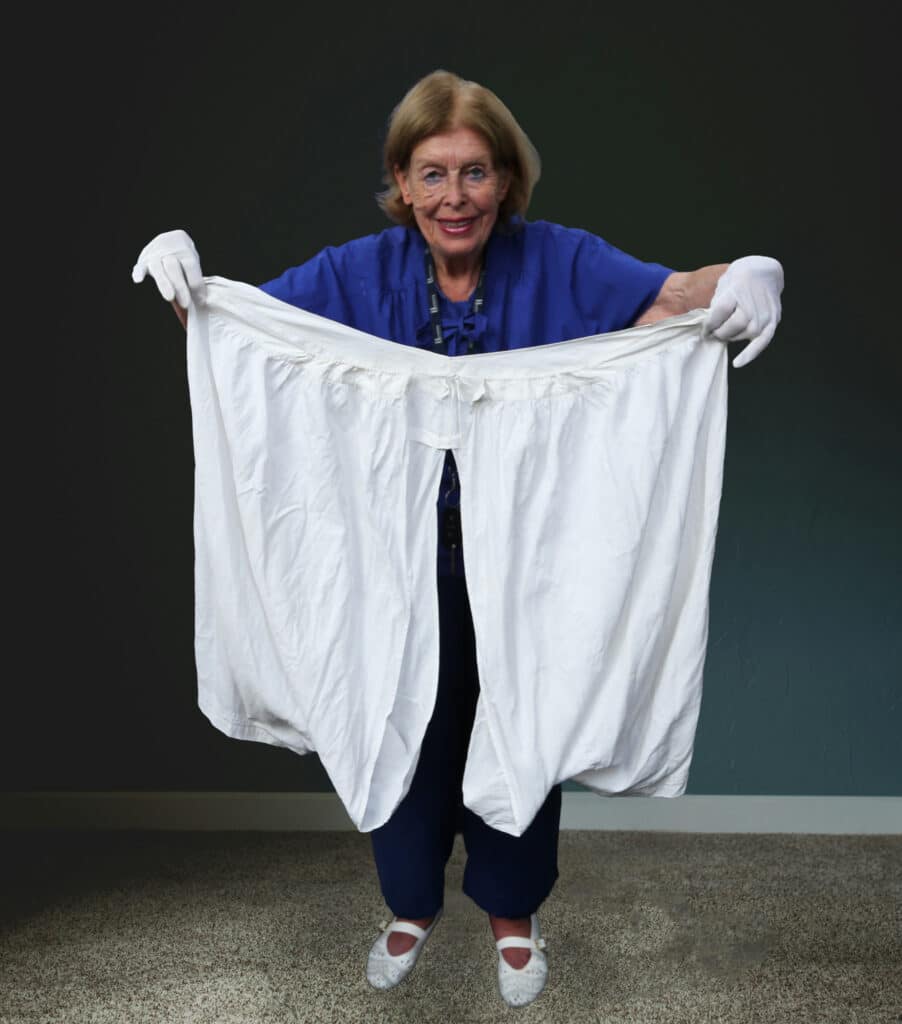
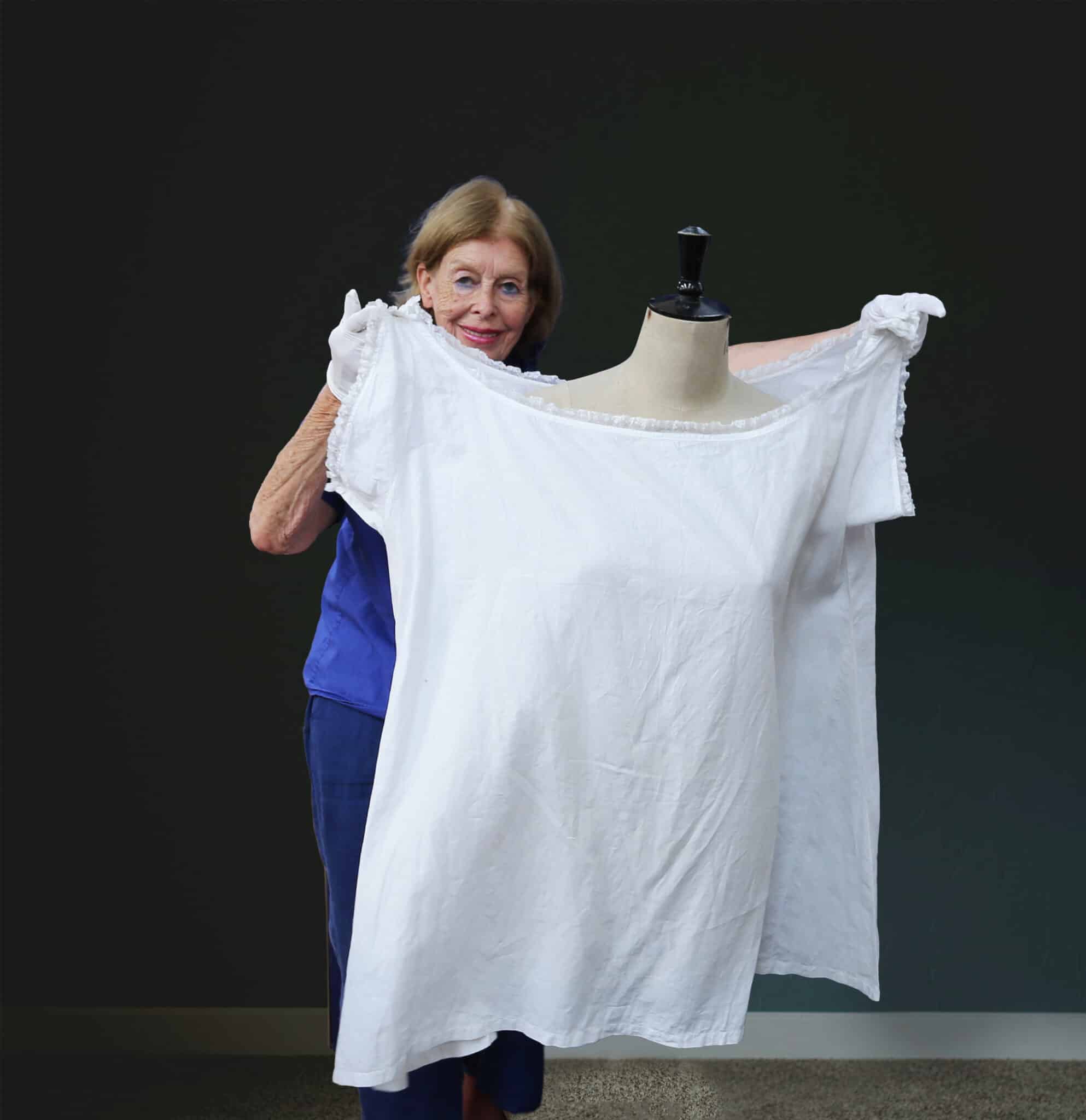
Of course the most likely to grab the headlines is an enormous pair of royal bloomers with a waistband of 50in.
The garments, several of which are marked with Queen Victoria’s royal cipher “VR” – standing for Victoria Regina – came from a Sotheby’s sale in 1971 before passing through private hands.
Among the most striking items are a vast pair of white cotton pantaloons, whose size reflects the Queen’s changing appearance during later life.
When she came to the throne in 1837 she was a very slender, petite young girl.
Although only around 4ft 11in tall, Victoria became increasingly stout after nine pregnancies and decades of secluded widowhood following the death of Prince Albert in 1861.
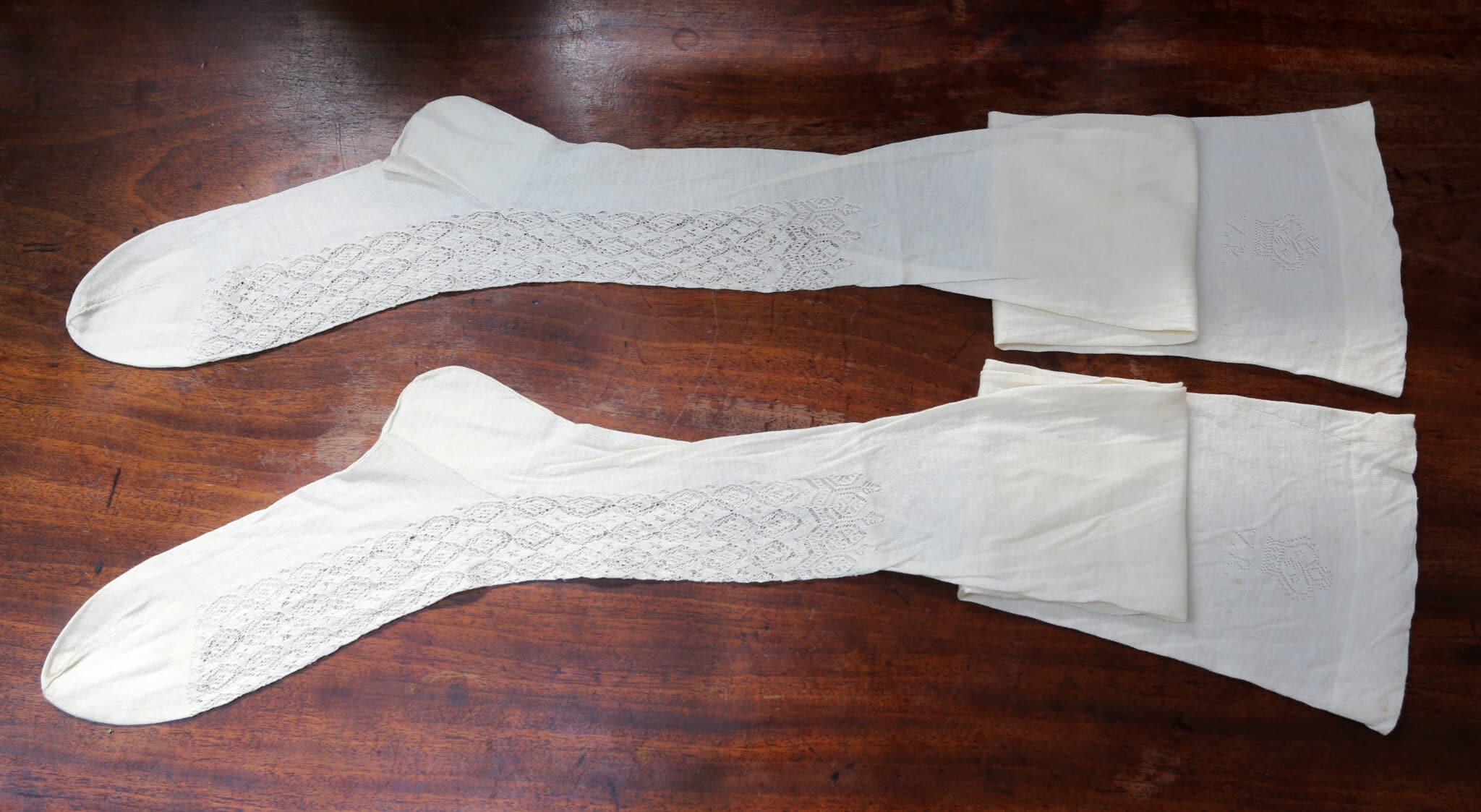
Also included are delicate white stockings carrying the same “VR” monogram and believed to date from before Victoria entered her famous period of permanent mourning.
Following Albert’s death at the age of 42, the Queen became almost inseparable from black clothing, a style that came to define the later Victorian age.
It became a social requisite to wear black from anywhere between three months to two and a half years while grieving.
But while the outer layers were sombre, undergarments from her widowhood were white – that being the standard for hygiene at a time when boiling and bleaching clothes were the best ways to ensure cleanliness.
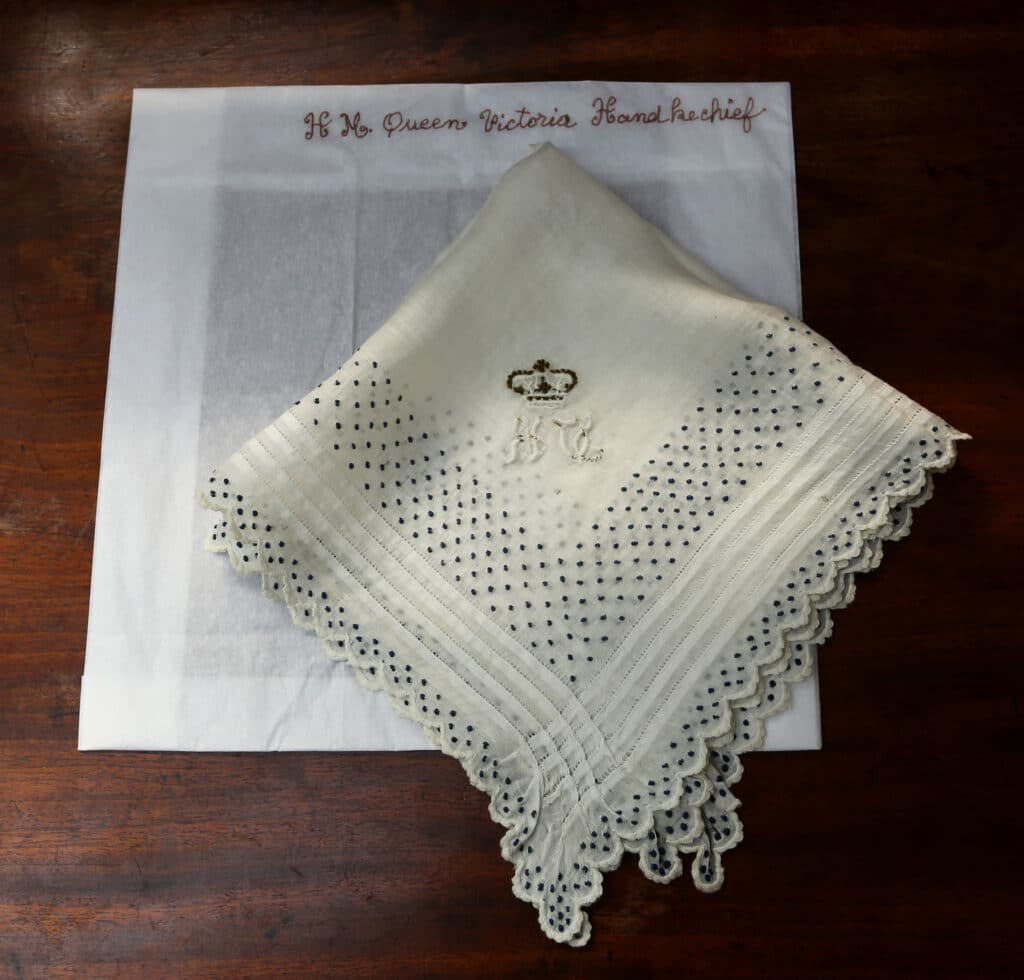
A finely worked silk handkerchief embroidered with a crown and “VR” initials also forms part of the collection.
Interestingly it was Queen Victoria who made the wearing of underpants popular.
At the beginning of her reign, very few women wore them.
By the time Victoria died, just about every woman in Britain was wearing underpants like hers. Most of the style she wore were known as ‘split drawers’, which had a gap down the middle allowing women to use the privy without having to remove multiple restrictive layers of heavy clothing, corsets, and petticoats.
It’s so exciting to uncover historical items relating to Queen Victoria. Clothing connected to her is sought after.
Queen Victoria (1819-1901) was known for her generosity of spirit. Whether residing at Balmoral, Sandringham or Windsor, during her 63 years on the throne she allowed small items to be given as gifts.
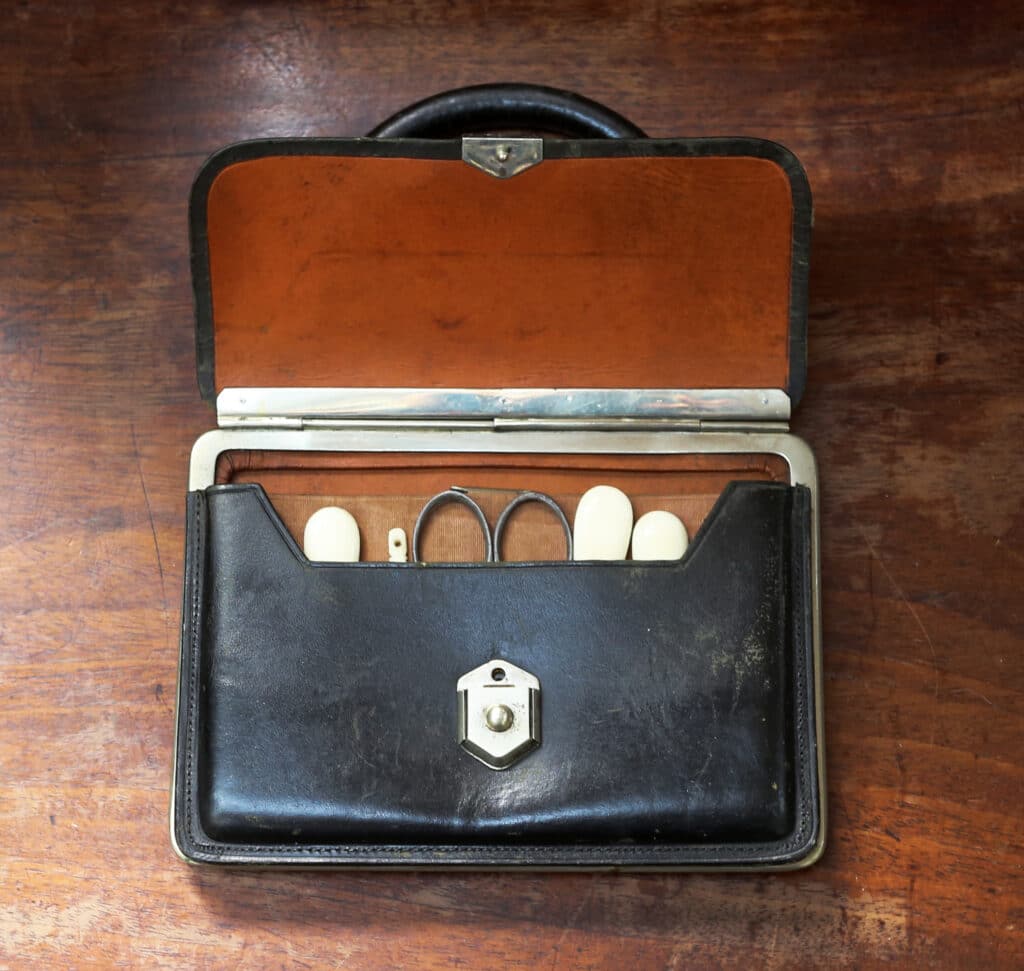
In addition to the clothing, the collection includes a late Victorian sewing or work box traditionally associated with a woman named Ellen Oakes, who may have had links to the royal household or domestic service, although research into her identity is ongoing.
The survival of royal undergarments with identifiable markings is considered unusual, as such intimate items were often privately dispersed or destroyed. Collectors say the garments offer a rare glimpse into the private world of one of Britain’s most iconic monarchs.