







Here, Hansons’ furniture valuer Edward Rycroft highlights star lots in Hansons’ Bishton Hall Country House Sale & Fine Art Auction in October.
A fantastic collection of furniture from across the centuries created a dazzling display at Hansons’ Bishton Hall Country House Sale and Fine Art Furniture Auction – and sparked some impressive results.
From the 16th Century Elizabethan age to the Arts and Crafts period, there was a piece to suit all interiors, and many items sold above estimate.
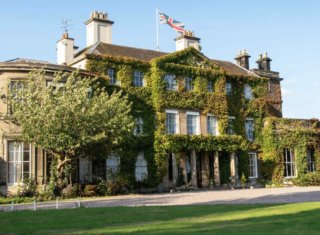
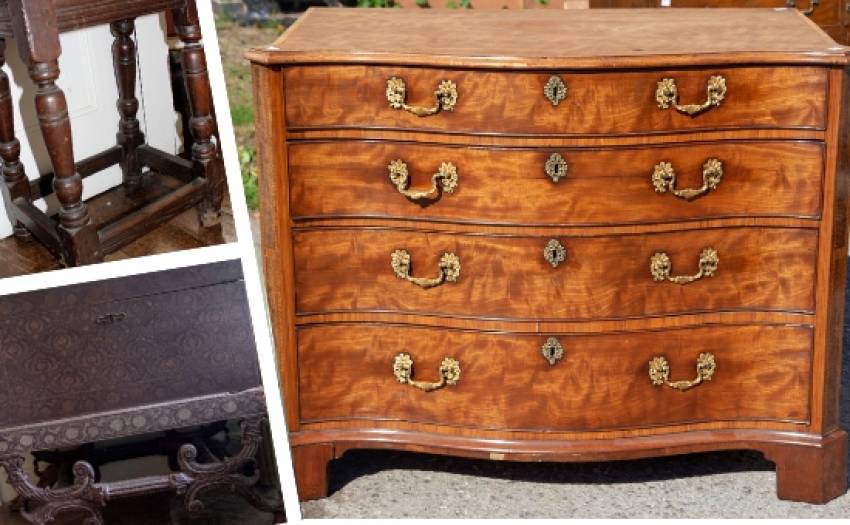
Bishton Hall, a Georgian mansion in Staffordshire, lent itself to an eclectic display of period pieces. The highlight of the sale was Lot 1011, a George III serpentine chest of drawers which sold for £4,800.
Serpentine chests are popular as their shape and form gives them character and charm. This example was no exception. Another highlight was a lot 3005, a pair of 19th Century Anglo-Indian black lacquered chests on stands. These had stood resplendent in the hall for many years really captured the interests of those who wanted to buy a slice of country house interior style.
Visitors were able to browse furniture in situ at Bishton Hall and each room had its own unique ambience.
The drawing room included lot 1086, a fine Queen Anne or later chest on a stand. Though this example was not completely original, it was a good decorative interior design piece which really looked the part in a stately home. Its estimate was £500 to £600 but it sold for £1,100.
The billiard room held some of the larger pieces like credenzas, centre tables, large dining tables and many others. Lot 1112 was a fine 19th Century credenza. This was a fine example and with its fine marquetry decoration and ormolu mounts, bidding was fierce and it sold for £800.
Gracing the large dining room was lot 1081, a fine George III oak and mahogany cross-banded housekeeper’s cupboard, circa 1800. Pieces like this would have stood in the servants’ quarters and used daily by the house keeper. Estimated at £2,000 to £3,000, this particularly large example sold for £3,300.
Upstairs, the Gold Bedroom contained the Oak Collection. Early oak and vernacular furniture is my passion. Among this collection was lot 991, a late 17th Century oak chest with original carving and inlay. This was a particularly strong original example which had not been improved by the Victorians. This quality was identified by bidders who drove the hammer price up to £320, despite a conservative estimate of £100 to £200.
The sale also saw strong results for dresser bases. Lot 1043, a late 17th Century or later oak joined dresser base had an estimate of £1,200 to £1,300 and sold for £1,400, over its upper estimate. A few lots after this was lot 1047, a late 18th Century oak dresser base which reached £950, against an estimate of £600 to £800. In addition, two fine 17th Century joined oak stools fetched £400 and £420 respectively. Despite these relatively high prices, oak furniture still represents value for money and a possible good area of investment.
Lot 1118, a Charles II oak wainscot chair made in 1672, was estimated at a cautious £250 to £350 and sold £300. This is rather cheap for a Wainscot chair from this period and represents a buyers’ market for 17th Century furniture.
Small fine examples of 17th, 18th and 19th Century furniture hold their value and the market is strengthening for high quality, pedigree items but there is still room for further rises in prices.
To arrange a free valuation of furniture, email [email protected] Entries are invited for Hansons’ Christmas Fine Art Auction until November 20.