








Though auctions date back to 500 BC the industry is ahead of the curve in terms of recycling – it sparkles at the heart of everything we do, writes Charles Hanson
For thousands of years auctions have been used to sell unwanted second-hand objects, long before the internet, pre-loved and net zero were a thing.
It’s common sense. People accumulate items over a lifetime. When they no longer need them they turn those items into cash. Meanwhile, the buyer sources the very thing they require at a cheaper price than purchasing new, and nothing has been newly manufactured. It’s the circular economy in motion.
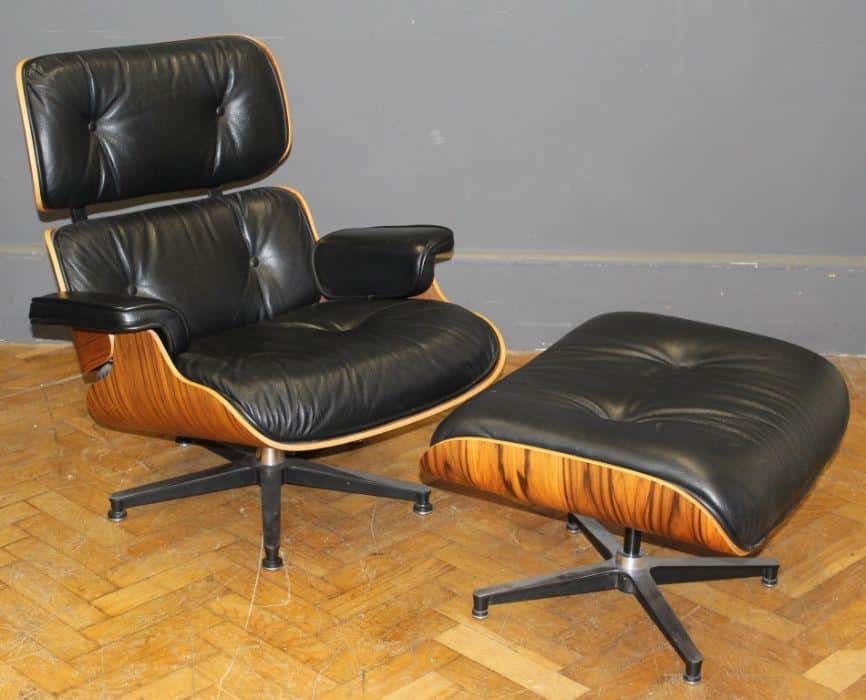
With so many bargains to be had at auction, I used to wonder why more young people didn’t snap up second-hand furniture, kitchenalia and interior items when setting up home. I’m glad to say that’s changing.
In 2020 the number of people under 35 viewing saleroom catalogues grew up 72% and top searches included ‘bookcase’, ‘Ercol’ and ‘sideboard’. Ercol furniture has almost doubled in value in the last two years and demand for 1970s and 80s teak furniture is flourishing.
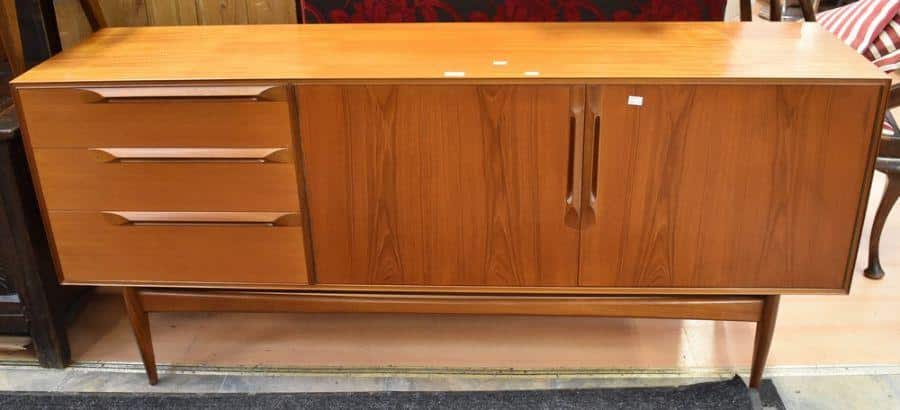
It’s a win-win. You can find fashionable vintage or antique items at affordable prices and help the planet. A second-hand dining table could save an estimated 460kg – nearly half a tonne – of C02 emissions which would be used in the manufacturing process if buying new. In addition, you could save as much as £1,000 in cash.
An Edwardian walnut wardrobe, bought for as little as £30, could save 0.46 tonnes of C02 while a two-seater sofa could save 0.536 tonnes of C02.
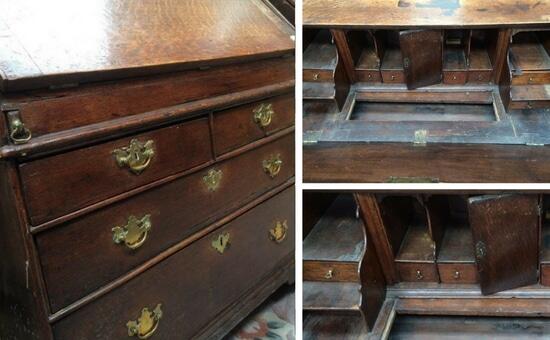
The benefits go further. Antique furniture was built to last by skilled craftsman so you may never need to replace it. This saves even more emissions and eases pressure on landfill. An antique bureau, costing as little as £100, will be around long after flat-pack furniture has been dumped in a skip.
Now, more than ever, people are aware of waste and the negative aspects of our throwaway society. As a result, antiques and collectables are being recognised for their green credentials.
As the world shifts to a more resource-efficient, low carbon economy, the ability to extend product lifespans and maintain value within a circular economy is increasingly important.
One sparkling side effect of this is a growing trend for keen jewellery collectors to buy and source antique and vintage wares at auction. Many like to swap and change gems. If they grow tired of a piece, they sell it at auction and search for something different in our sales catalogues.
It’s a guilt-free way of wearing and sharing objects they love. The same goes for designer goods. Why spend thousands on a new handbag it you can pick up a pre-loved one for a fraction of the price?
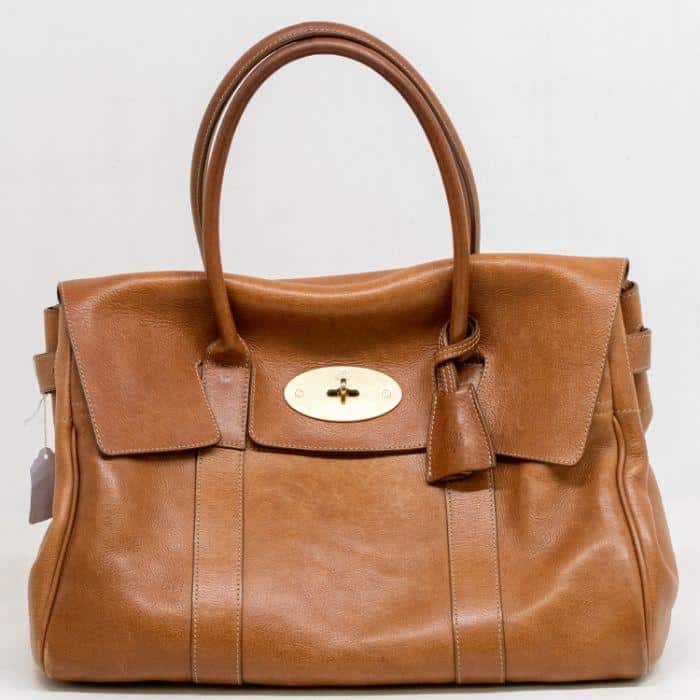
The impact of this trend, together with the desire to invest in tangible objects in difficult economic times, is sparking strong results in many sectors, particularly jewellery.
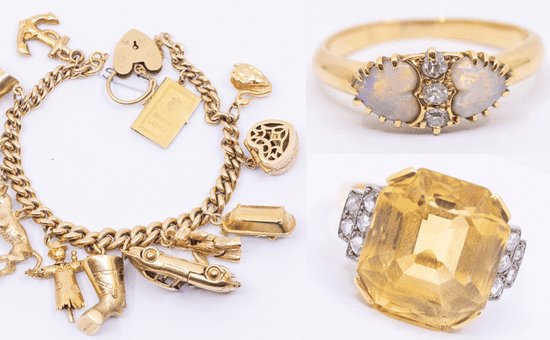
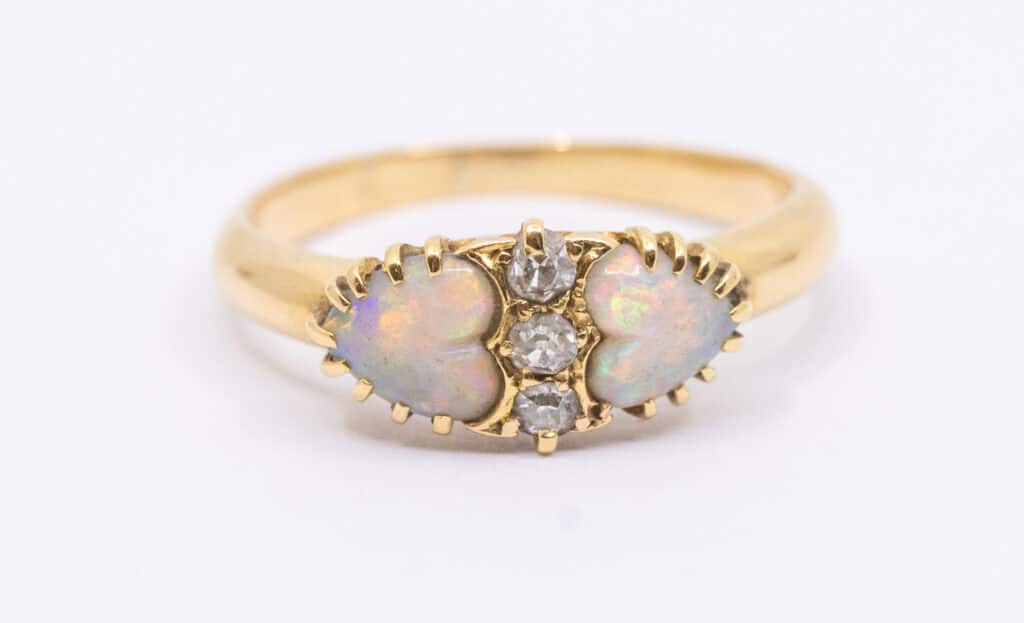
In Hansons’ February Antiques and Collectors’ sale most jewellery lots achieved their estimates and many surpassed them. For example, lot 197, an early 20th century opal and diamond ring, sold for £600, double its £300 estimate.
Then there was lot 222, a ruby and diamond 18ct gold ring which made £200 from a £50-£60 guide. In similar vein lot 223, a diamond and platinum eternity ring, achieved £190 from a £50-£60 estimate.
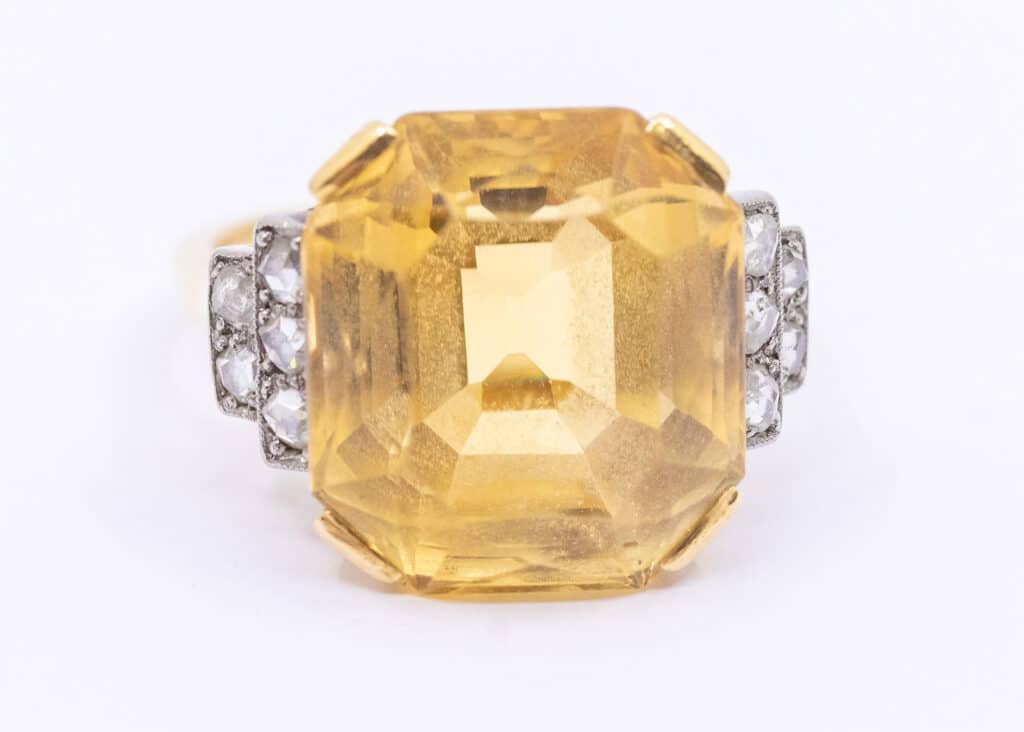
Another star performer was lot 234A, an Art Deco citrine and diamond 18ct gold ring which doubled its £250 top estimate to make £540.
Items which languish in jewellery boxes and drawers, sometimes inherited and left to gather dust for years, can surprise under the hammer.
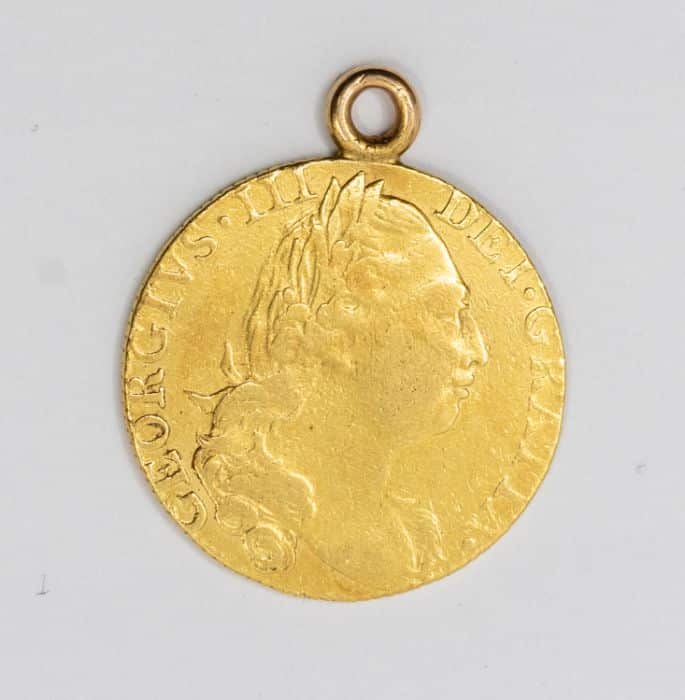
In fact, don’t dismiss any type of gold jewellery, broken or otherwise. Lot 271, a George III 1776 gold guinea, originally used as a pendant, achieved £300.
Another coin once worn as a necklace was lot 275, an Edward VII half sovereign dated 1903 with fancy scroll mount. It made £210.
Gold in all its guises is in demand. Lot 287, a 9ct gold chain, made £500; lot 289, a 9ct gold charm bracelet achieved £1,150; lot 318, 12 pairs of 9ct gold stud earrings, rocketed to £360 and lot 367, a collection of gold jewellery, reached £480.
Even costume jewellery appeals to bidders. Lot 389, a colourful array of beads and brooches including a silver ring, was whisked away by a keen buyer for £50.
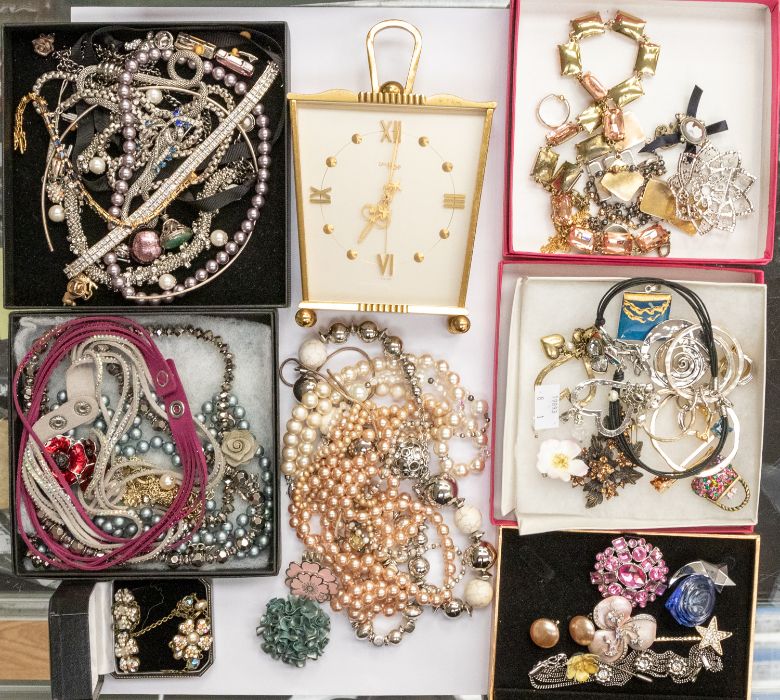
The key thing is never to dismiss anything you have tucked away at home. It could be worth more than you ever imagined and auctions are a great way to unleash potential.
It’s good to know a business model invented more than 2,000 years ago can play such a crucial role in the modern world.
Jewellery, silver and watches are invited until March 9 for Hansons’ March 30-31 Fine Art Auction.
To arrange a free valuation, email Head of Jewellery Helen Smith: [email protected] or call 01283 733988.