







William Morris, a 19th century textile designer, artist and poet, famously said, ‘Have nothing in your houses that you do not know to be useful or believe to be beautiful’, writes Charles Hanson.
I could not agree more and, thanks to my work, I constantly see exquisite objects, particularly in the field of decorative art and design. These sales deliver a rich array of glassware, ceramics, silver and furniture which have stood the test of time. So much so, they are as popular in homes today as they were more than a century ago.
Morris (1834-1896) helped this important design era to flourish. The decades following the 1860s saw an explosion in art and design, an attempt by Morris and his contemporaries to return to the traditional skills and values of centuries past, values believed lost by the industrialisation of the Victorian age.
They did much to achieve this goal. The years leading up to the outbreak of the Second World War saw the production of quality furniture, ceramics, metalware, textiles and glass by legendary designers such as Morris, William de Morgan, Christopher Dresser, Ernest Gimson and Sydney Barnsley, C R Ashbee, C F A Voysey, Charles Rennie Mackintosh and Archibald Knox to name but a few.
Handmade furniture by makers such as Peter Waals, Arthur Romney Green, Stanley Webb Davies, Gordon Russell and Arthur Simpson command strong prices at auction, as do pieces made for the famous London stores of Heals and Liberty.
One man who aided Liberty’s reputation was Archibald Knox (1864-1933). He was Liberty’s primary designer at the height of the firm’s influence upon UK and International design. His pioneering work bridged the Arts and Crafts Movement, Celtic Revival, Art Nouveau and Modernism.
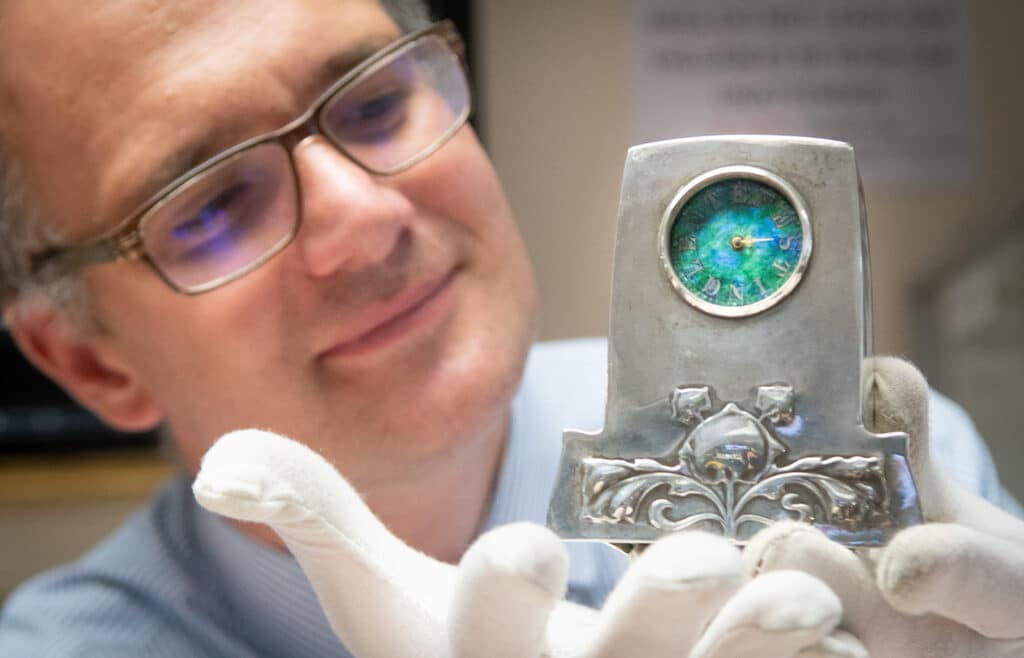
Occasionally we sell Archibald Knox silver Liberty clocks – stunning examples of craftsmanship. One example made in 1904 appears relatively modern and yet it was made 120 years ago. It sold for £4,000.
Ceramics and glass created during this period are equally sought after. Prices for important pieces by such names as Clarice Cliff, Daisy Makeig-Jones, the Martin Brothers, Keith Murray, Whitefriars, William Moorcroft and the Ruskin Pottery are strong.
The key aspect of Decorative Arts objects is that they boast both beauty and functionality. An example would be an opalescent Odines Lalique plate decorated with ladies in repose. Found at a free valuation event in Derbyshire. It sold for £1,200.

René Jules Lalique (1860 to 1945) was a French glass designer known for his glass art, perfume bottles, vases, jewellery, chandeliers and clocks. His objects are displayed in museums around the world including the Museu Calouste Gulbenkian in Lisbon and the Victoria and Albert Museum in London.
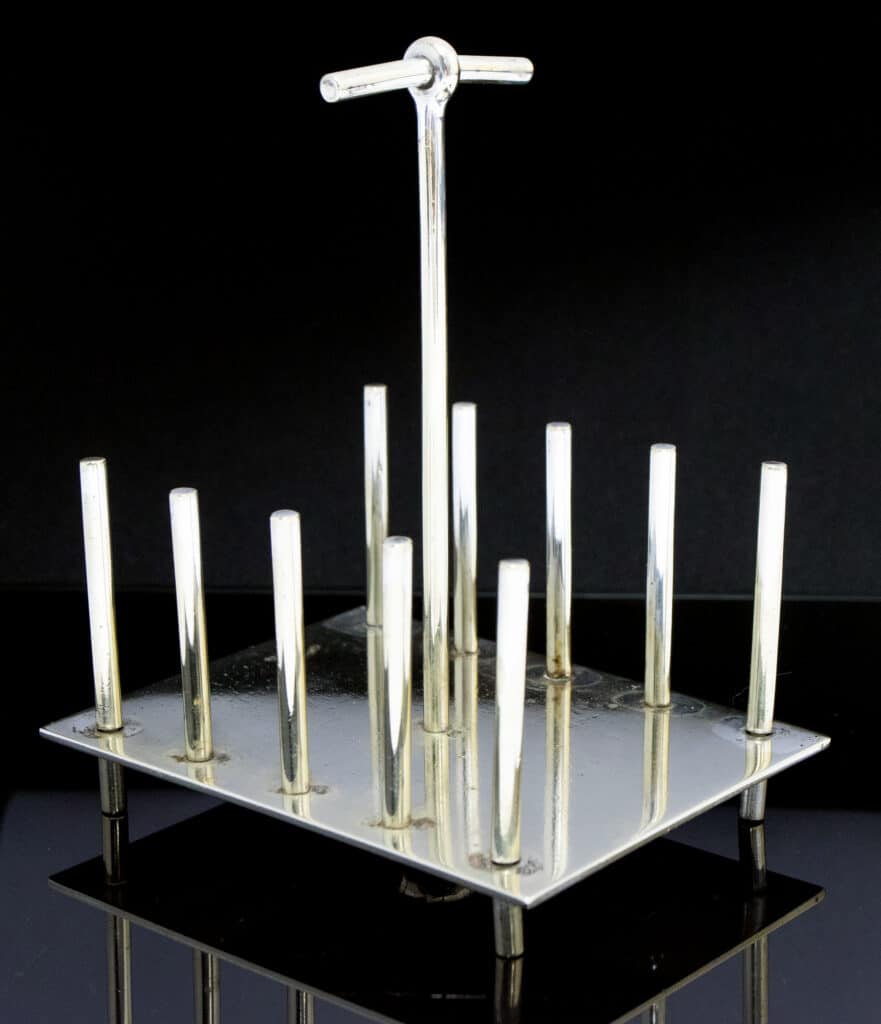
Christopher Dresser (1834-1904) provides another example of period excellence in the shape of a humble toast rack. It was bought for a snip by Leicestershire newlyweds in the 1930s at a house contents sale. Around 80 years later it sold for £2,000 – 10 times its £200 estimate. First designed for Hukin and Heath in 1878, it was a design classic.
Glasgow-born Dresser was a pioneer of industrial design based on form and function rather than decoration. His designs were ahead of their time and appear modern today. They appealed to the forward-thinking Bohemian elite of Victorian Britain.
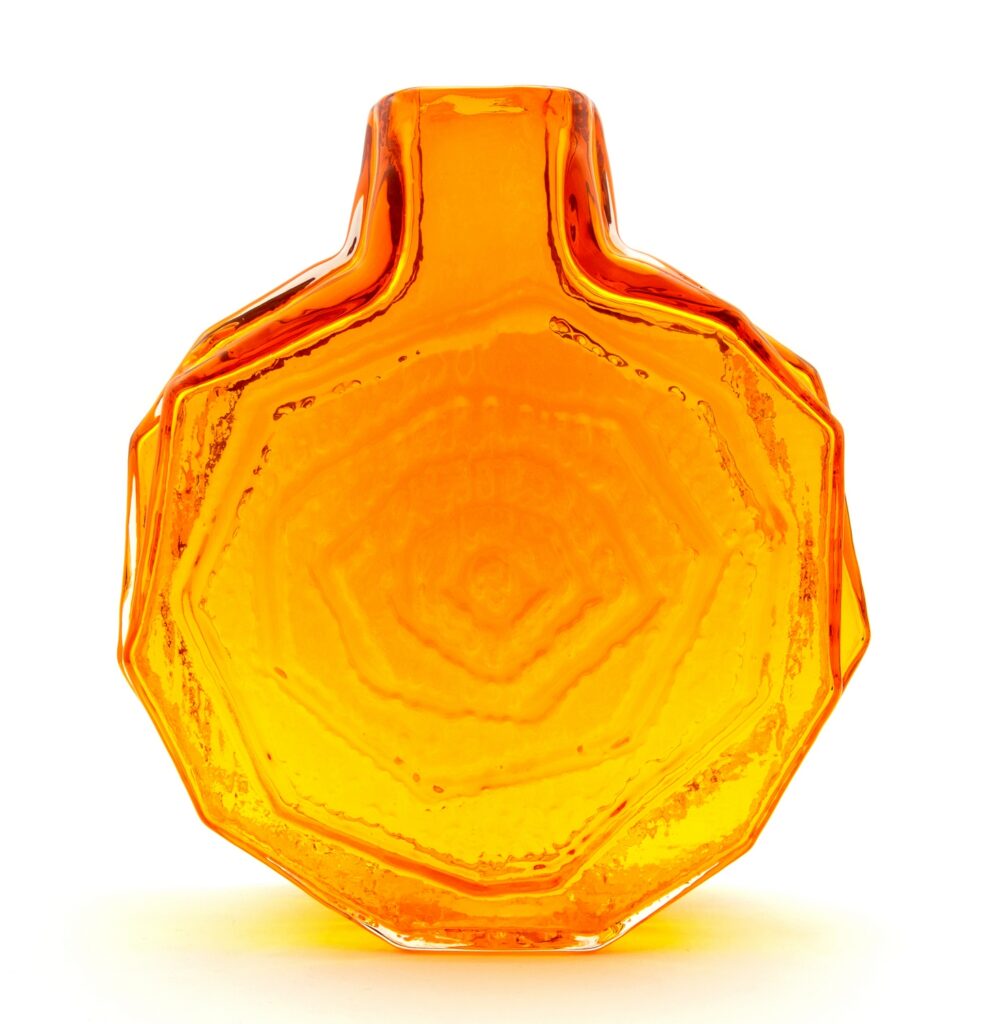
The Victorians’ passion for decorative arts has passed through the generations. It’s certainly alive and well with Barry Jones who leads Decorative Arts sales at Hansons’ Derbyshire HQ.
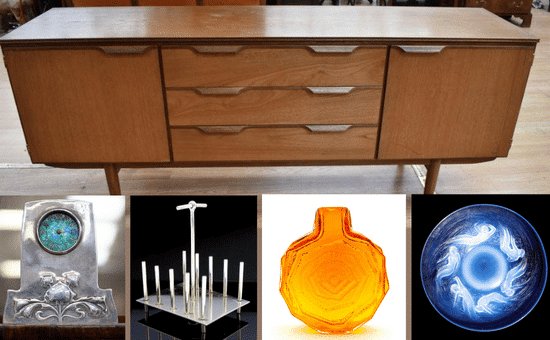
But this specialist area moves with the times – and it’s eclectic. Currently, 1960s and 70s teak furniture is in demand, especially sideboards. Teak furniture was prolific in homes 50 or 60 years go but, perhaps because it was so commonplace at the time, it was reviled for decades.
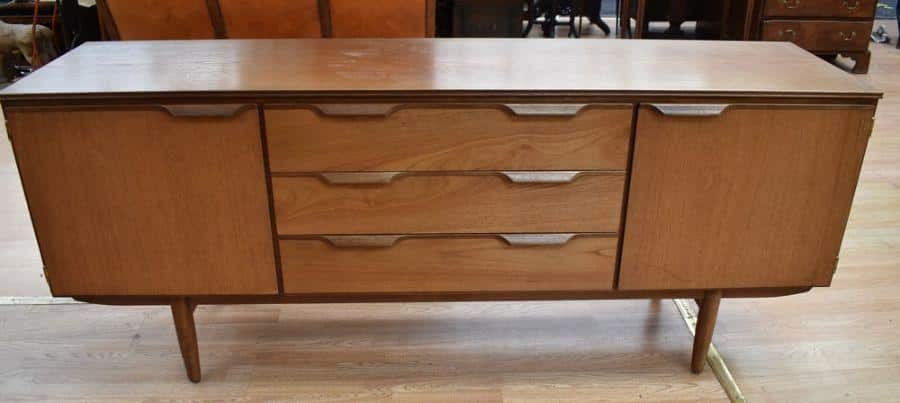
However, new generations have come along with fresh eyes and an appreciation for retro wares. Consequently teak has gained a cool vibe, and in doing so it has earned its place in 20th century design sales.
Names like Ercol are adored but do people realise this quintessentially English brand dates from the 1920s and originates from an Italian designer based in High Wycombe, one Lucian Ercolani? Other less well-known brands worthy of note include Gordon Russell, Parker Knoll, Eames, McIntosh, Stag and Beautility.
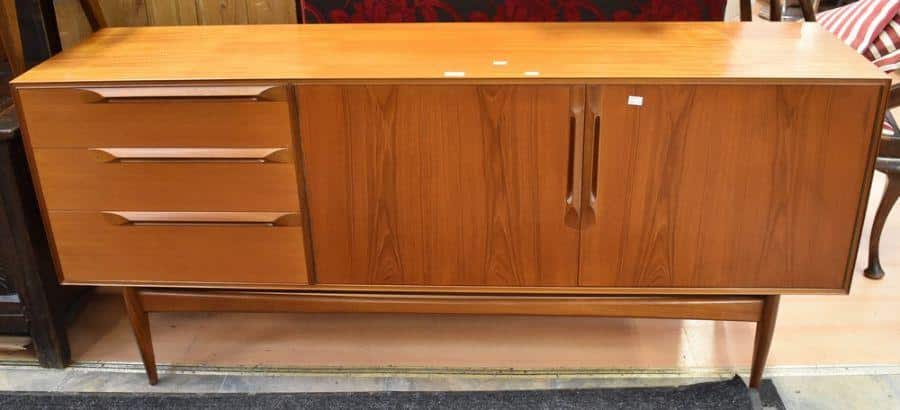
Whatever the maker, teak is key and we regularly see furniture made from this wood smash estimates. In January a 1970s teak sideboard sold for £170 from an estimate of £60-£80 and that’s not unusual. In addition, a 1970s teak McIntosh sideboard made £280 and a 1970s glass-topped G-Plan teak coffee table achieved £55.
And don’t be at all surprised to discover these vintage remarketed in trendy retro stores – preened, polished and ready to woo trendy young buyers.
Entries invited
Entries, including teak, Ercol and 20th century furniture, are invited for Hansons’ March 24 Decorative Arts Auction.
To book a free valuation of any type, email [email protected] or call 01283 733988.