








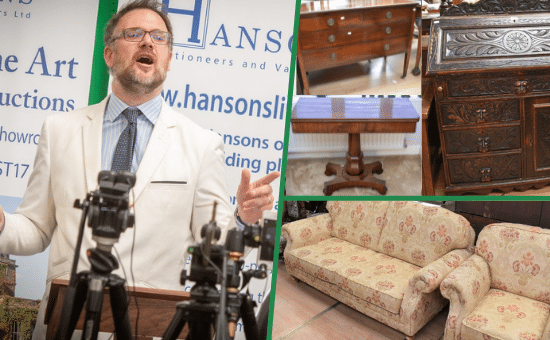
With a cost-of-living crisis looming large and concerns about waste and saving the plant dominating debate one thing shines bright – recycling is at the very heart of auction houses and always has been, writes Charles Hanson
For thousands of years auctions have been used to sell unwanted second-hand objects, long before the internet and catchy terms like pre-loved were ever a thing.
It’s common sense. People accumulate items over a lifetime which, eventually, they no longer need. They can turn those unwanted items into cash. Meanwhile, the buyer sources the very thing they need, usually at a much cheaper price than purchasing new, while reducing their carbon footprint.

I have always been deeply aware of this and used to wonder why more young people didn’t flock to auction rooms to snap up bargain second-hand furniture, kitchenalia and interior items when they were setting up home. But I’m glad to say that’s all changing. Antiques and collectables are now being recognised for their green credentials.
For the first time ever on April 23 I will be giving a talk on this topic at a Sustainability and Vegan Festival at Bishton Hall in Staffordshire. I hope it will be the first of many.
Today, thanks to Instagram images and a flurry of TV shows that demonstrate how old items can be transformed, repurposed or reinvented, more people are discovering the sustainability benefits of buying at auction.

Throughout lockdown, auction sales soared and that growth has continued enhanced by a new generation of buyers. Long periods of time stuck at home due to Covid restrictions led many to discover online auction catalogues.
In 2020 the number of people under 35 viewing saleroom catalogues grew up 72% and top searches included ‘bookcase’, ‘Ercol’ and ‘sideboard’. Ercol furniture has almost doubled in value in the last two years and demand for 1970s and 80s teak furniture is flourishing.
Now, more than ever, people are aware of waste and the negative aspects of our throwaway society. Not only can they save money and find unique, desirable items, they can do their bit to help save the planet.
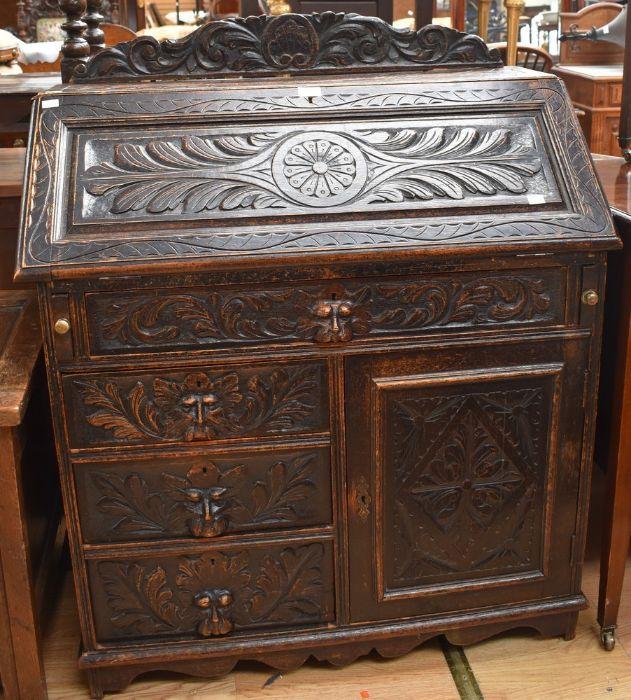
Buying at auction is an ethical way to furnish your home and be green. For example, if you choose to buy a second-hand dining table you could save an estimated 460kg – nearly half a tonne – of C02 emissions which would be used in the manufacturing process if buying new. In addition, you could save as much as £1,000 in hard cash.
An Edwardian walnut wardrobe, bought for as little as £30, could save 0.46 tonnes of C02 while a two-seater sofa could save 0.536 tonnes of C02. In our March furniture sales, a contemporary two-seater sofa and matching armchair made a hammer price of £50 – a bidder’s bargain as well.
Given that the average UK person’s annual carbon footprint is about 13 tonnes, saving half a tonne on one purchase is a significant way to reduce personal carbon emissions.
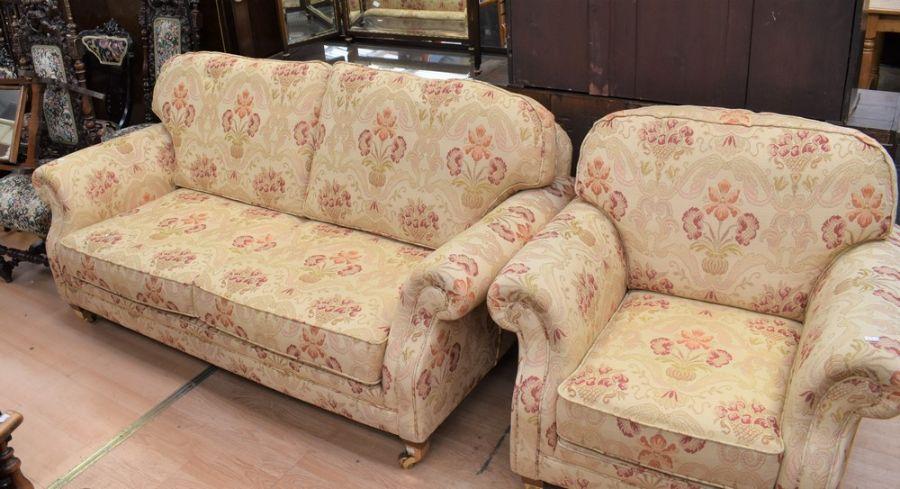
But the benefits go further. If you buy antique furniture built to last by skilled craftsman you may never need to replace it. This saves even more emissions and eases pressure on over-burdened landfill sites. An antique bureau, costing as little as £100, will be around long after flat-pack furniture has been dumped in a skip.
Brown antique furniture prices have dipped over the years as modern homes often favour Ikea modernity over Victorian bureaus or chests of drawers. But many people have discovered the joy of upcycling and second-hand finds can be transformed into funky works of art.
Auctions also provide a way to source quality second-hand jewellery, designer watches and accessories – another area which has seen huge growth. Again, younger generations are driving this trend as they feel it is a more ethical way to buy and sell.
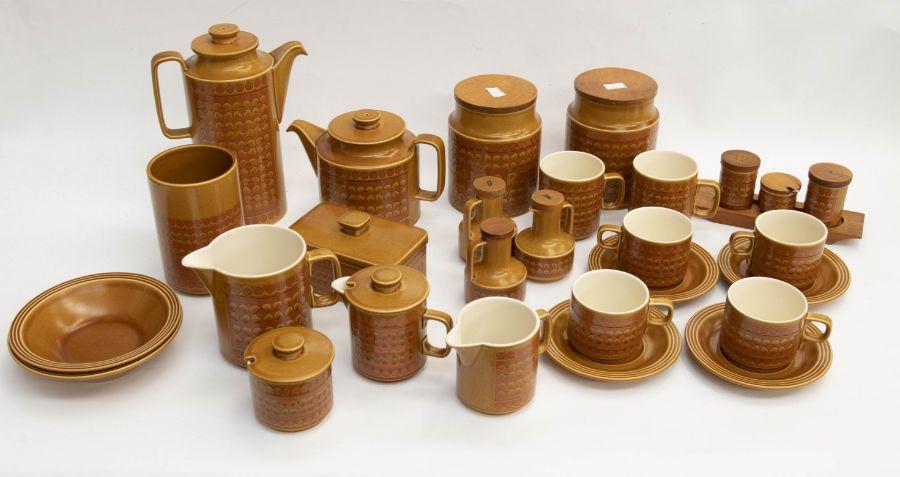
If you want to make your money to go further auctions really are ideal. Bargain buys in Hansons’ March Antiques and Collectors sale included a late 19th Century carved Continental bureau, £70; a reproduction Victoria-style mahogany tea table, display cabinet and torchere, £100; a Victorian mahogany card/tea table, £70; an Edwardian three-drawer chest, Edwardian occasional table and mid-20th Century nest of tables, £15; a collection of Hornsea Pottery/Saffron crockery including cups, mugs, saucers, plates, bowls, tea and coffee pots and jars, £30, and a Victorian brass Gothic Revival alter stand converted to a lamp, £65.
Everything you could ever need for a home crop up in auction catalogues. It’s good to know a business model invented more than 2,000 years ago can play such a crucial role in today’s modern world.
Hansons invites all types of antiques and collectables for its monthly sales. It also offers house clearance and downsizing services. To find out more, or to book a free valuation, email [email protected] or call 01283 733988.